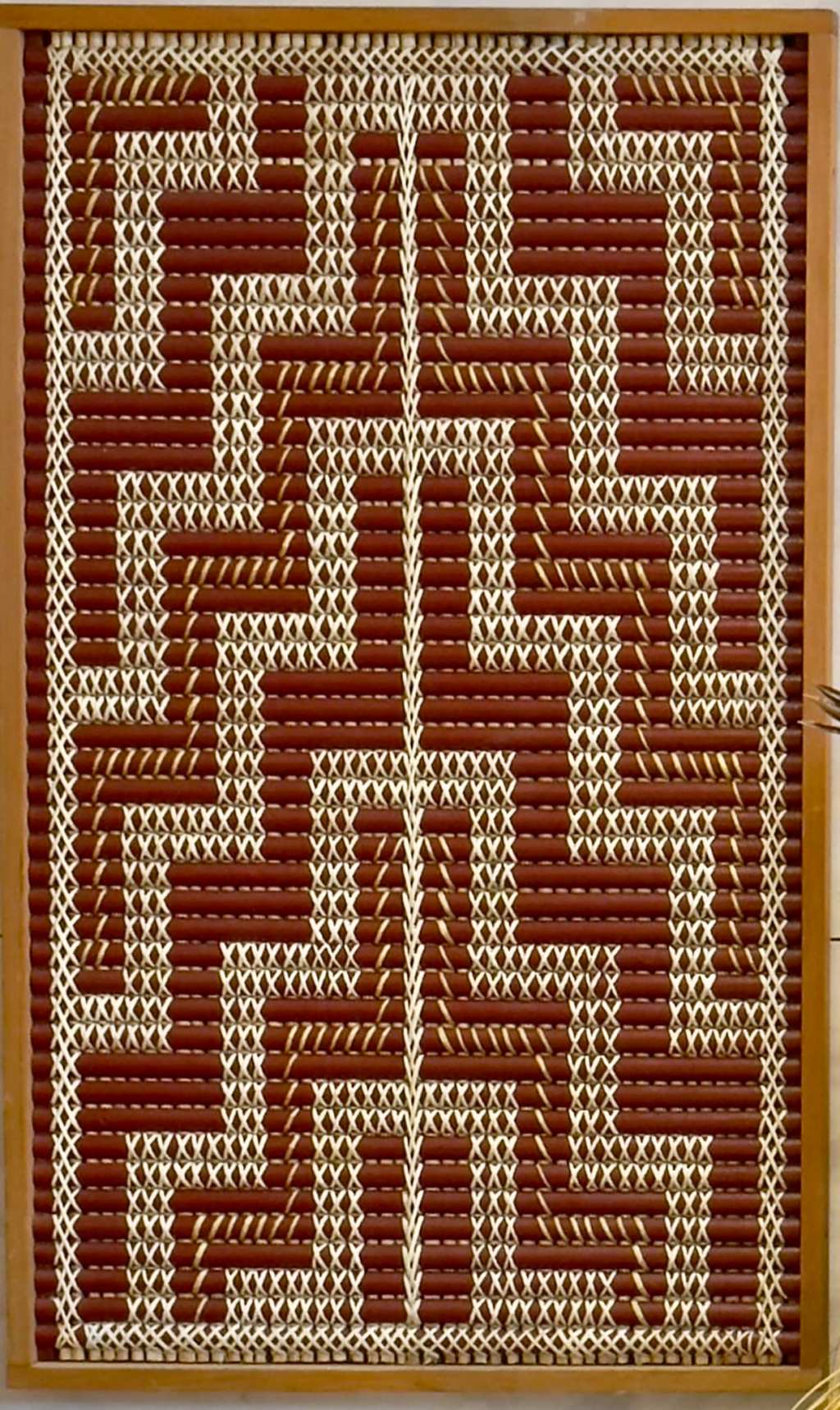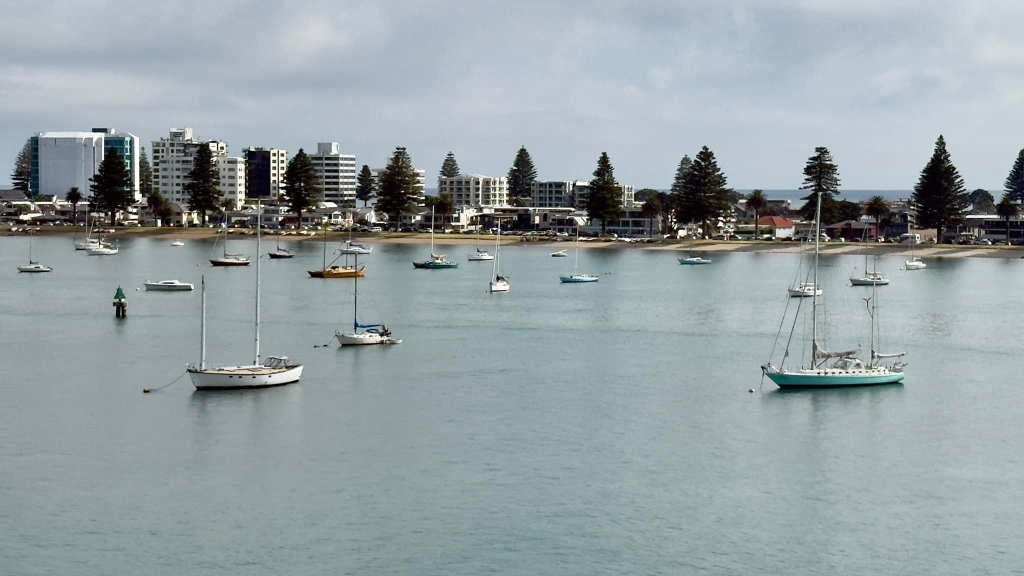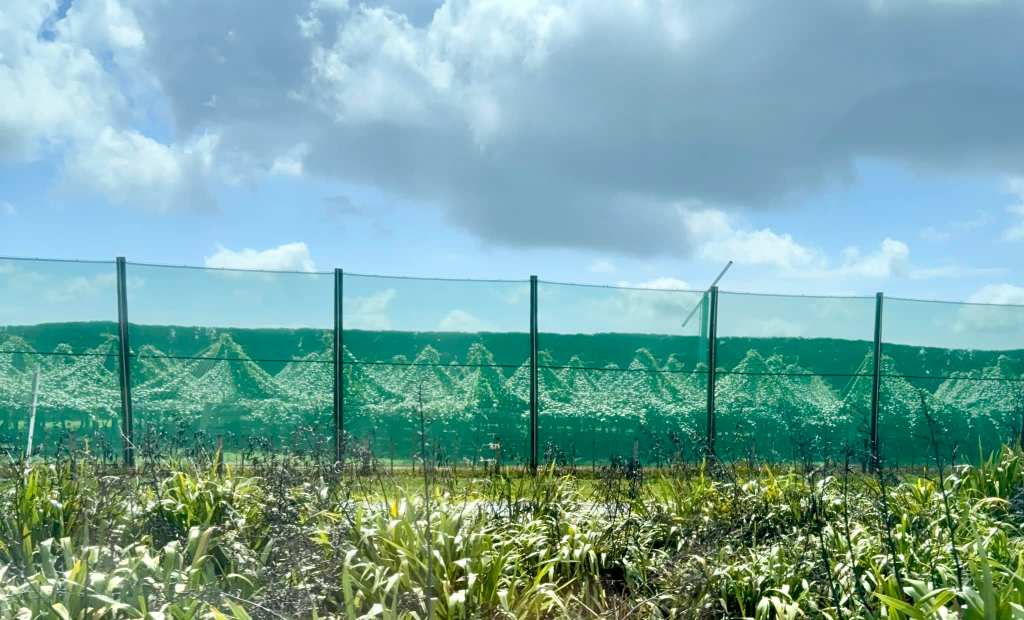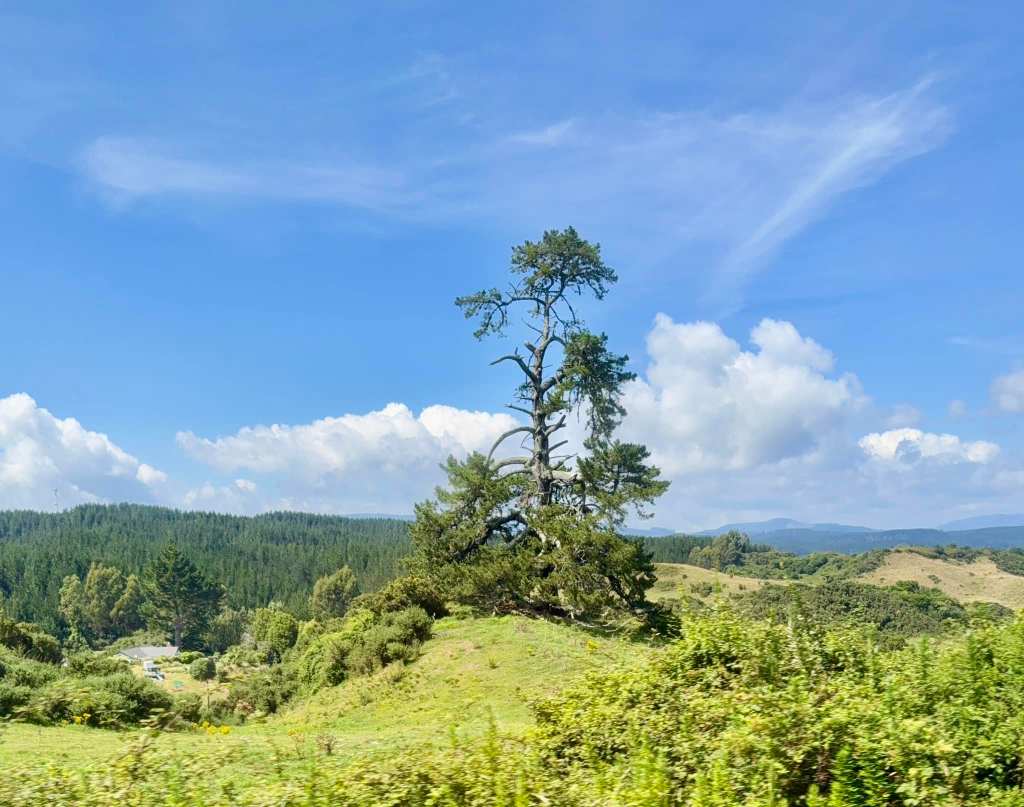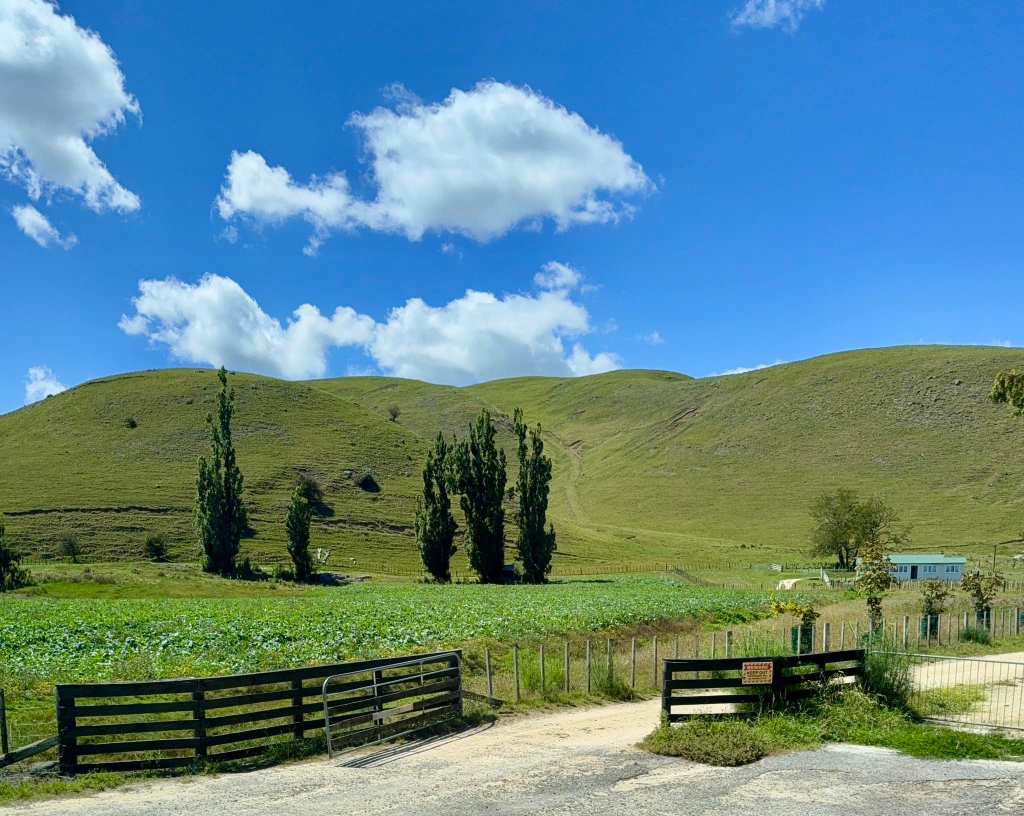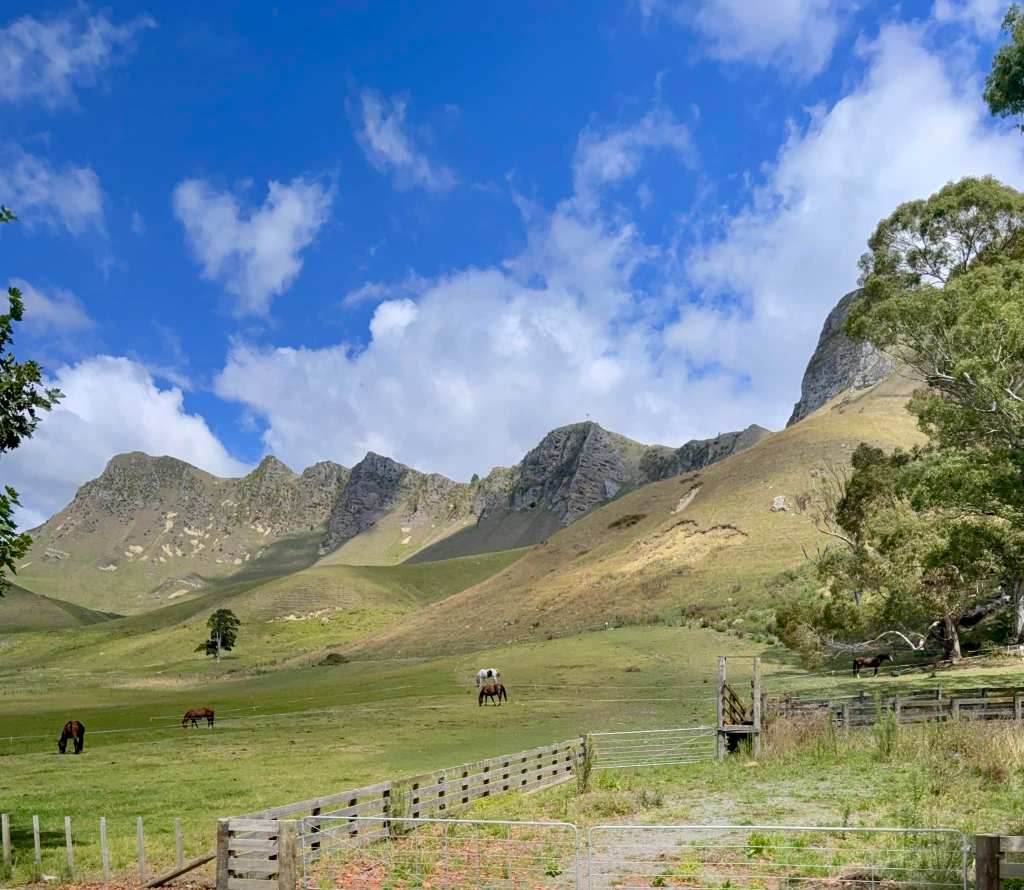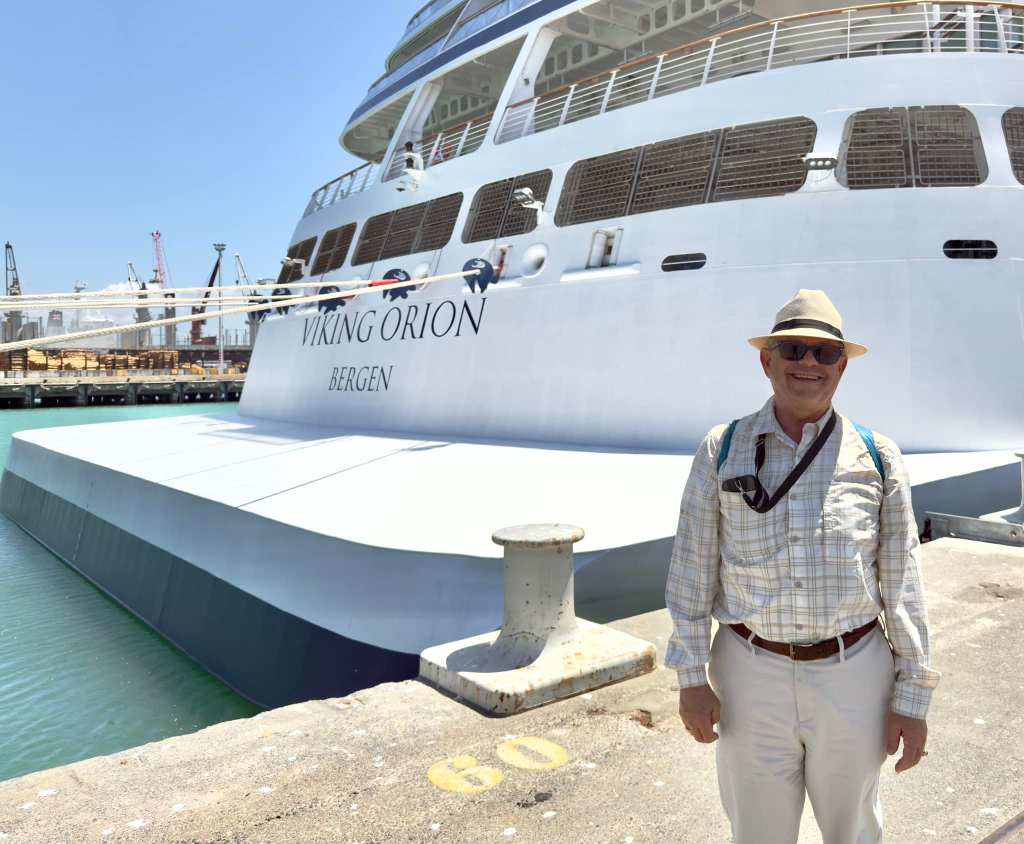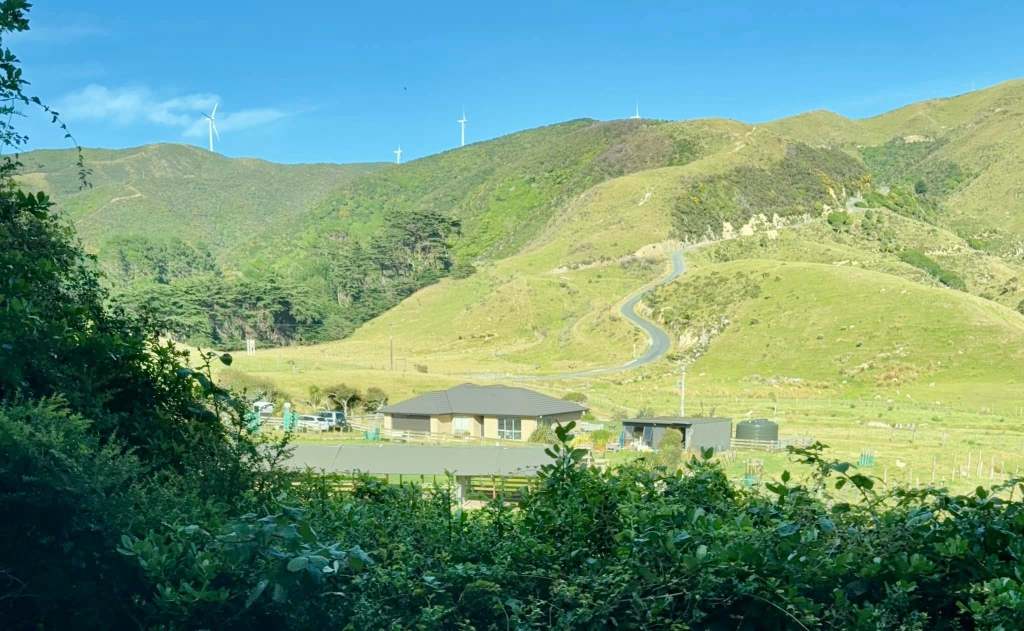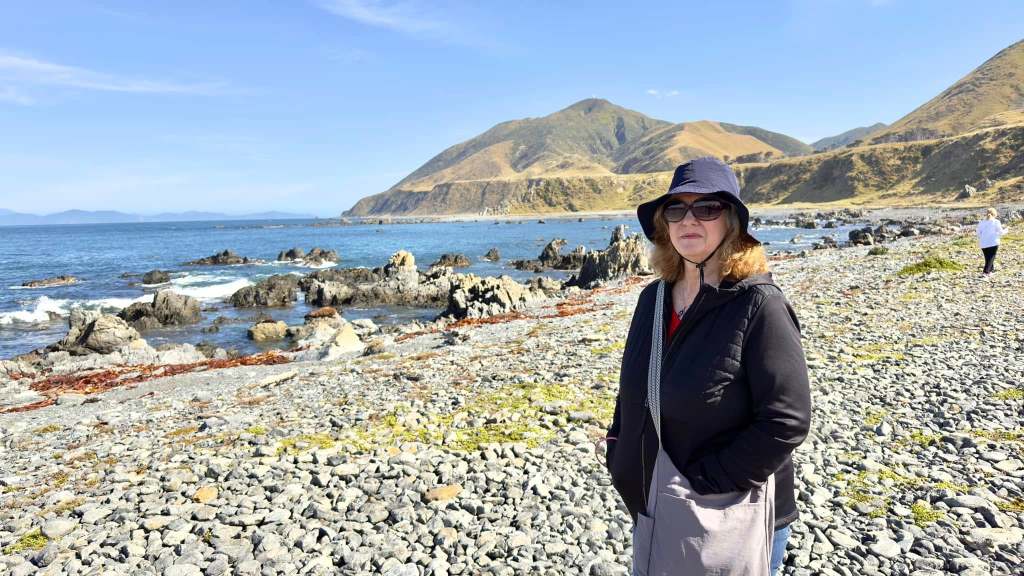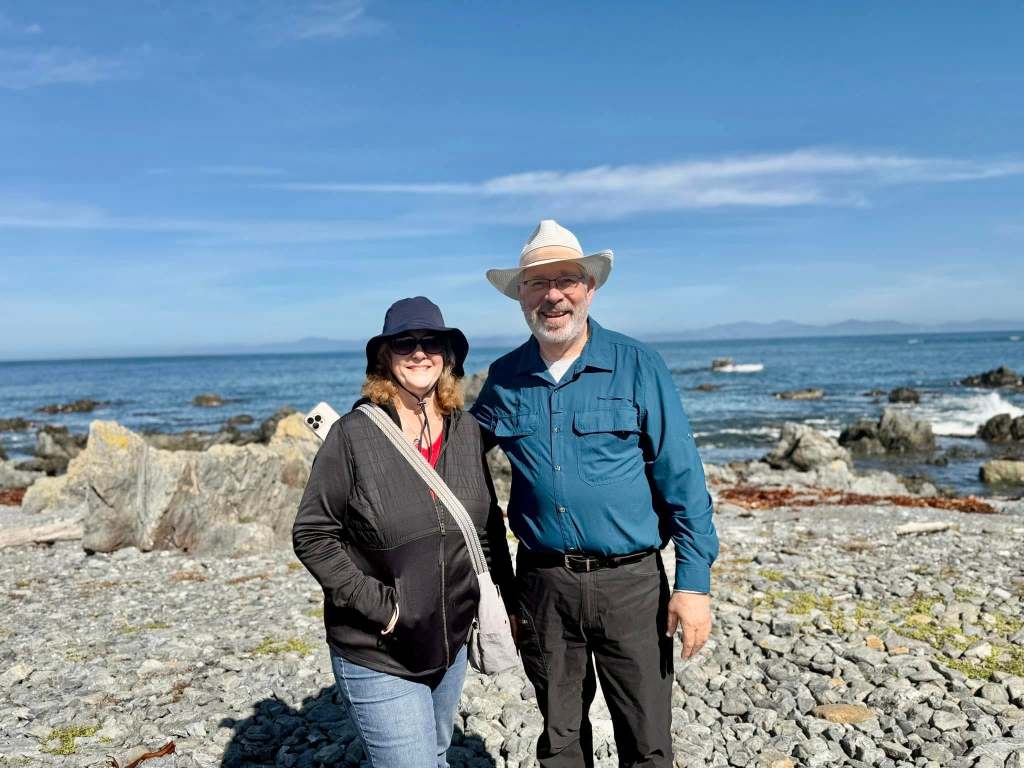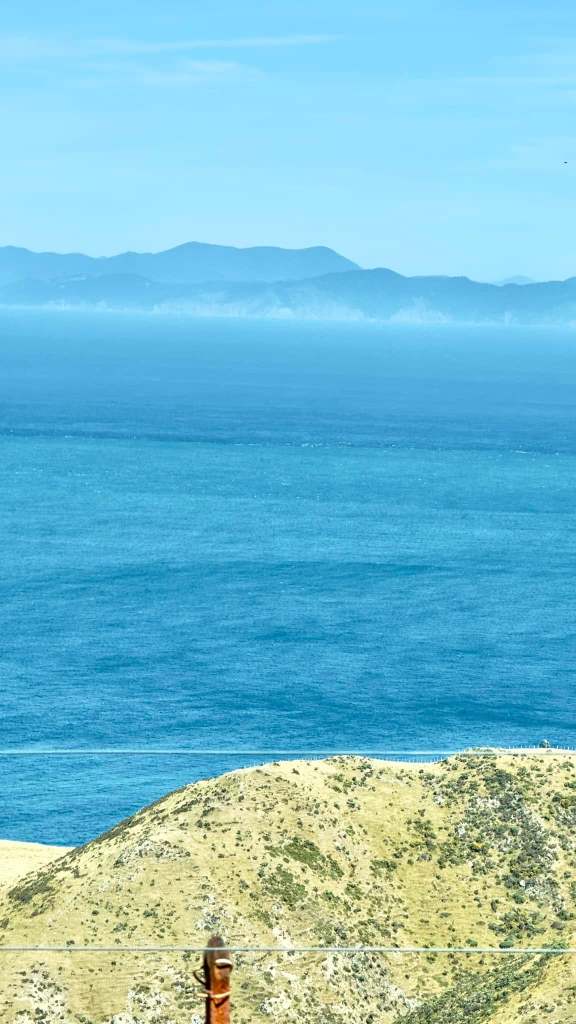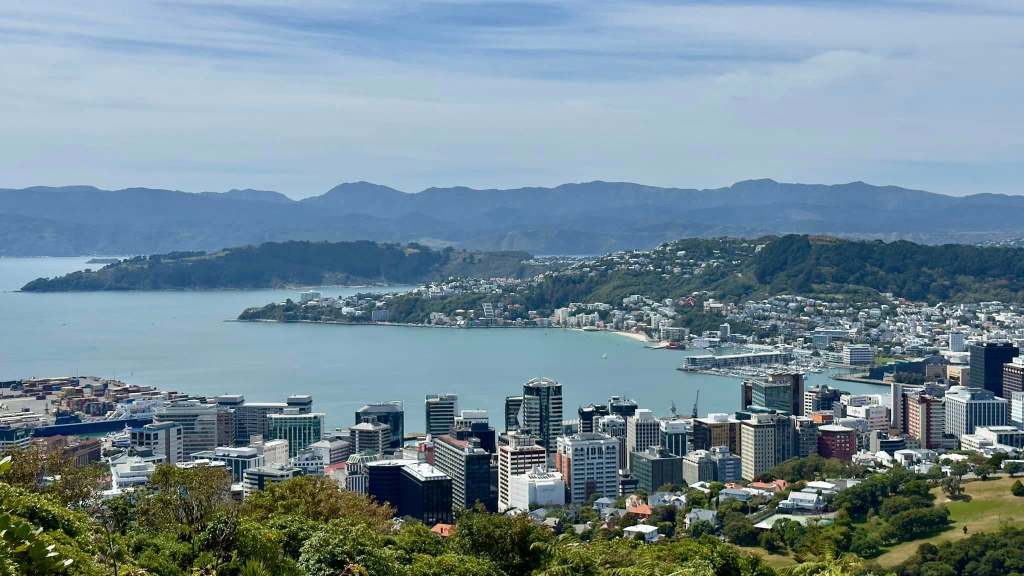
• Day 26. February 8, 2025 Lake Taupo and Taranaki Falls

    I have an idea. Let’s get in a coach and drive an hour and a half around the shore of Lake Taupo, the largest lake in New Zealand at 238 square miles. Not all that big, but they are pretty proud. Then we drive to the base of a volcano Waikato and then walk up the trail to see Taranaki Falls. Then we can walk down to get a good look at the falls and then back up and up to get back to the coach. What do you say to that plan? Sounds great! Let’s go!

    Well, it was great. The drive was lovely and the stories of the mountains were fascinating. I was going to upload the story about the mountains that our guide Christian told us that I recorded on voice memo but can’t figure out how to do that. Maybe later I can. It is a fun story about mountains falling in love and fighting for the girl mountain.

    The lake I mentioned is in fact a caldera that is the second largest in the world, topped only by the Yellowstone caldera.

    About 50 of us senior citizens made the same decision to take this hike and they divide us into groups of about 10 and sent us with the guides. I got into a group that was designated as a leisure group. I originally thought I was going to be held back by the slow walkers but soon I was glad for the leisurely pace.

    Our guide, Tanya, really was great. We learned a lot about the volcanos and geology and the flora on the New Zealand mountains.

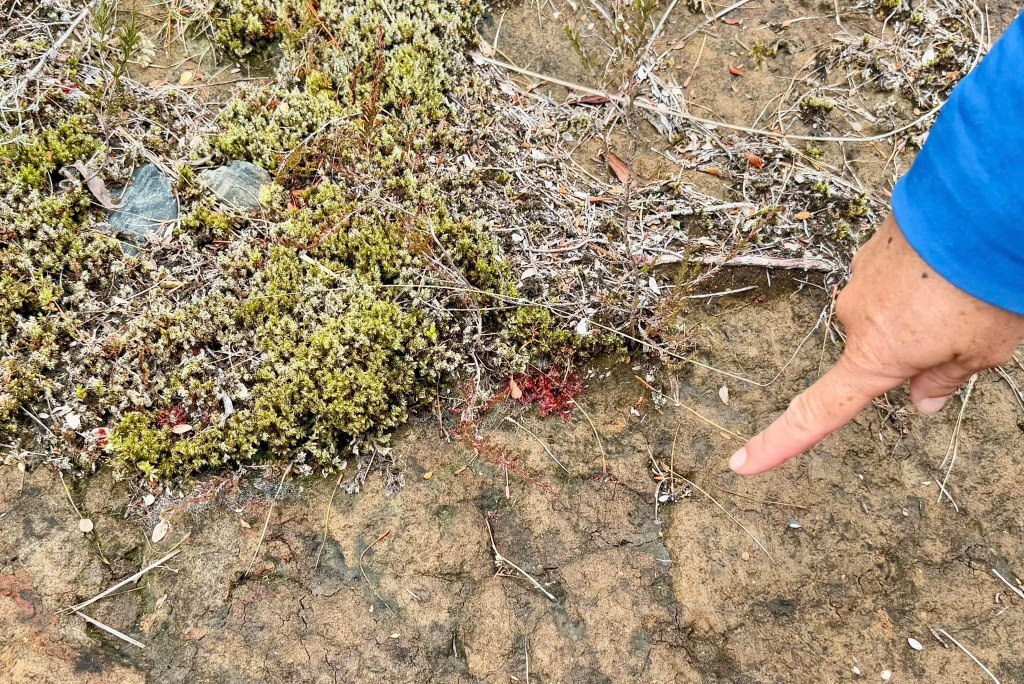
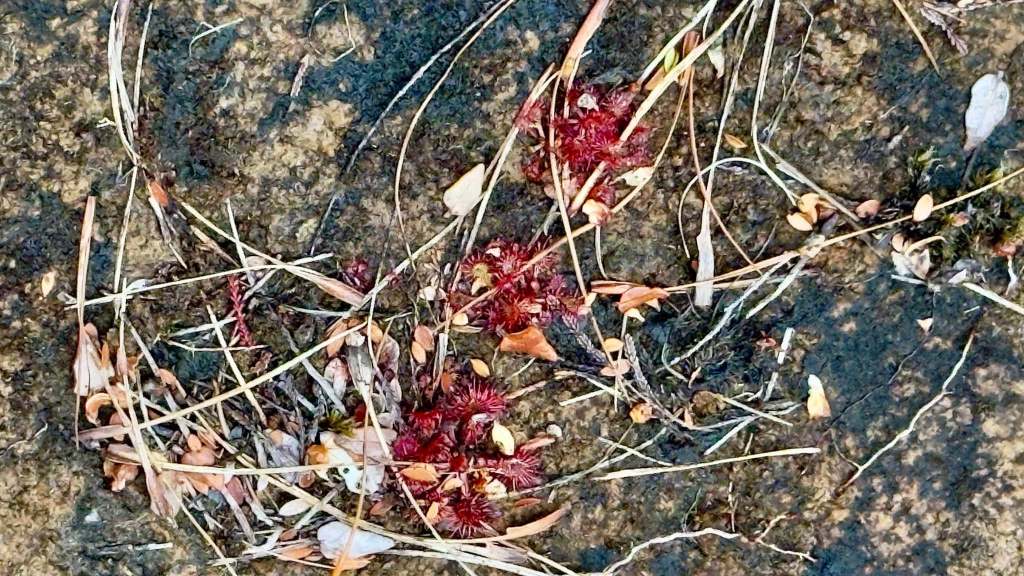
    One of the tiniest little plants in New Zealand is the Sundew. It is a reddish little thing that gives off a sweet smell that attracts insects. The tiny flowers are covered by sticky even tinier hairs. When an insect lands on the Sundew it soon learns of the carnivorous nature of this plant and it is eaten alive!!! (Cue ominous music.)

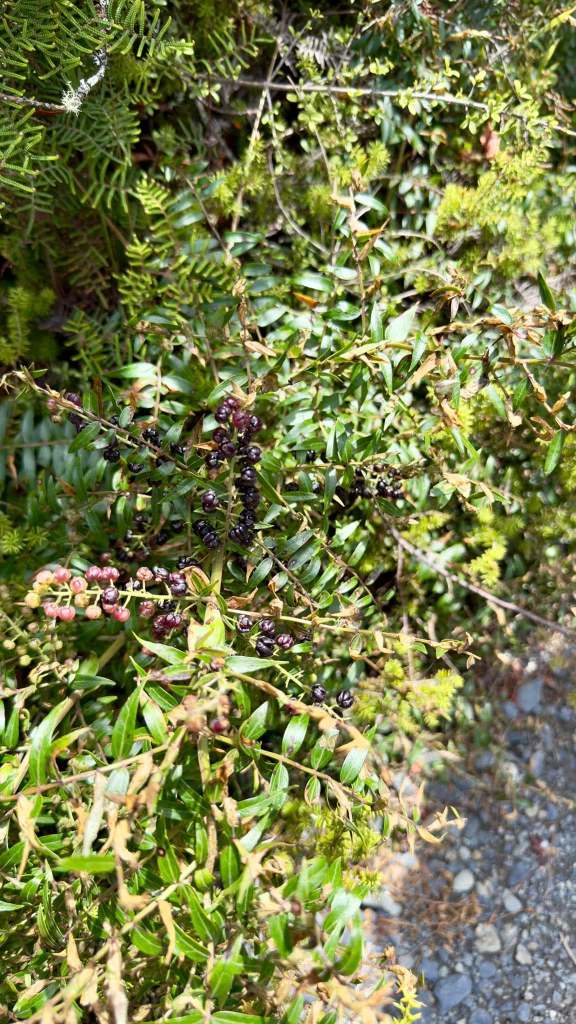
    Then there is the plant that has lovely little red berries. The plant is the tutu plant perhaps because the seeds in the berries are too too poisonous to go near. The story is told of a traveling circus leaving their elephant near a patch of tutu. The elephant died. Humans be warned.

    The Māori people developed a way to extract the juice from the berries and leave the seeds behind. This was not a 100 percent effective process and sometimes a person would be poisoned. The poison would cause massive convulsions that could cause the person to break most of their bones. Then if the poison did not kill them the broken bones would. Their solution was to dig a huge hole in the ground next to where they were going to consume the tutu juice. If someone started reacting they would put them in the hole and bury them up to the neck so they could not move. If the lived they would dig them out and there would be no broken bones. If the poison killed them? It was pretty easy to finish the burial.

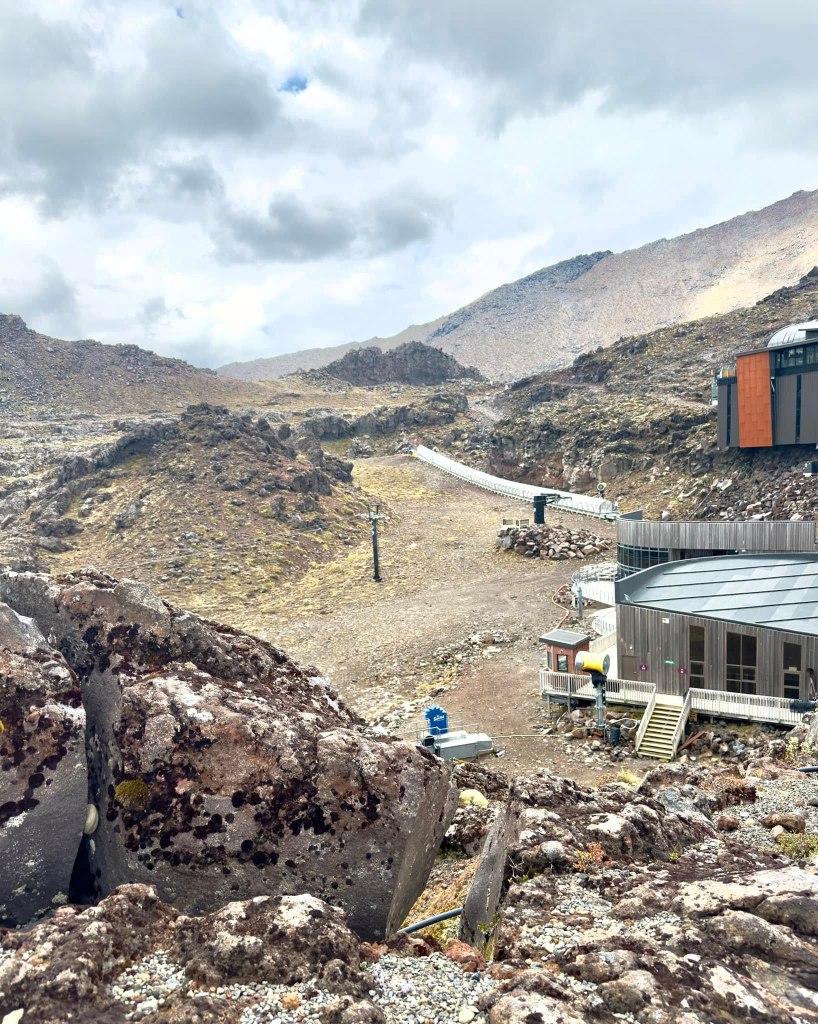
    The track (aka trail) was a very well maintained path that encouraged people to stay out of the delicate flora and yet we could enjoy them from a close proximity. The track spent some time in the treeless bushes and then you would walk into a primeval forest. This national park has 3 active volcanoes: Tongariro, Ngauruhoe (Mount Doom in “The Lord of the Rings” films) and Ruapehu with its ski slopes. Ski slopes you say? Now if you are thinking about ski slopes in the USA where you can go in the summer and see big meadows between the trees. That is not here. Even if you are thinking about the slopes of Sun Valley Idaho where much of the ski slope is above the tree line and the meadow are much bigger. That is not here either. The Whakapapa ski area is located on a volcano in a lava strewn field of giant boulders. I couldn’t imagine how you could get enough snow to make the ski surface even sorta boulder free. The key to solving this is they have snow making machines that put down about 6 meters of manufactured snow (almost 20 feet of snow) and then they pray for real snow.

    Speaking of lord of the rings. The national park is also the location of Tawhai Falls which was the place where Gollum’s pool was filmed. I was kinda sad that we did not walk the extra hour and a half to get there.

    We had dinner this evening at our hotel. Viking arranged a buffet. We sat at at table with eight people we have been getting to know. Two of the ladies are sisters from Milwaukee. They are four years apart in age. They were telling stories that had us all in stitches. Marsha is the baby sister. They are in separate rooms. Marsha called Linda to ask if she could use her shower because there was only a tub in her bathroom. Linda said she could use hers just bring a robe and come over. Marsha called back a few minutes later and said “never mind, I found it. It was behind the door. “

    The day was delightful, even if I did have to walk 5.8 miles uphill both ways to discover this delight. 😉. The evening dinner was even more delightful.
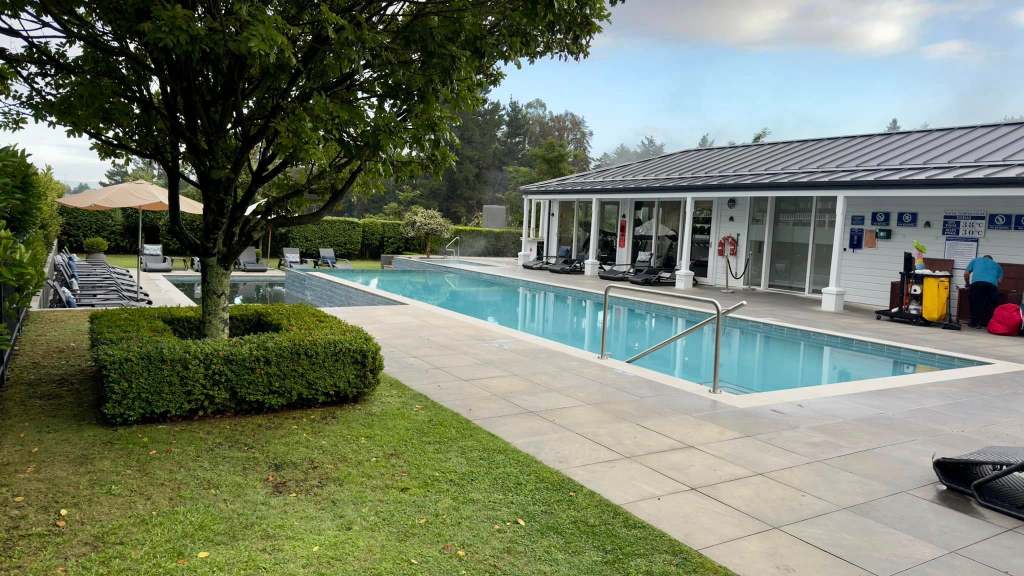
    Our hotel pool that we did not use
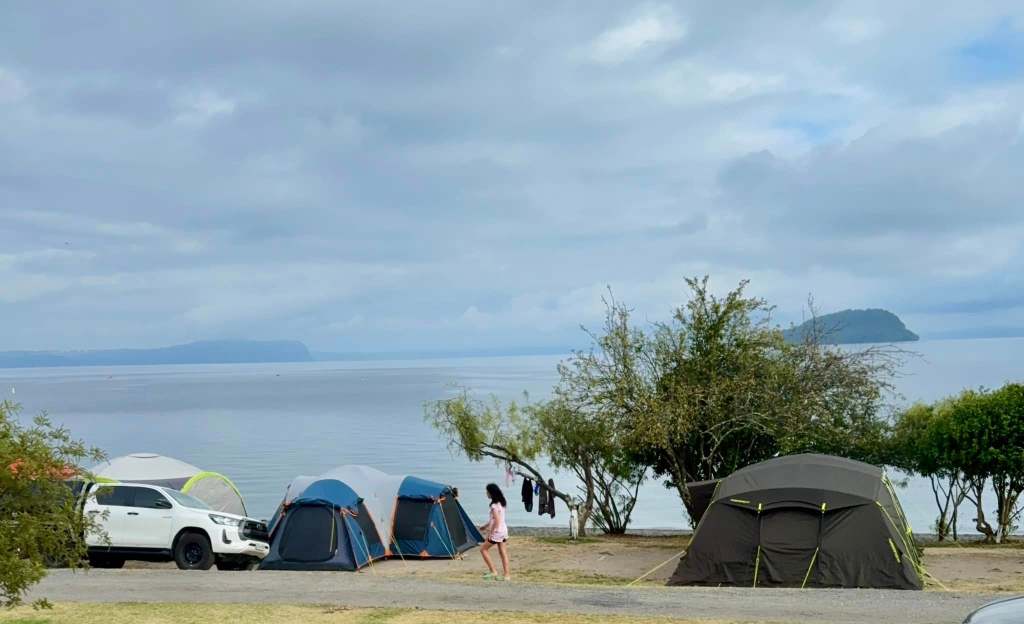
    The story was that people in New Zealand love to camp and they generally camp in the same camp sight two or three times a year for years on end. They camp next to the same people year after year. So they develop lifelong friendships with people that they camp next to for a week or so once a year. Thursday was a national holiday so many took Friday vacation and this was a four day camping trip.
    This is a picture of the ski field in winter ( June to September)
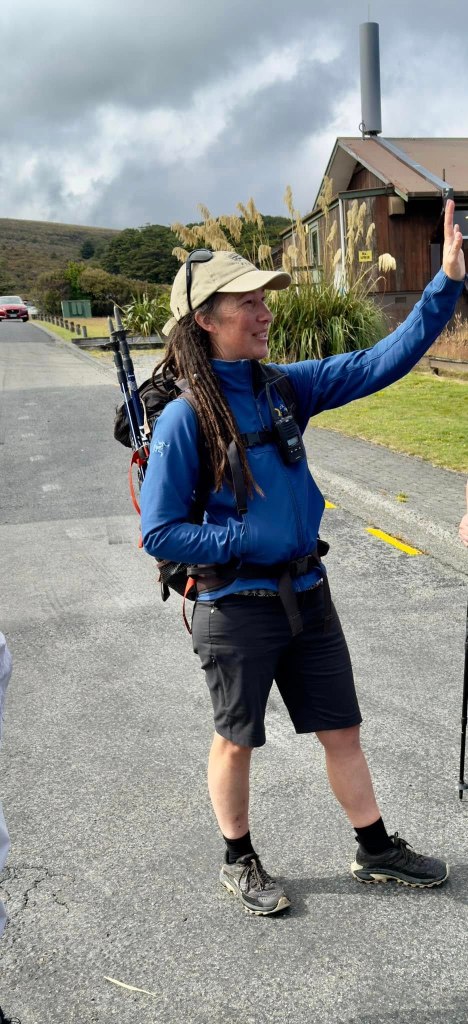
    Tanya our guide on our walk.
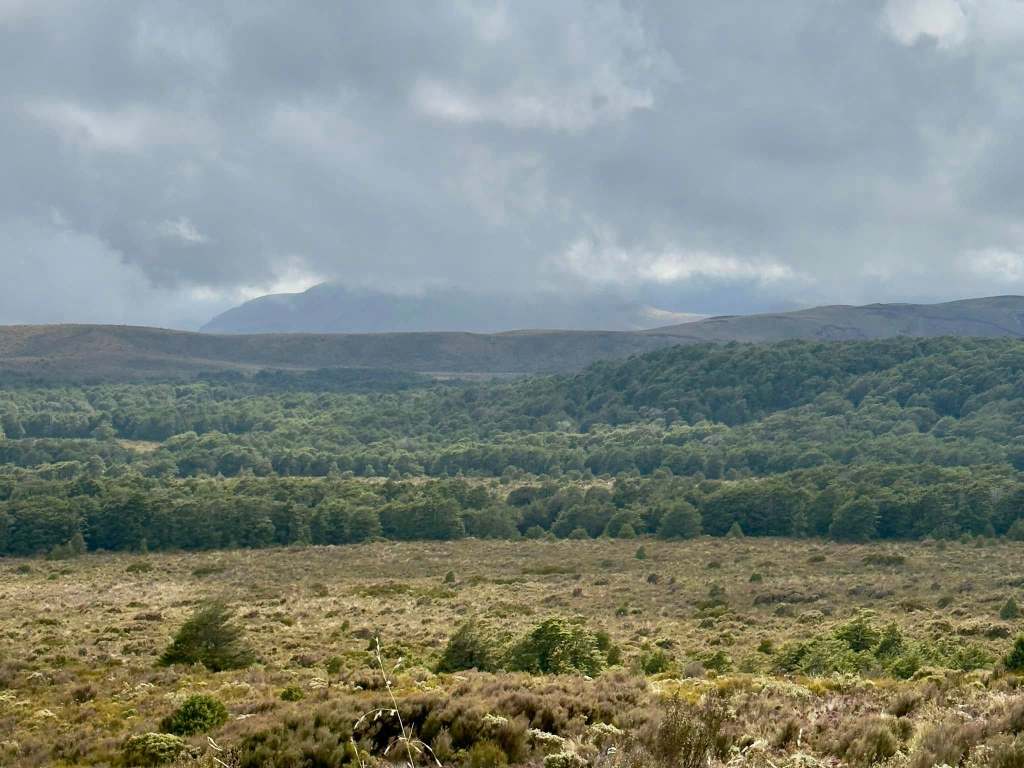
    The open field part of the trek.
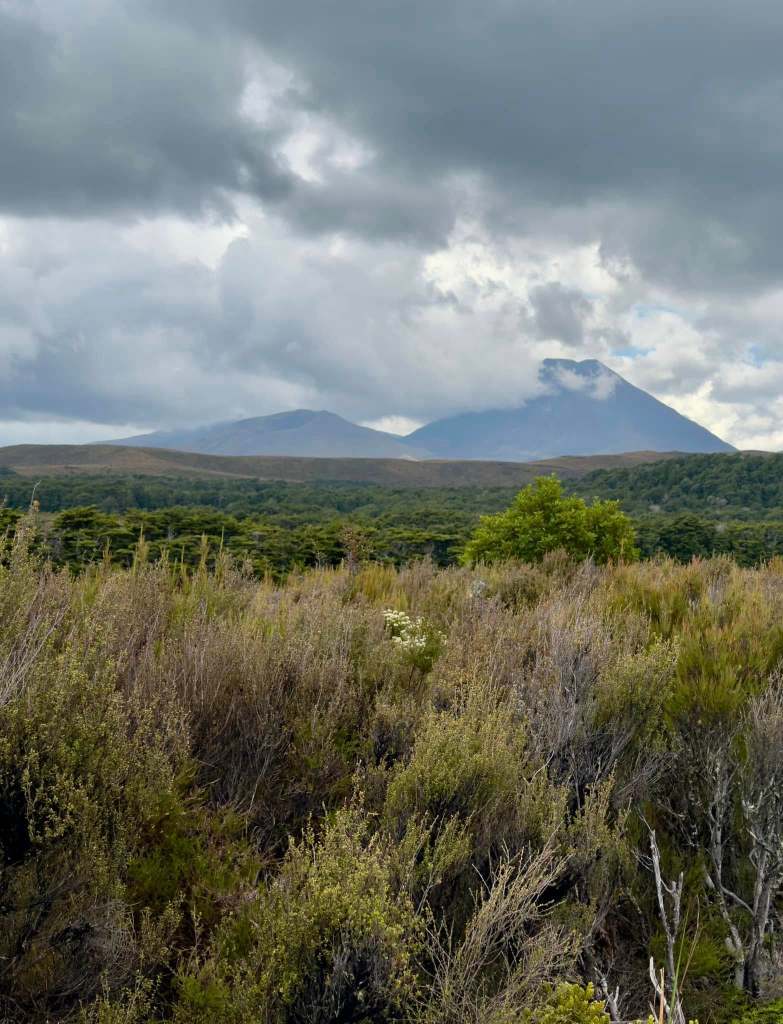
    Mount Ruspehu with its head in the clouds
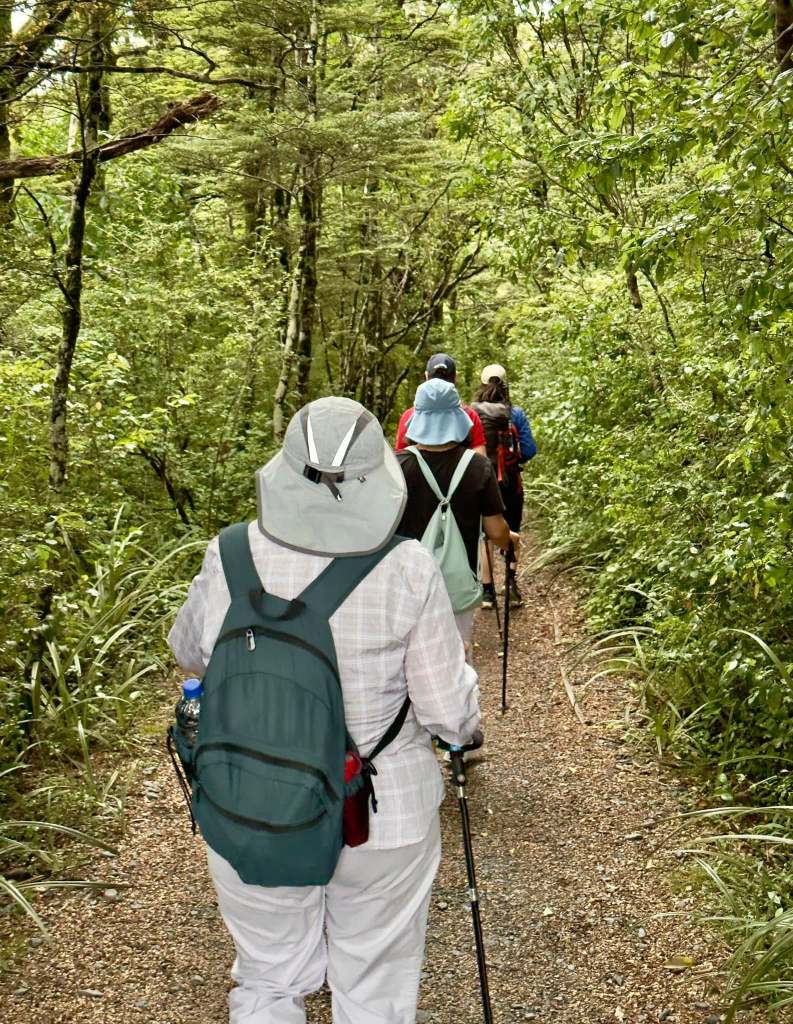
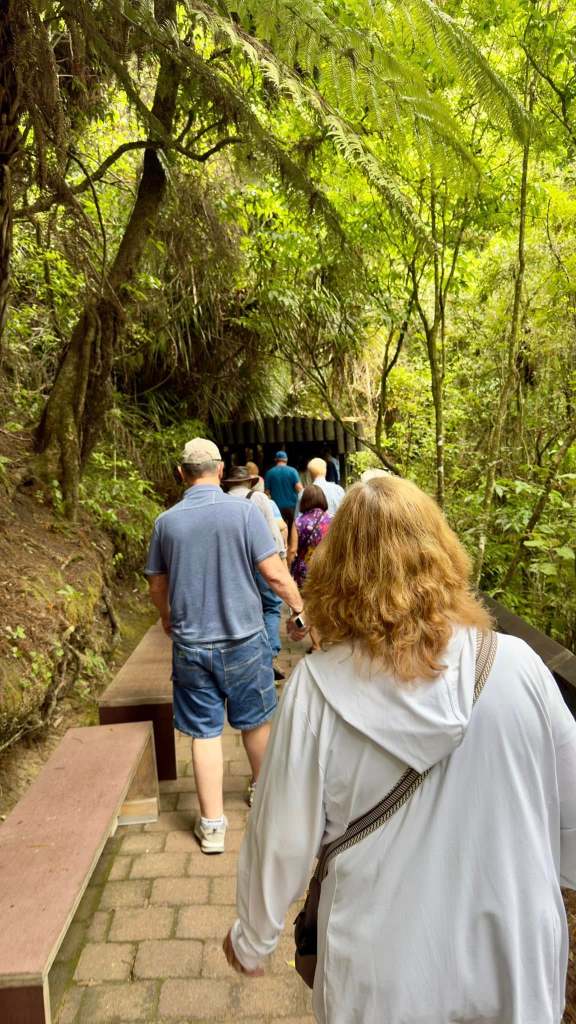
    The forest trail
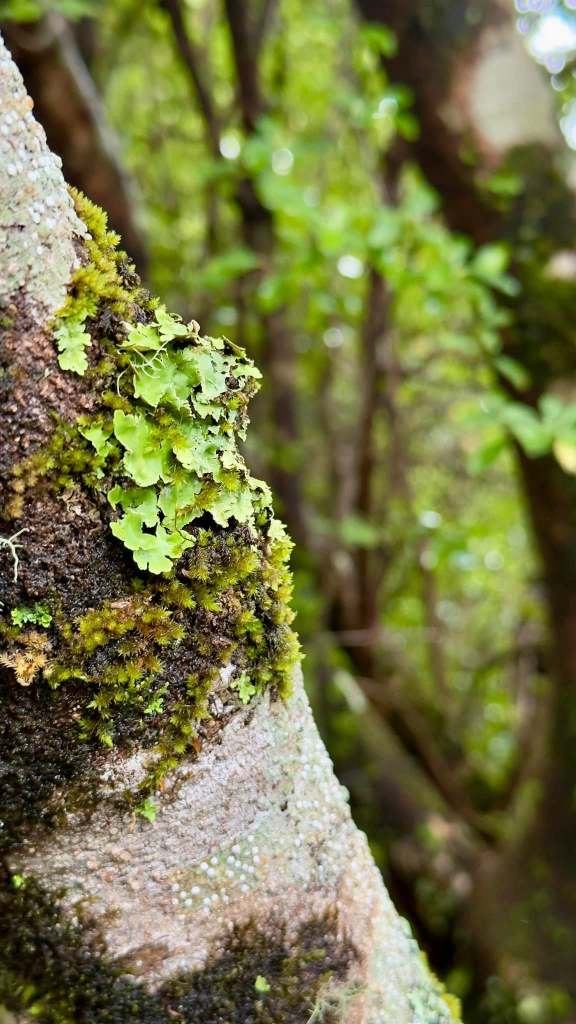
    The forest where everything is covered in growth
    The Sundew plant
    Up close Sundew
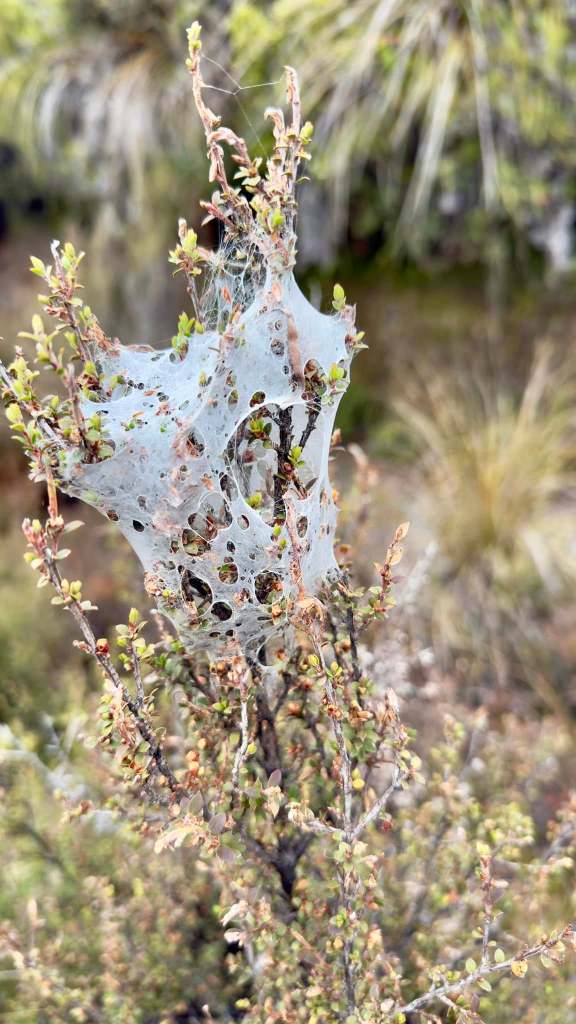
    Some insect or arachnid was busy
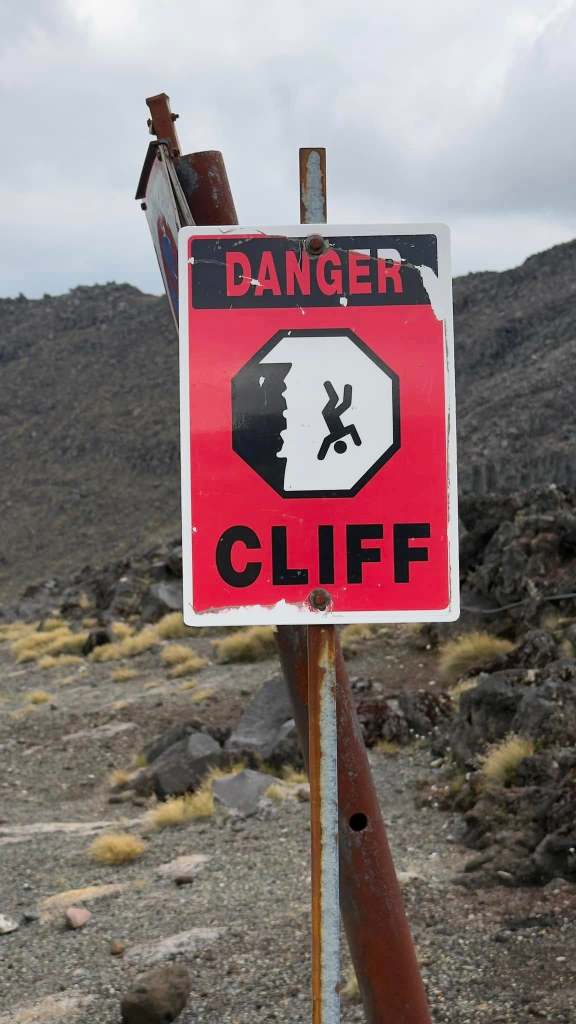
    Volcanic eruptions throw things that gouge these scars into the mountain. It removes the plants and any dirt that accumulates is washed away by rain or snow melt. Thus it takes centuries for the scars to heal
    There are some people way down on the trail we walked up.
    Tanya brought snacks. Pineapple chewy candy covered in chocolate
    Tutu plant. Do not eat.
    The giant waterfall. Ok this one was six inches tall
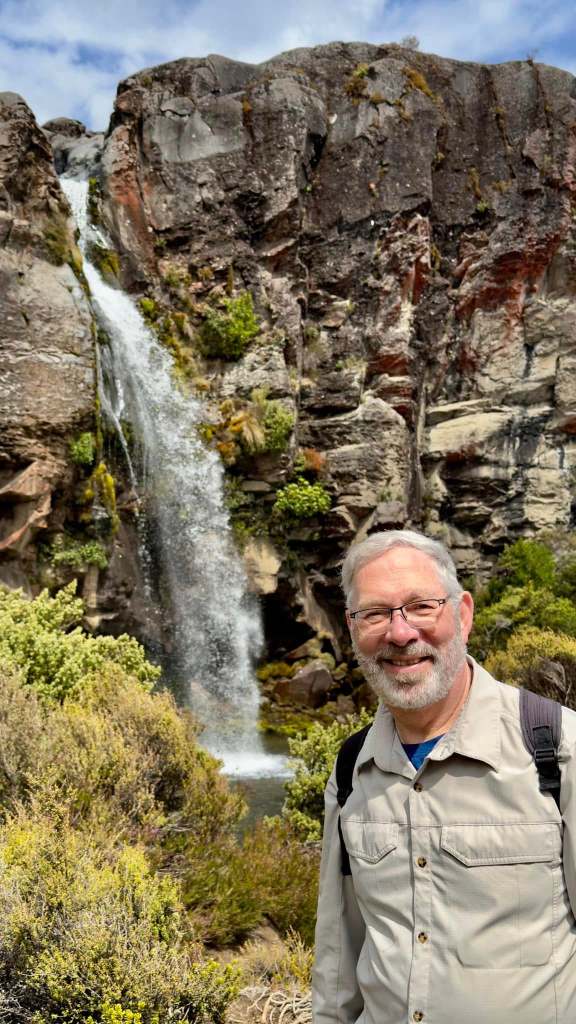
    Me and Taranaki Falls
    Also Taranaki Falls
    A peak at the top of Mount Ruspehu
    The ski field
    Ski tows over the boulder
  • Day 24 & 25 February 6 & 7, 2025 Glow Worms

    Yesterday was a day at sea. So in summary, we ate, we played cards, we had cultural experience with a group of Māori dancers and performers. It was similar to when I was chief the other day but a bit more humor.

    And we packed our suitcases.

    Today we said goodbye to our lovely friends Frank and Jeanette. They are heading back to the USA today. Penny and I are sticking around New Zealand and Australia for another 2 and a half weeks.

    We started our post extension today. We had to officially enter New Zealand today. Prior to today we were cruise ship passengers and we came and went with just a cruise card and our drivers license. Today we had to show our passport.

    Mark is our guide for the next few days. Bunny is our bus driver. I asked if Bunny was on his birth certificate. He said no. How did you get that name? The answer was “My parents”. I did not push the matter further. I suspect he was a cute and hoppy toddler.

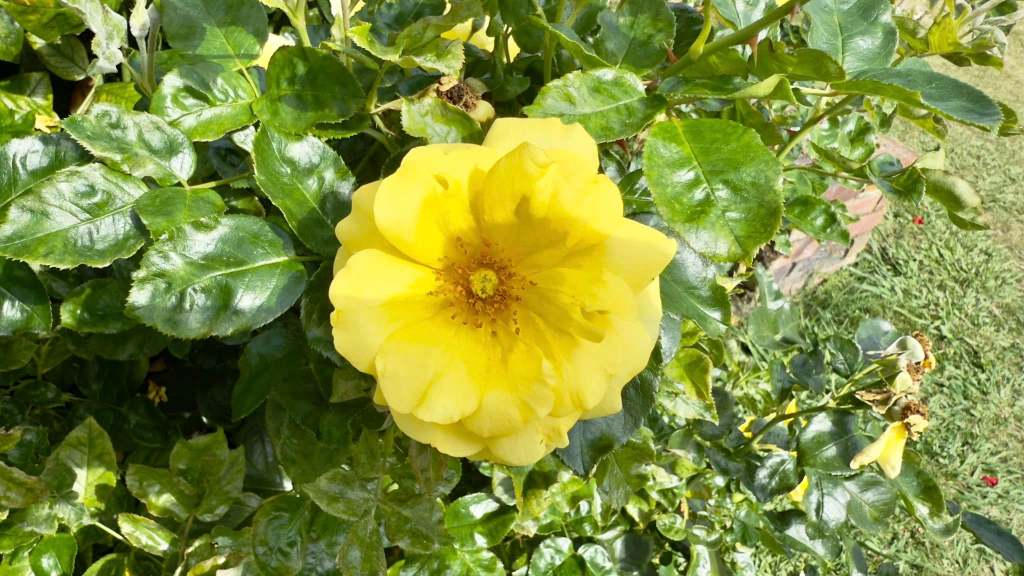
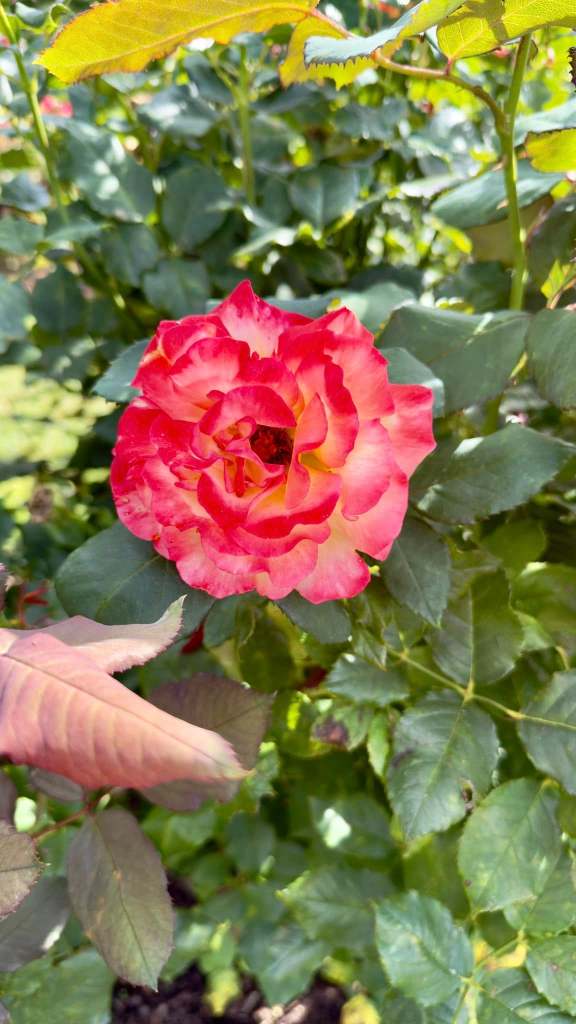
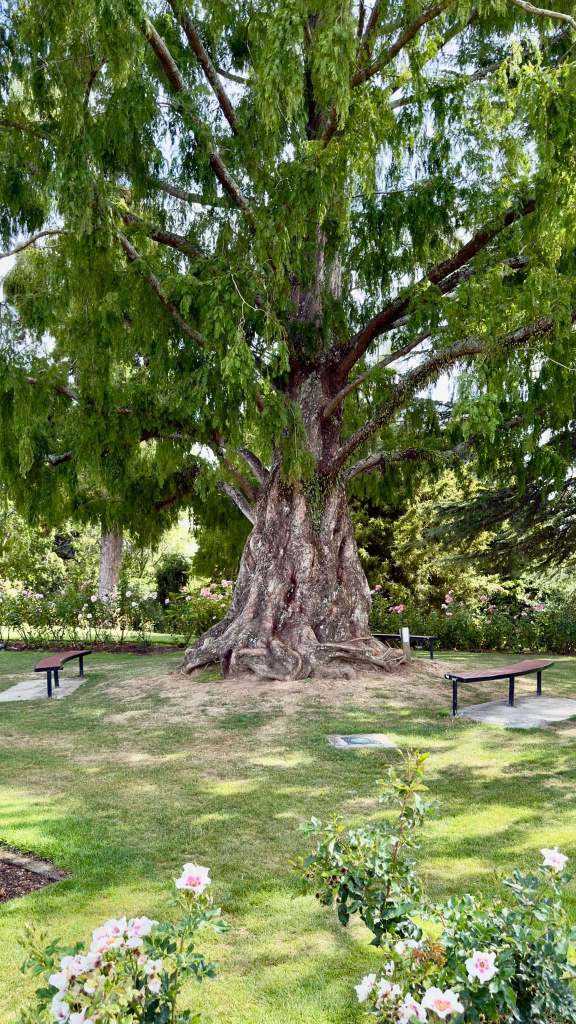
    We stopped at a rest stop for a toilet break and there was a nice rose garden across the street. I took pictures.

    We are driving to a national park. On the way we stopped to have lunch at a very lovely farm house. The farmer milks 300 cows. The wife cooks a wonderful lunch for 3 buses of people, about 75 hungry tourists. The lunch was delicious as it was mainly food grown on their farm and the ice cream with cherries was even better.

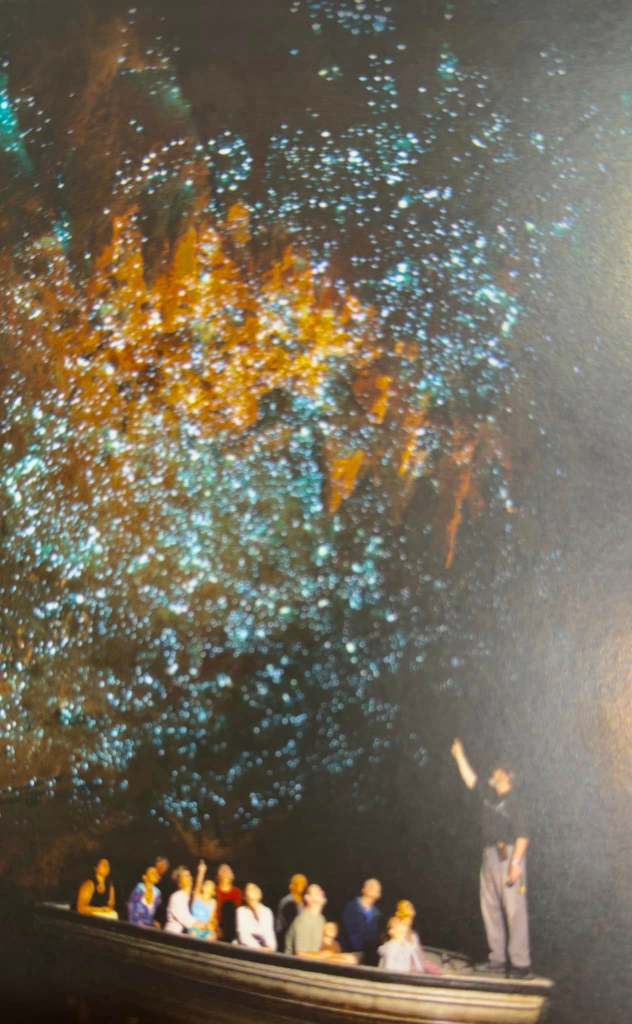
    Next we are going to see worms. …. We did, we did see worms and they glowed. We got to visit Waitomo the caves where the glow-worms live. The Māori people knew of the caves but since they had not found a reliable source for batteries for their flashlights they did not really explore much beyond the first few meters of the caves. In fact, or maybe in myth, they believed caves were the gateway to the underworld. It was some time later when Europeans began to explore that the little creatures were found to exist. These tiny little worms (2-3 centimeters) are bioluminescent critters like a firefly aka lightning bug. But they do not fly. Actually, according to the book I bought because they told me I could not take pictures, they are not worms at all. They are the larva stage of a small fly. They live in caves and stick to the ceiling. The cave is a special kind. It is a limestone cave that has a river that flows through it. The river has small insects that are floating on or above the water. When the water enters the cave it gets dark. This is where the glowing part comes in handy. Bugs are attracted to light. But how do the non flying worms catch the insects? This is where the worms imitate their cousins the spiders. The worms secrete from their mouths strands of very sticky fibers that hang down from the little hammock like place where the worms hang out. The bugs get stuck on the strands as they charge towards the light. And Bob’s your uncle glow-worm lunch is served.

    There was a great deal of oooing and wowing as we floated in a boat down the cave past the worms. Our local guide was really funny. He pointed out stalagmites and the tight variety and then told us what the guides had decided they looked like if you have as good of an imagination as they do. So naturally we all agreed that indeed that funny rock did look like an elephant in profile.

    The trip from the caves to Lake Taupo was a long trip in a very annoying coach. For most of the 3 hour trip the coach made a high pitched squeak that was more like a banshee screaming that I could hear from my seat (No I have never heard a banshee scream but I am sure it sounds like our coach.) Penny was sitting toward the back of the bus and was not subjected to the noise. It was beautiful scenery but a very winding road similar to driving the hills in Arkansas at a high rate of speed.

    We arrived at our Hilton hotel and were met by absolutely no one. You should have seen the geriatric folk trying to wrangle their too big and too much luggage to the rooms. It was complicated by there being up to six doors to get through to arrive at your room. We pulled it off.

    Dinner this evening was at another hotel down by the lake shore. It decided to rain while we were loading the bus but by the time we were leaving the dinner it had stopped raining. Another tasty meal and a chance to meet more people.

    It was a very early morning and I am ready to sleep. Tomorrow I hike to a waterfall. Penny decided to take a more panoramic sightseeing excursion.

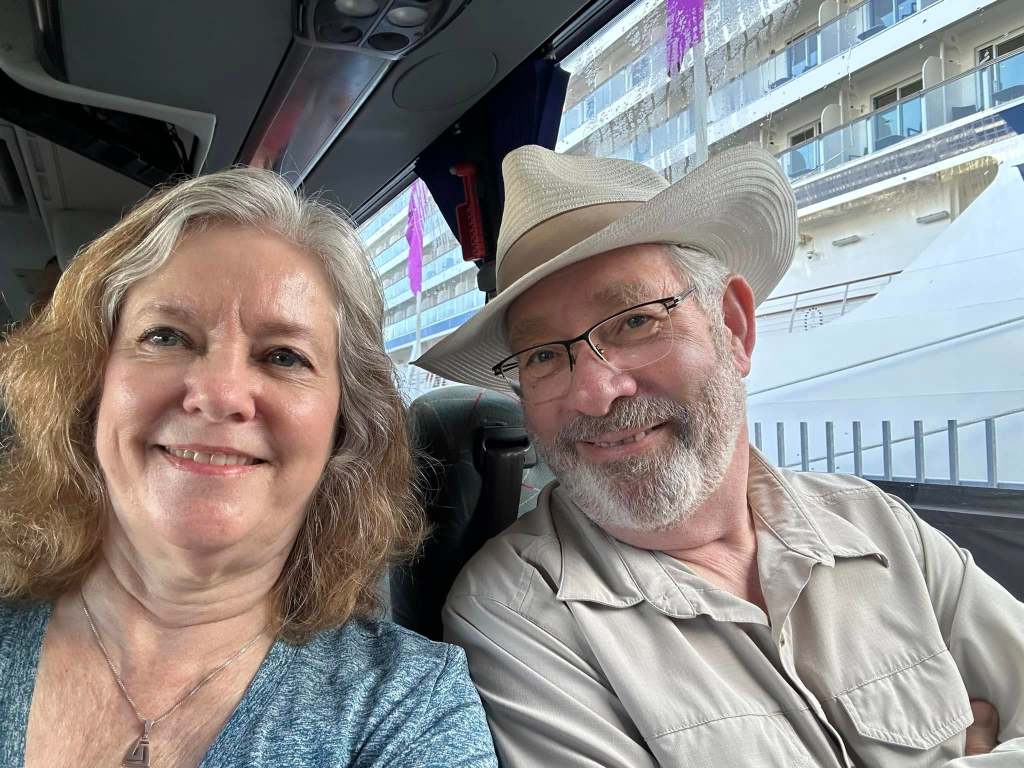
    My bride and I on the bus for our post excursion in New Zealand
    Our wonderful friends Frank and Jeanette on the bus for a day in Auckland before flying home
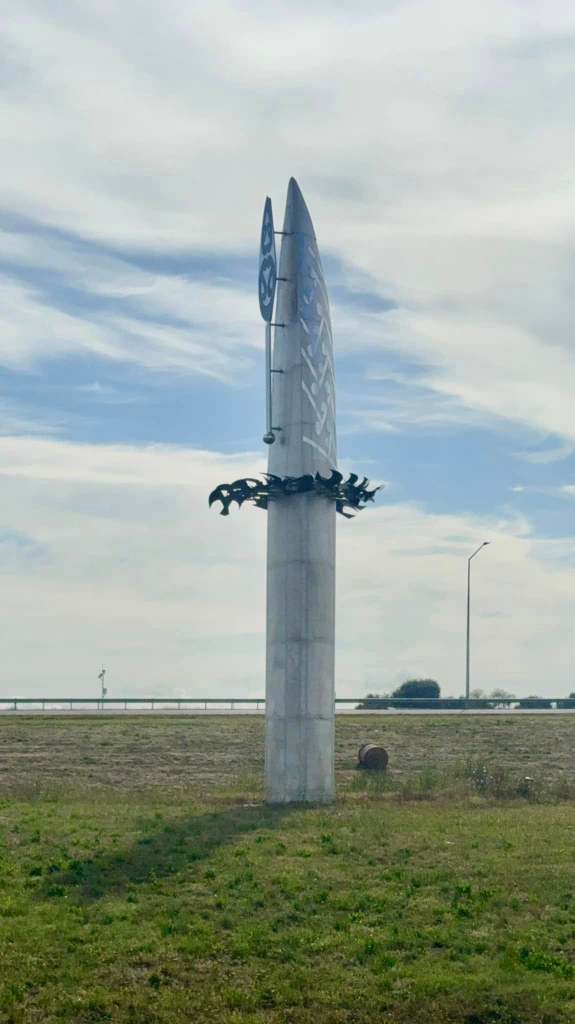
    Some Māori art along the highway
    Yellow Rose of New Zealand not Texas.
    Reddish pink rose not all roses are yellow
    Not all plants in the rose garden are roses. This one is a tree.
    White and pink rose and a busy as a bee bee!🐝
    The farmhouse. The buffet was just getting started.
    The farmhouse drawing room.
    All farmhouses have yards.
    Actual size statue of a now extinct flightless bird called a Moa. It was up to 6 to 7 feet tall at the back and up to 11 feet at the head. They were hunted to extinction about 200 years after the Māori people came to New Zealand in about 1200 to 1300 CE.
    Penny going into the glow worm cave.
    At the very end our guide said we could take pictures so I did
    Leaving the cave
    It is international law that every country has some farmers who leave a rusting car in their field.
    This pipeline carries geothermal water to the power plant.
    This was on the McDonalds parking lot
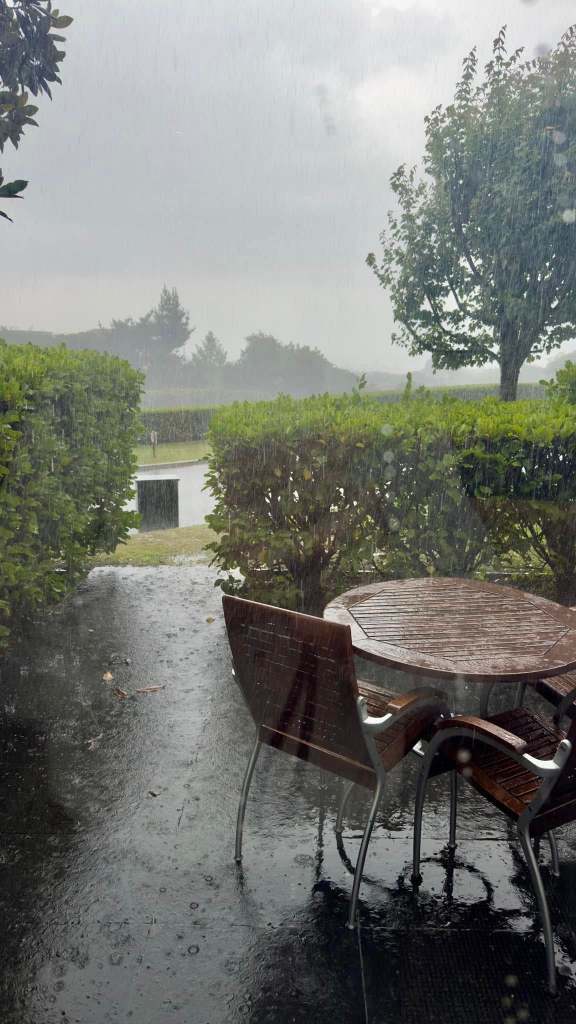
    it rained
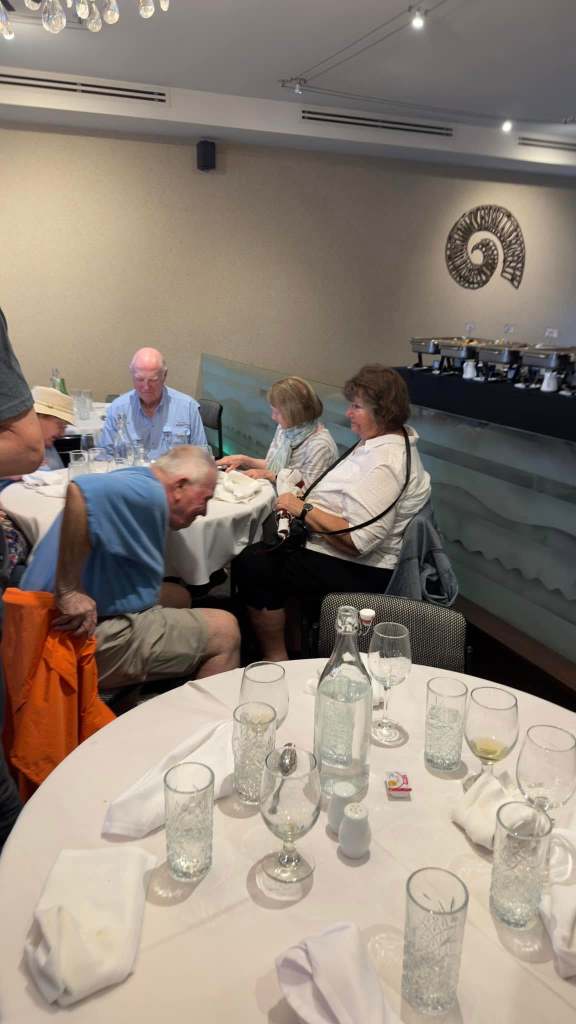
    dinner remains
    Picture of glow worms from the book I purchased.
  • Day 23 February 5, 2025 Tauranga, New Zealand

    Today the morning began with a bit of a lay in. We did not arrive in our port until around 10:00. Consequently, no popping out of bed at the crack of dawn.

    Tauranga port is where we docked. It is located in the Bay of Plenty and it is a lovely town with white sand beaches.

    Timber is one of the top exports of New Zealand. They grow a lot of pine trees that are native to the USA. But the growing conditions and soil here are better and the trees reach maturity in about 25 years. Growing to maturity typically takes another 10 to 20 years in USA . It we would be interesting to know how much the timber industry has ready to harvest each year. Every port we have been to in New Zealand has had a port full of logs ready to ship.

    Our destination today was Te Puia the Māori arts and crafts center. It was about an hour bus ride. Our trip took us through the kiwi fruit growing region of the country. Evidently they have cultivated three varieties of kiwi. The traditional green, an orange fruit variety and a new red fruit variety. The skin of the kiwi fruit is brownish, only the fruit of the kiwi changes.

    We arrived at Te Puia just in time for a very good lunch buffet. Everyone raved about the food.

    After lunch we experienced a cultural performance of the Māori. This is when our guide picked out the bravest and strongest, most intelligent and wisest visitor in our group to become chief of visitors. Naturally he picked me! Ok maybe he asked for a volunteer and I got my hand up first. I was chief of the visitors for the rest of the day. Nothing much changed. No one paid the least bit of attention to my chieftain commands nor any of my chiefly suggestions.

    I safely met the challenge of the Māori warriors who came towards me brandishing weapons and making fierce faces. I maintained my poker face and stood my ground. The warrior then offered me the peace symbol (a fern branch). This allowed us to enter the community center of the tribe and we enjoyed the talented people dancing and singing. It was delightful.
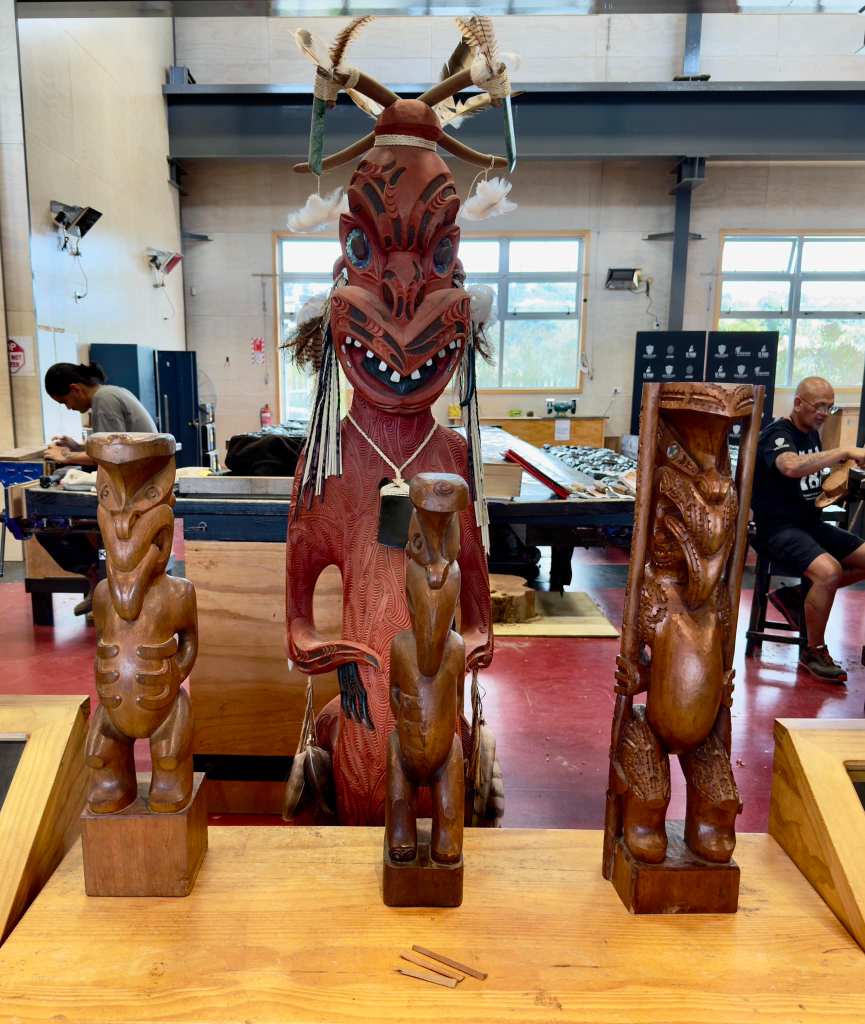
    Our next stop was the school where the traditional arts of wood carving, stone carving and weaving are taught to young Māori people. The students must apply to enter the school and the goal is to teach them how to become teachers of the craft. It was a busy place with lots going on.

    Our next stop was the Kiwi bird conservation area. The kiwi bird is flightless. When people came here for the first time the only mammals that were indigenous to New Zealand were bats and sea mammals such as seals and whales. The kiwi birds had no predators so walking was not an issue for them and they thrived.

    But with humans came many mammals including dogs, cats which were naturally predators of the Kiwi and they soon became endangered. Kiwi sanctuaries are a means of trying to insure a viable population.

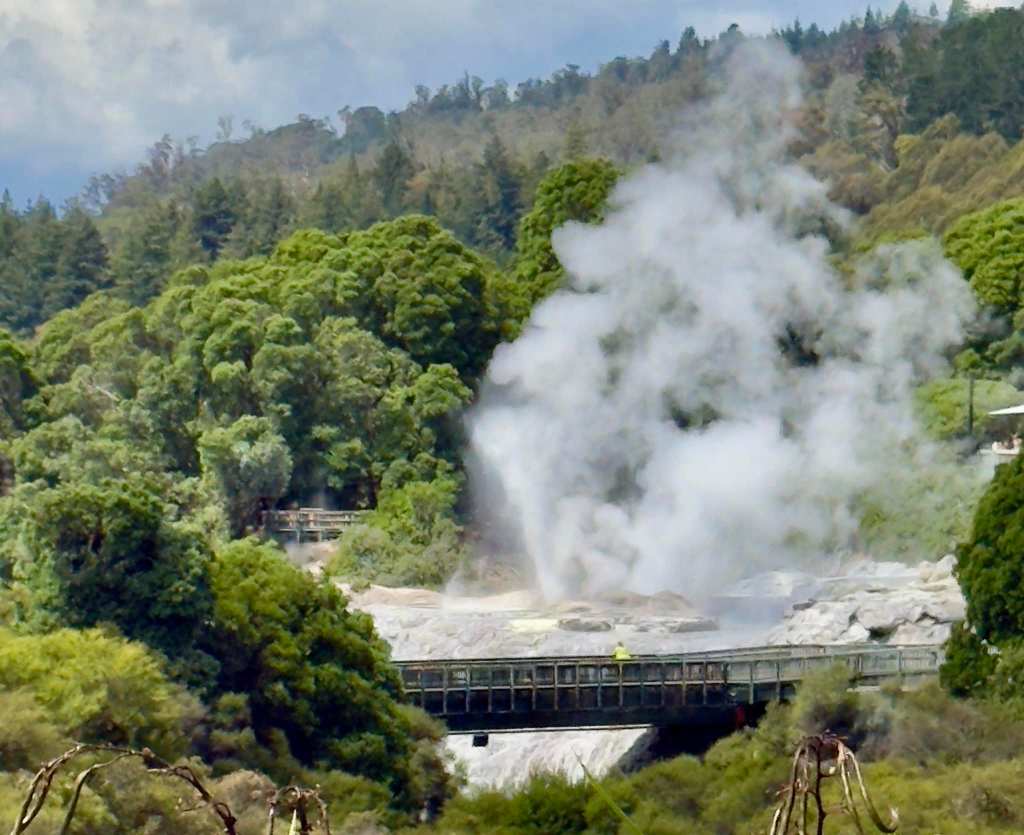
    Our last stop was the thermal features of this part of New Zealand. There were mud pots and geysers. They were pretty active, not as regular as some, but still very frequent.

    It was a good day.

    Tonight was our farewell show for our trip. The Viking Vocalists performed the music of the Beatles. You have never seen so many old codgers singing and swaying to the music of the 1960s. It was fun.

    Tomorrow is a sea day. It is also a national holiday, New Zealand Day, the day of the signing of the treaty between the British crown and the Māori people at Waitangi.

    So all the dock workers will be off on holiday so we will be hanging outside the port until we can dock in Aukland.

    pilot boat
    City Bay
    Kiwi fruit growing.
    New Zealand scenery
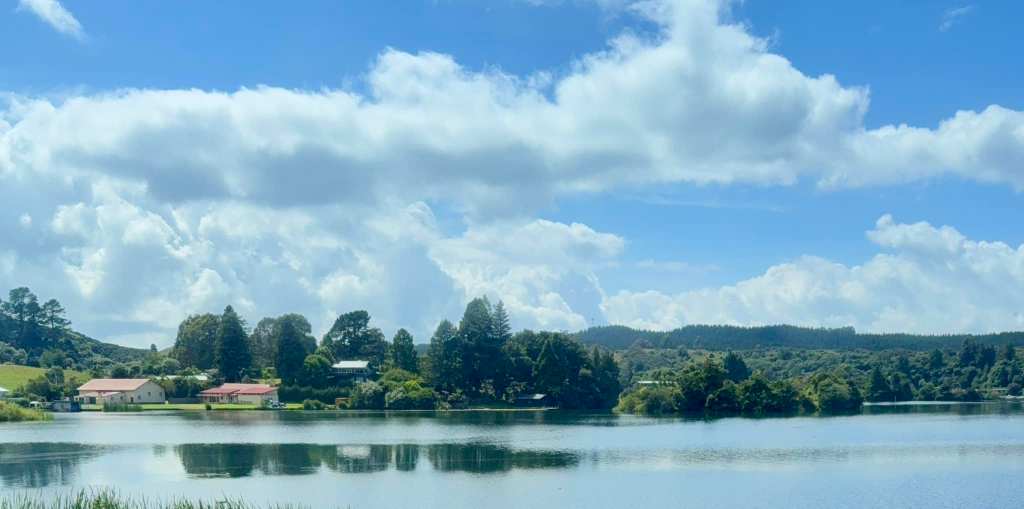
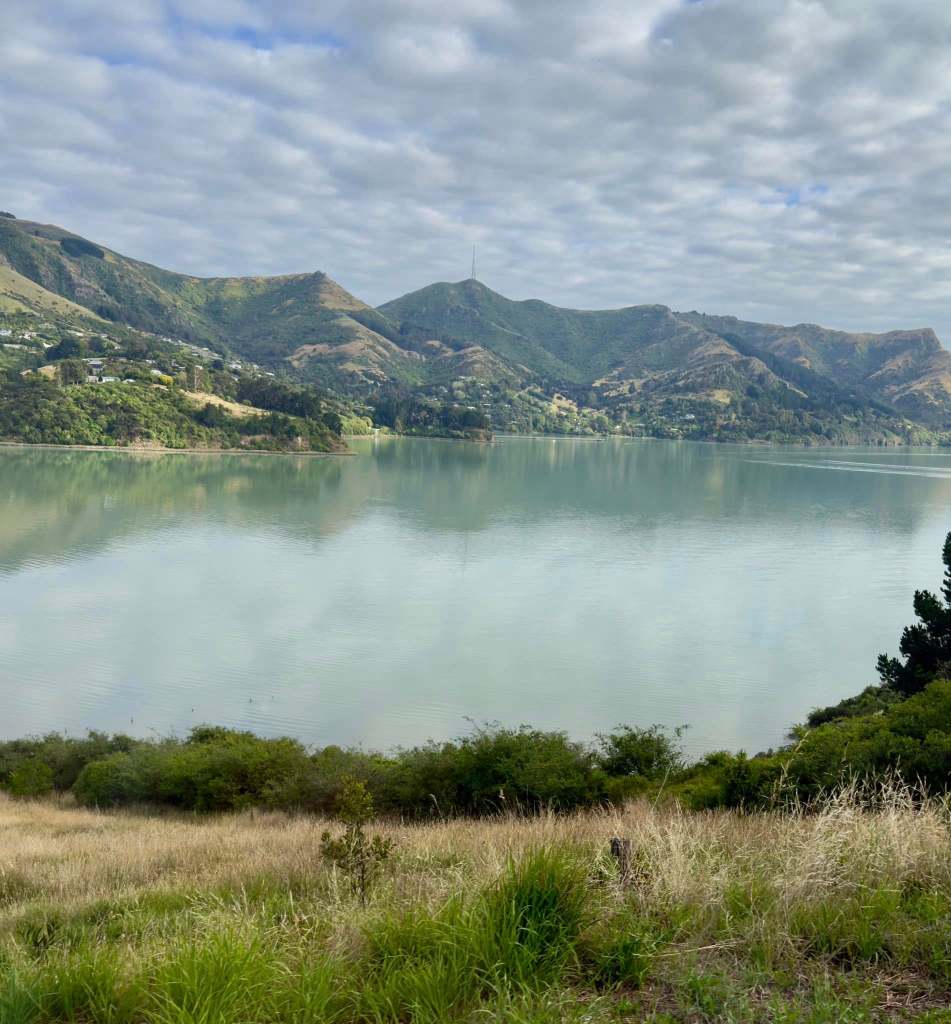
    Lake in New Zealand
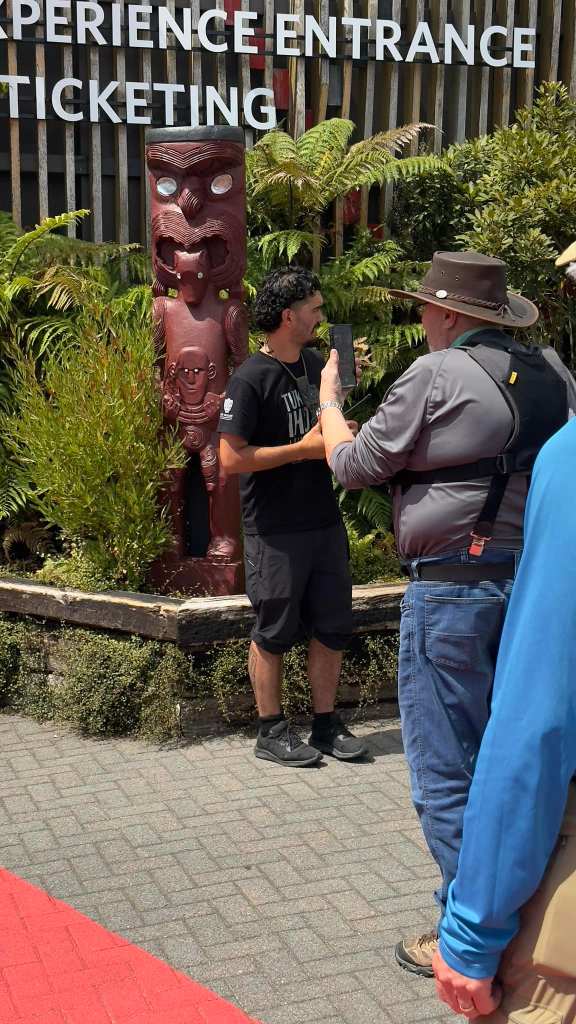
    Our Māori guide – the one in the shorts
    the Meeting House
    The Māori dancers make this face for real.
    Student learning the arts of the Māori culture.
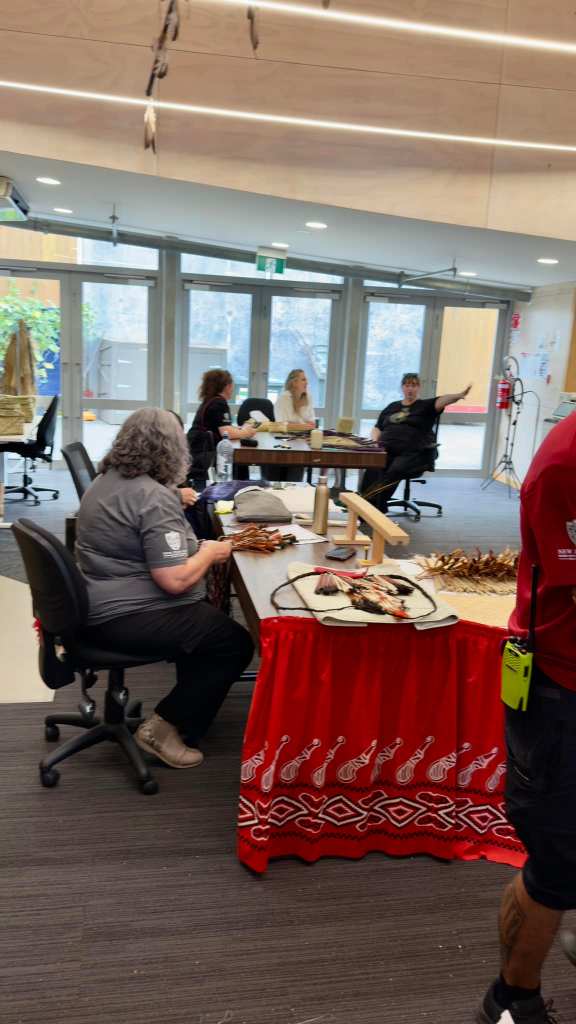
    The weavers learning to weave.
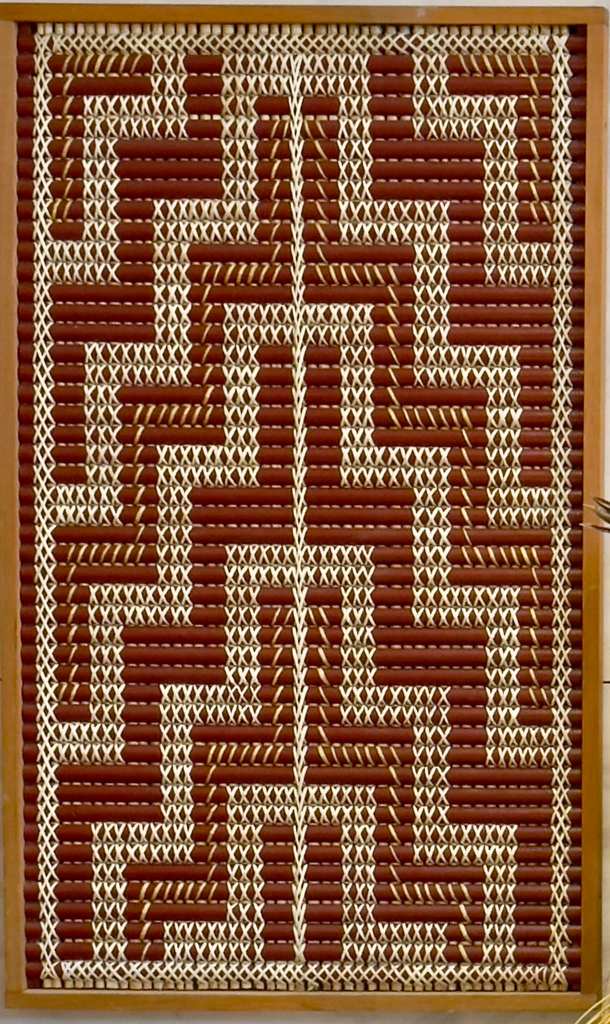
    The woven products of the weavers who learned to weave.
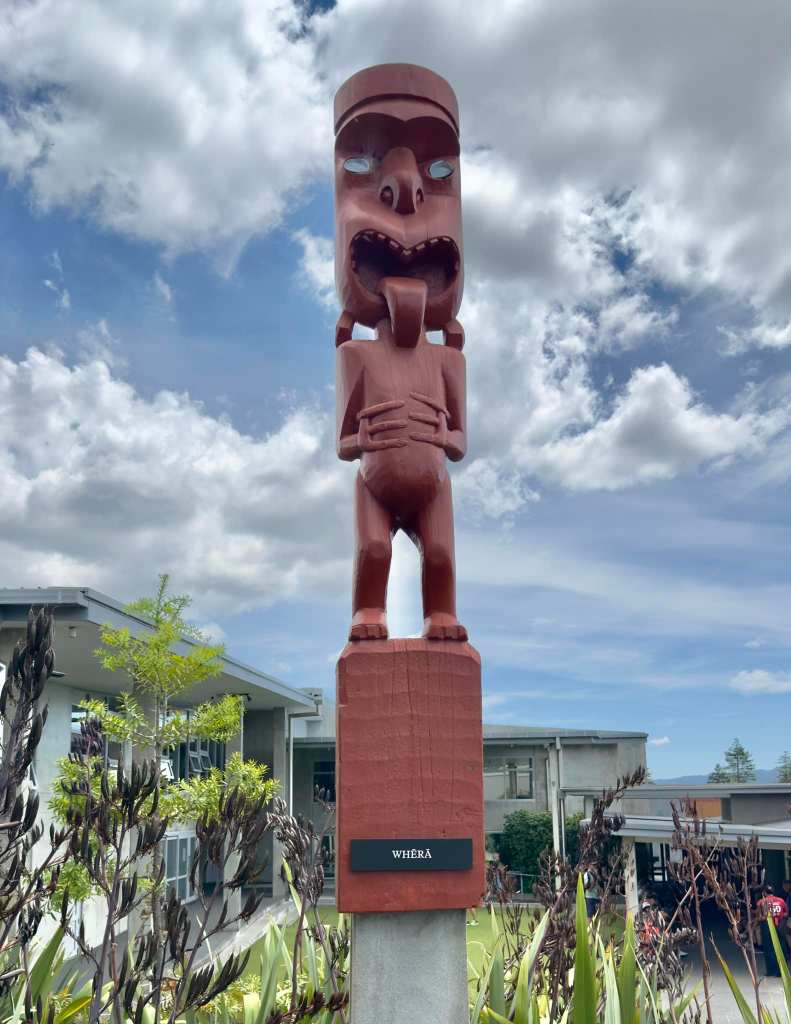
    wood carving products
    Geysers
    the cutest beach bum ever.
    The newly elected chief of the visitors facing off the local inhabitants
    the rock star of the Maori people

  • Day 22 February 4, 2025 Napier, New Zealand

    Today’s excursion for Frank, Jeanette and me is a trip to a goat dairy and sheep station. Penny said she had seen the sheep dogs work and she opted to ride a train in the city. Frank and I thought we are sheep shearing experts, since we have seen one done a couple of days ago. So we plan to be judges and hold up numbered signs to rate the job.

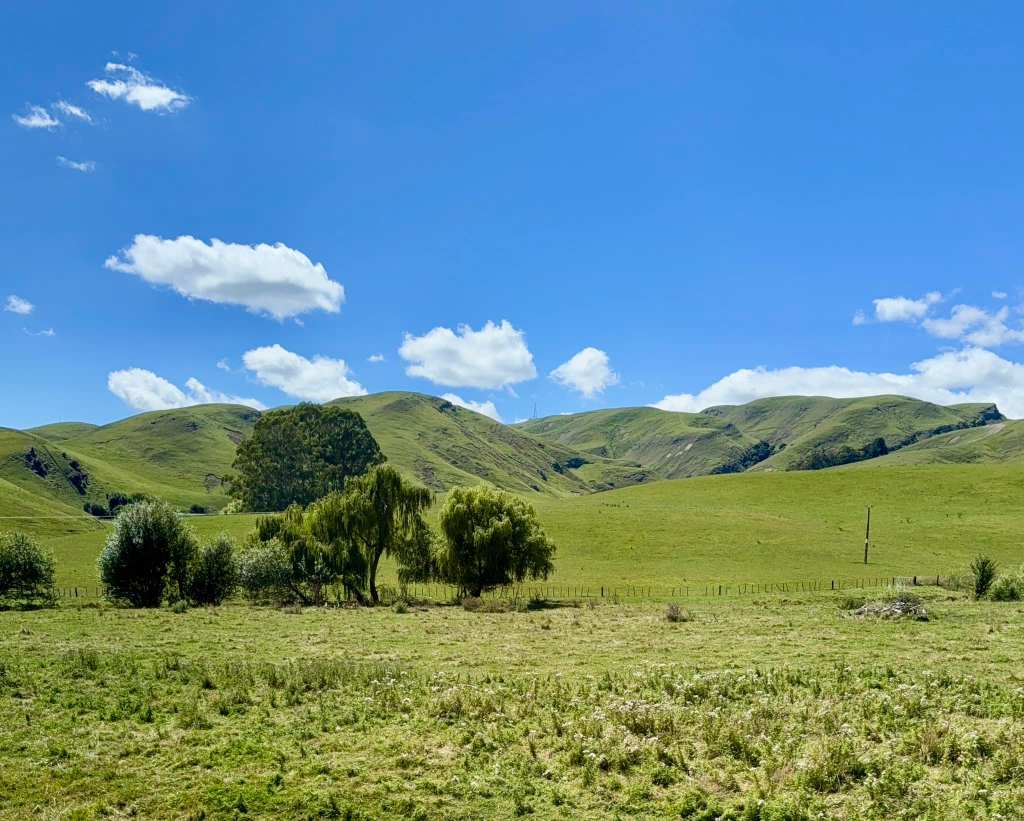
    We had a lovely day. It has been very nice and educational to see different areas of New Zealand. Napier and the surrounding area are much flatter than the mountains we have been seeing. The area is highly involved in agriculture. They grow a variety of things from maize (AKA, corn) to all kinds of fruit, to grapes for wine, to sheep, goats cows and chickens. They grow so much that they export over 90% of what they produce.

    Our guide was a young man who wanted to start a business providing agricultural tourism. He met his wife whose family owned a bus company. So it was a match made in heaven.

    The guide went to school with members of the family who owned a farm. The husband and wife are in their 30s. The wife had a degree in business. They started a goat dairy farm back several years before Covid struck. They were doing well until Covid shut down much of their business which was exporting goat powdered milk. China managed to get a much larger share of the goat milk market. They never recovered. Being good business people they shifted to fattening cattle.l, letting beef people run their herds on their land.

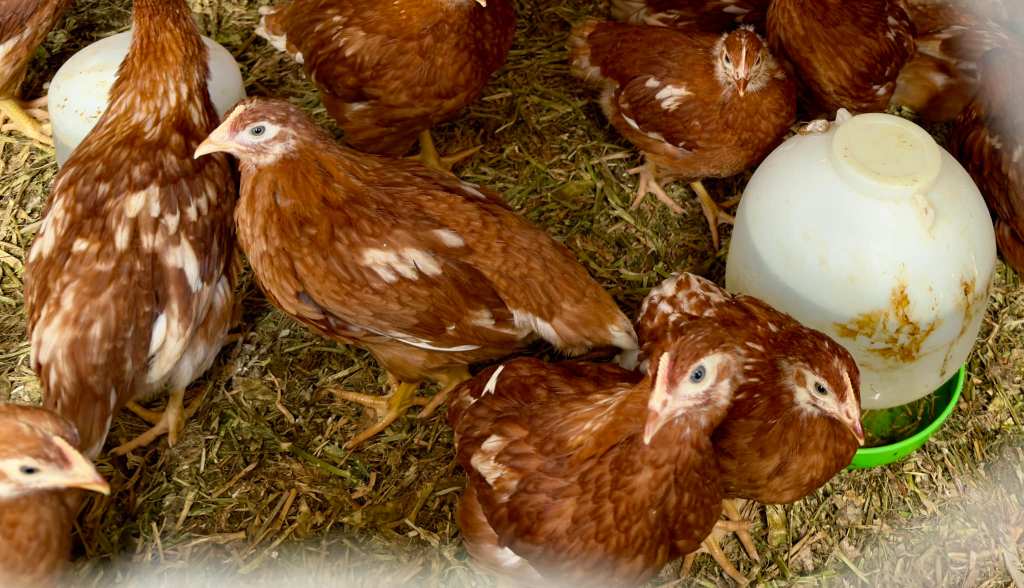
    Then when one of their sons wanted to do motor cross they took the opportunity to let him learn about farm life. And they decided to let the son start a chicken business. After googling how to raise chickens and harvest eggs, they had a business that made the son some money.

    They also have sheep on the farm. But that business of selling wool is one that is also in decline. This is largely due to the rise in synthetic materials for clothing.

    The latest business is the tourism business, giving cruise ship passengers an opportunity to visit a working New Zealand farm. It was a great time.

    On our way back to the ship our guide stopped and bought us apples at a local orchard. It is apple picking time and these were delicious apples.

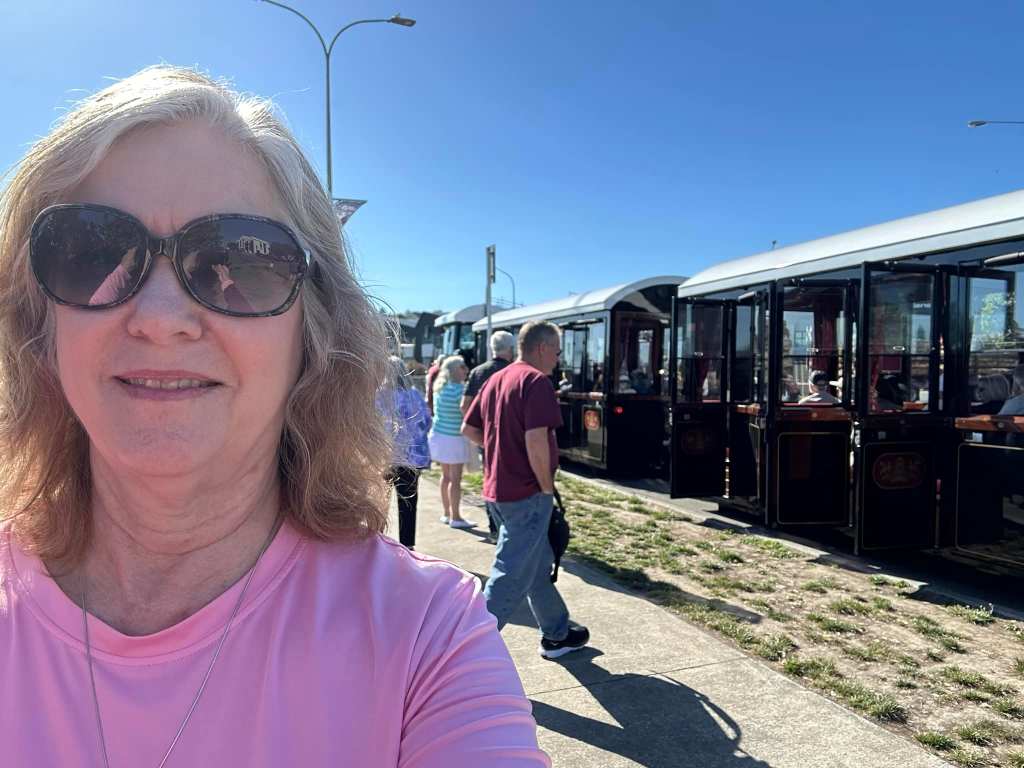
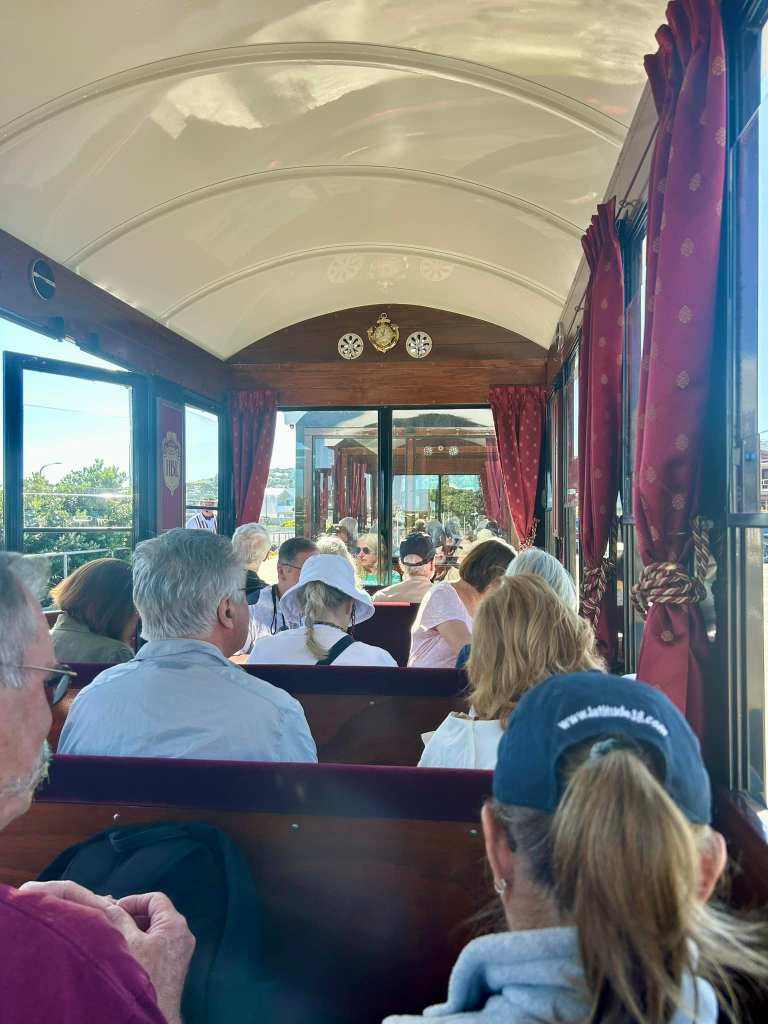
    Penny took a train of sorts it was pulled on the streets and there were tires of rubber and no tracks. The driver built the train from scratch with his dad. He described the changes to the town of Napier since their last big earthquake in 1931. It lasted 2 1/2 minutes and when it was over, the land had shifted so much that the town had 67,000 more acres of land than before the quake as it pushed land up through the lagoon. He then described how they worked out how to turn the new marshy salty soil into good solid usable land over the next couple years. It was a very enjoyable and informative train ride through their cute little town.

    his picture and the next were across the street from each other. The boy is waving at his mom.
    The mom waves at the boy.
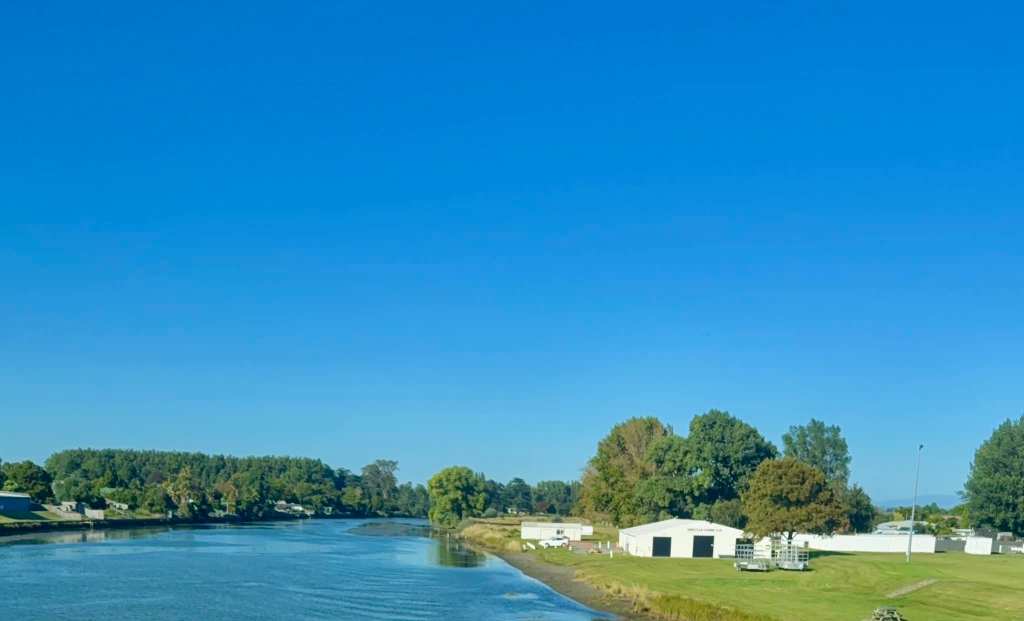
    One of the rivers in this agricultural region
    The map on the left is the bay (white area) before the 1931 earthquake. The one on the right shows the new land that was pushed up by the quake.
    my bride and the train
    The inside of the train
    These are the two people that own the goat dairy, sheep farm, the cattle fattening farm and the chicken farm that sells eggs. That is not to mention the agricultural tourism business they run on top of that.
    Baby chicks about a month old
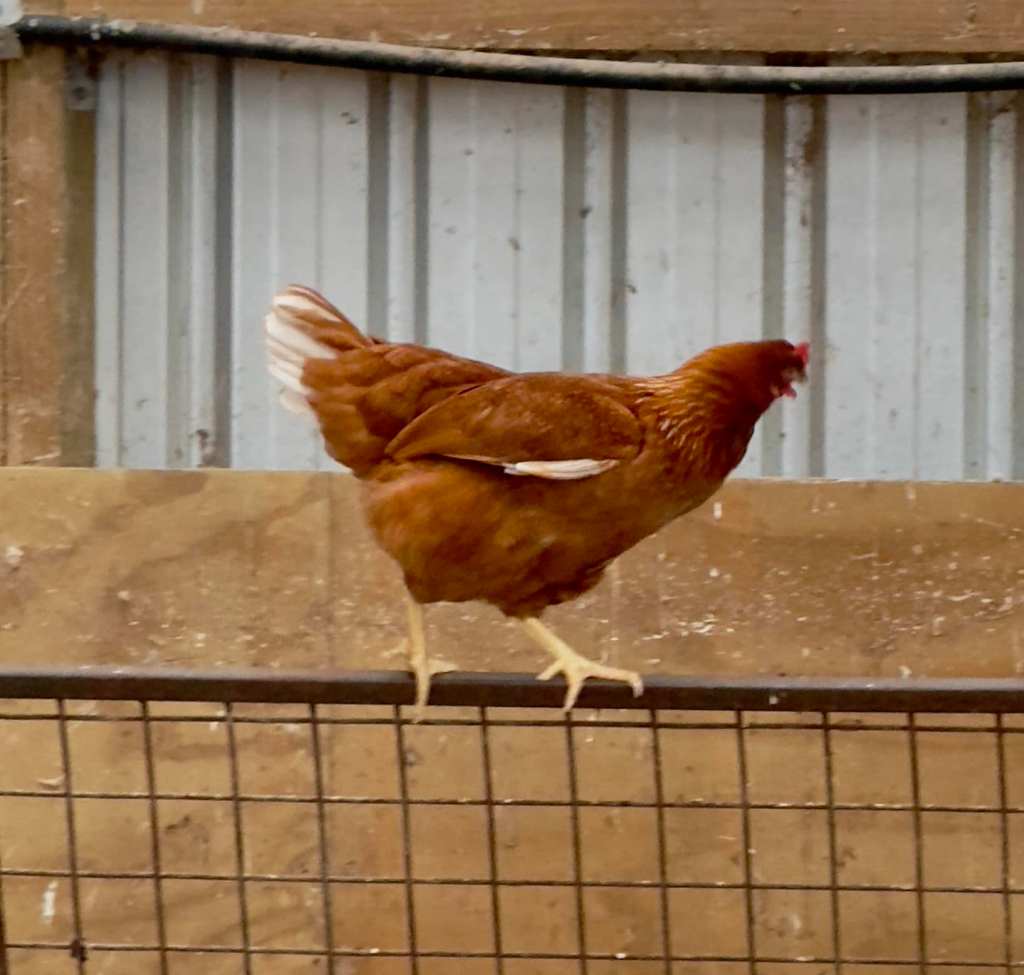
    The famous tightrope walking hen, Georgette.
    This is one of the dogs that work very hard to make sure the sheep go where they are supposed to go.
    Me and the view from the yard of the farmhouse.
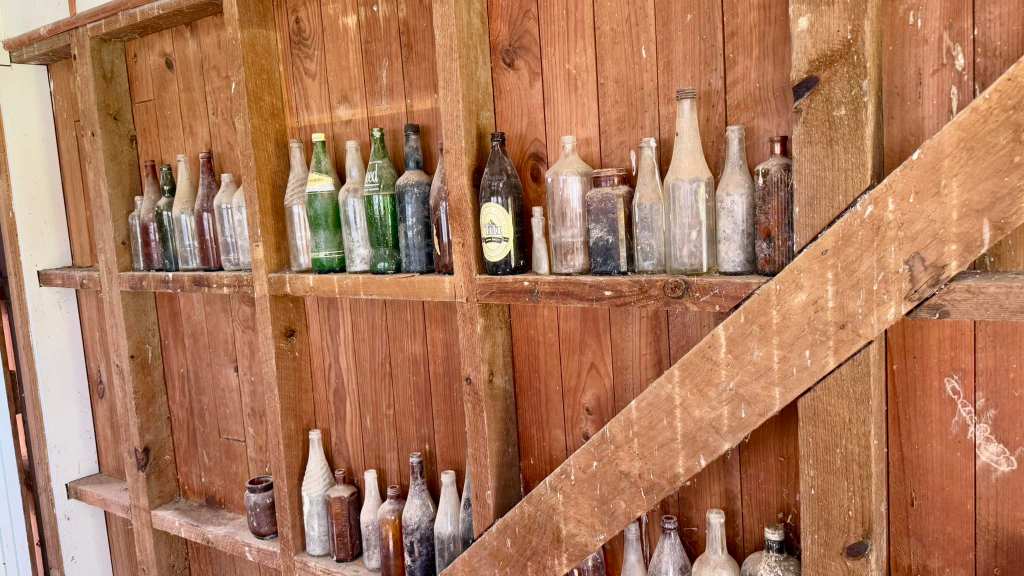
    Every farmer, by law, is required to keep all glass bottles on the wall shelves in the sheep shearing barn.
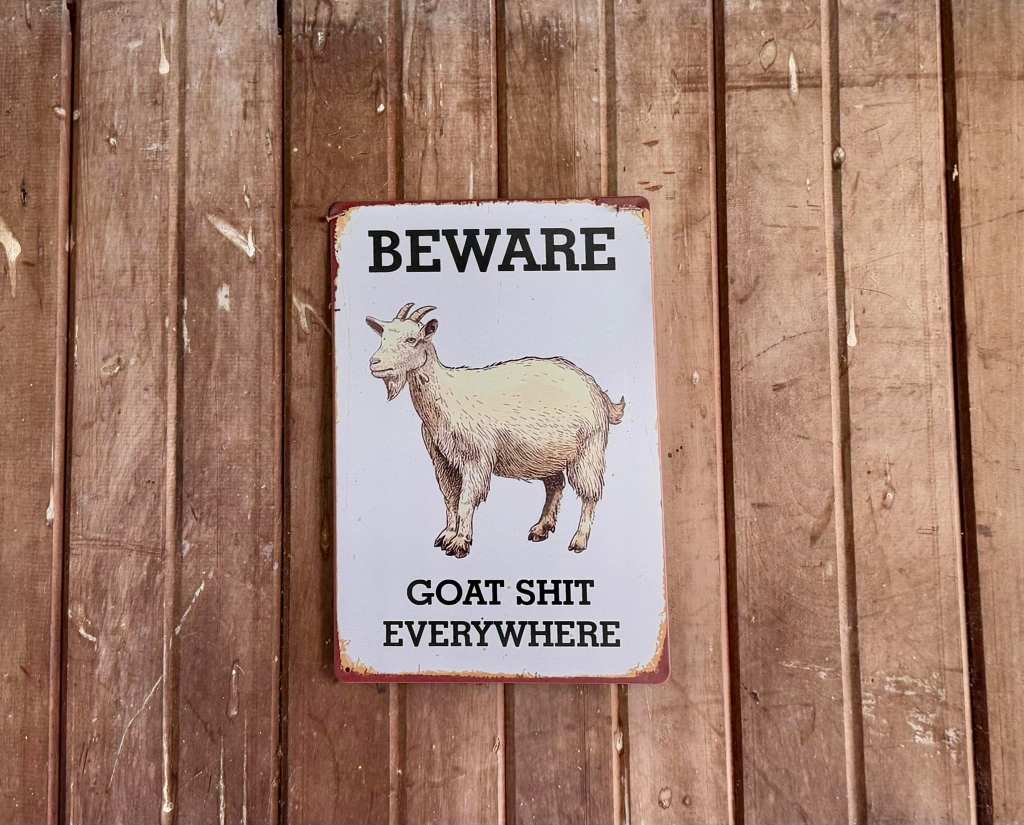
    Fair warning
    Facebook and instagram #tukitukidairygoats
    Not clear if that is each or for a dozen ? But it is $4.48 US dollars
    On the drive back to the boat
    On the drive back to the boat
    On the drive back to the boat
    On the drive back to the boat
    Frank and the ship
  • Day 21 February 3, 2025 Wellington, New Zealand

    Yesterday I was pretty certain the WOW factor of visiting New Zealand had reached its pinnacle. Yet today was right up there with its wow-ness.

    We find ourselves in the capital city of New Zealand, Wellington. One of the main streets in Wellington is right over the main fault line of the area. They experience several hundred quakes each year but most are not felt by the residents. But they have a big one about every ten years. Most of the buildings are made of wood which are better able to withstand shaking than are bricks or stone.

    We opted to partake in a morning and afternoon excursion. Our morning excursion was lead by a member of the Māori people. He was a great guide and driver. He told stories of his personal life and of the country. He had the entire van (10 people) laughing all morning. The van was brand new and still had the new car smell.

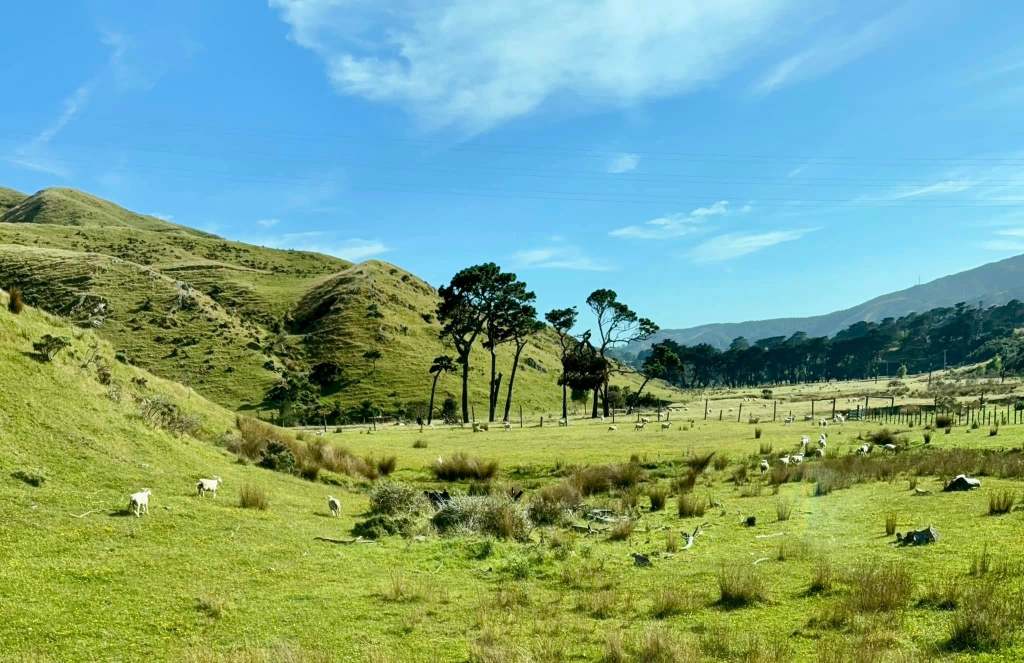
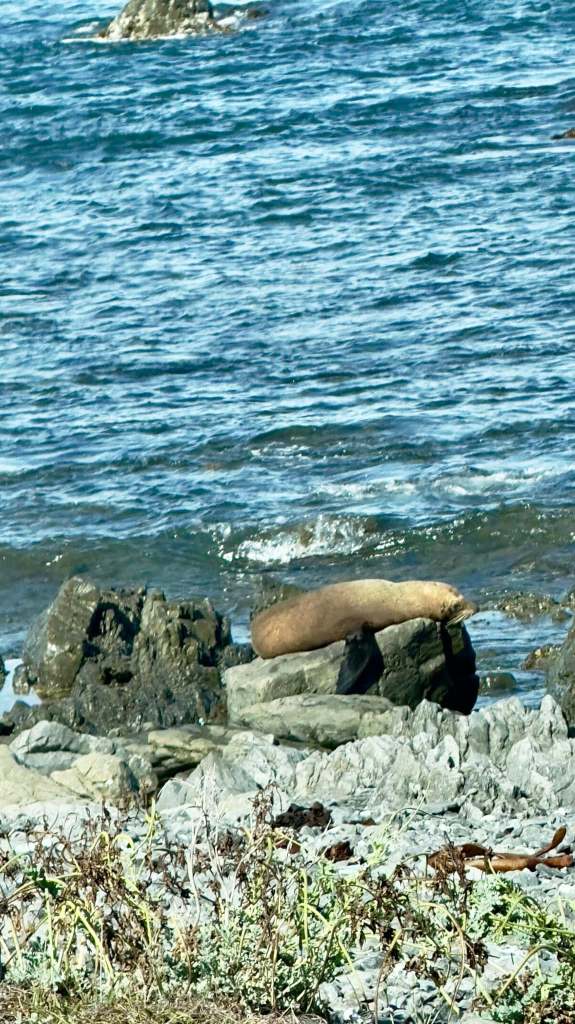
    Our goal was to visit a colony of seals on the coast. We were docked on the east side and the colony lives on the west side. The other interesting tidbit is that Wellington is nestled on the coastline and the mountains rise steeply behind the city. Our seals lay on the other side of the mountains. So we had about an hour drive over the gorgeous New Zealand mountains. The views and animals, domestic and feril, were spectacular.

    Some of the stories were about the mistakes the people in the late 1800s and early 1900s made. You may know that in the USA that the plant kudzu was a plant brought on purpose to the USA as a means to control erosion on banks. It did that but soon took over and choked out all other vegetation.

    Well the good people of new

    Zealand also fell victim to this problem. Cats were introduced into NZ as pets but they soon became feral and began to prey on the native bird population including the flightless kiwi bird. Our guide told us that the kiwi is the mascot of the NZ Air Force. He thought that was pretty ironic.

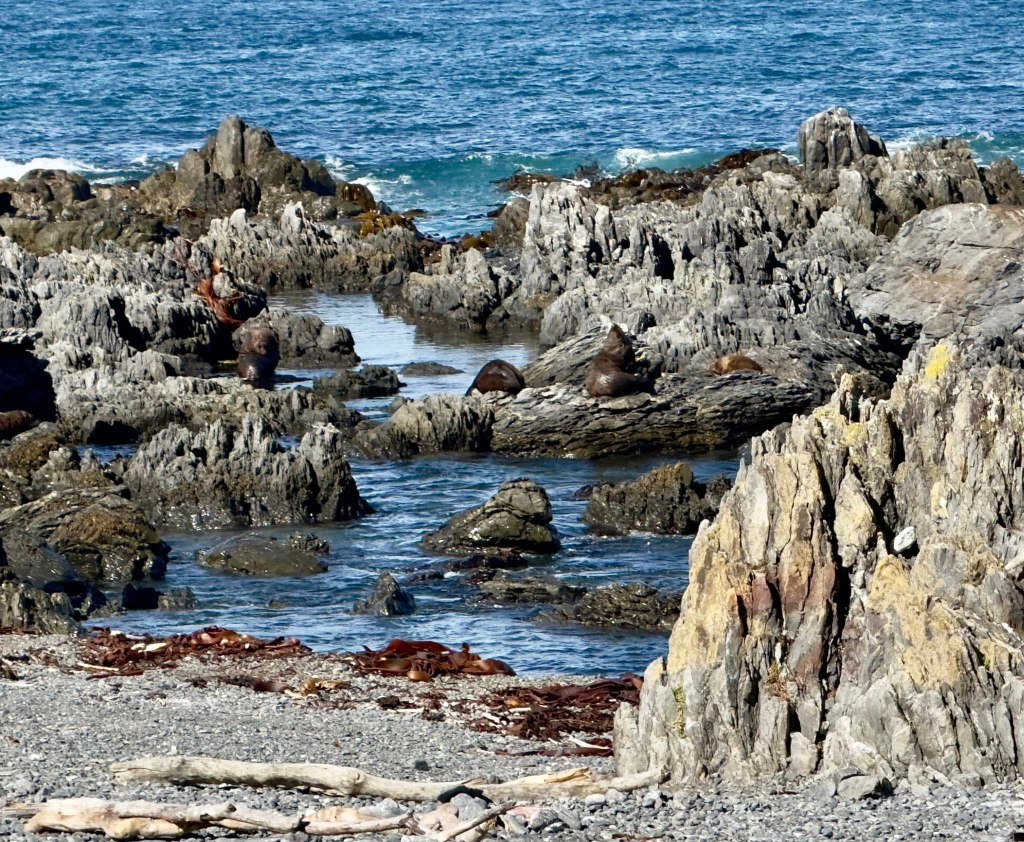
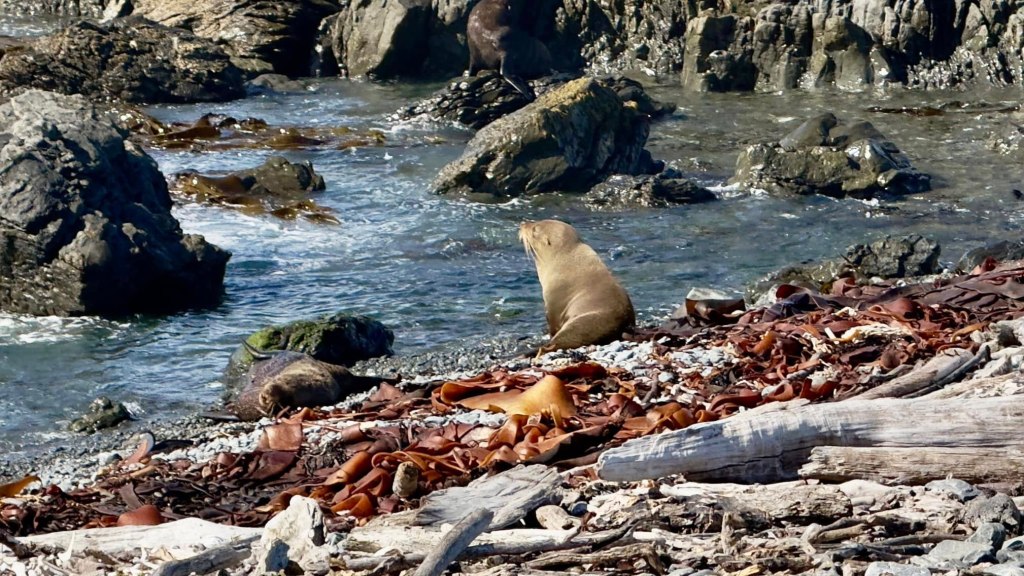
    We came over the mountains and made our way to the seashore. There are no sandy beaches on the island because of the volcanic nature of the place. But the rugged rocks make a great place for seals to sun themselves and to hunt around them.

    The majority of our over the mountain trek took us through a farmer’s very large “station”. Which we might call a ranch. Sheep, goats and cattle were all over the place.

    But the coastline was, not too many years ago, returned to the Māori people. Prior to that the European people had put fences that separated fields and ran the fence all the way to the ocean edges. This prevented the Māori people from hunting and fishing around the coastline. It was a delightful and hilarious morning.

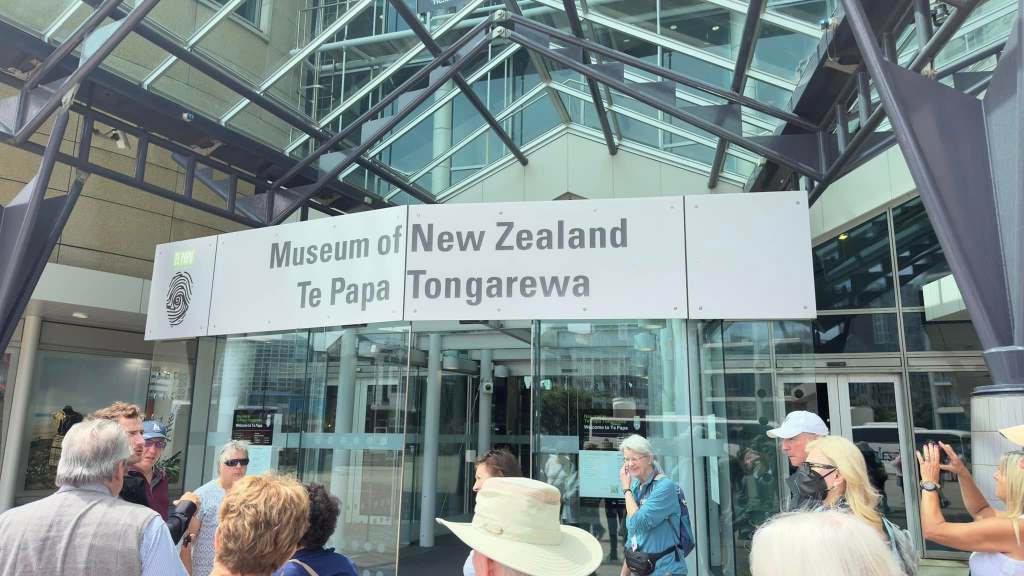
    After lunch our second excursion took us to the Te Papa Tongarewa or Museum of New Zealand. The Māori name means “container of treasures”. Which is a pretty wonderful description for a museum.

    The museum tells the story of of the Māori people and of the entire nation’s participation in the wars of the 20th century.

    There were stories about immigrants coming from all over the world and being welcomed to New Zealand.

    The Māori story of sailing from Polynesian islands between 1320 and 1350 was chronicled. The Māori people were very sophisticated sailors. They used half a coconut shell with holes drilled in the edge to sight through it at a star. They put water in the shell so they could make sure it was level.

    The story of 6 February 1840 was when the Māori and the English royal family signed the Treaty of Waitangi. The treaty was written in English and translated into the language of the Māori. The two copies were not identical in meaning. It is important that it was the royal family and not the English government that signed the treaty. It is still a treaty with the crown.

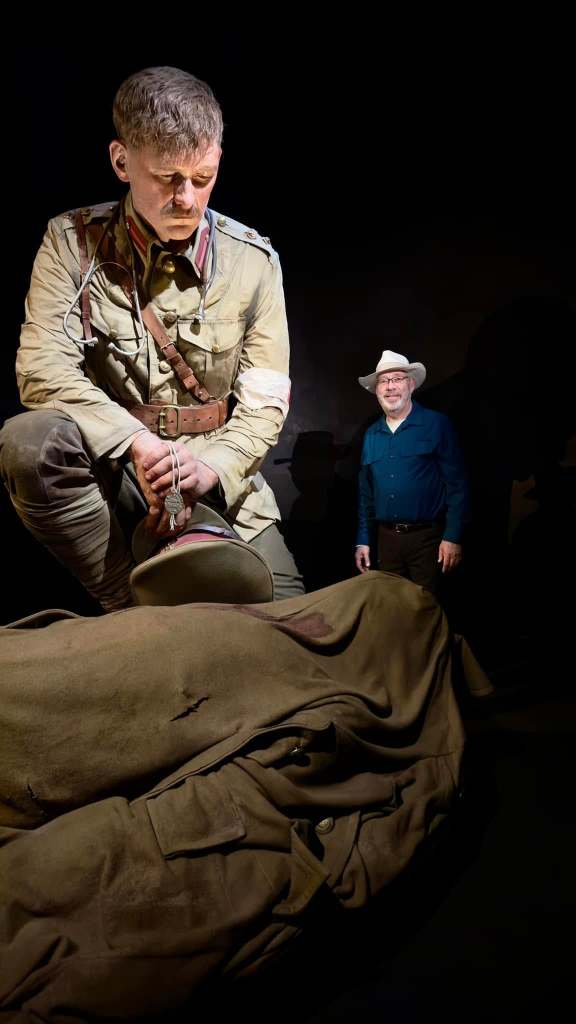
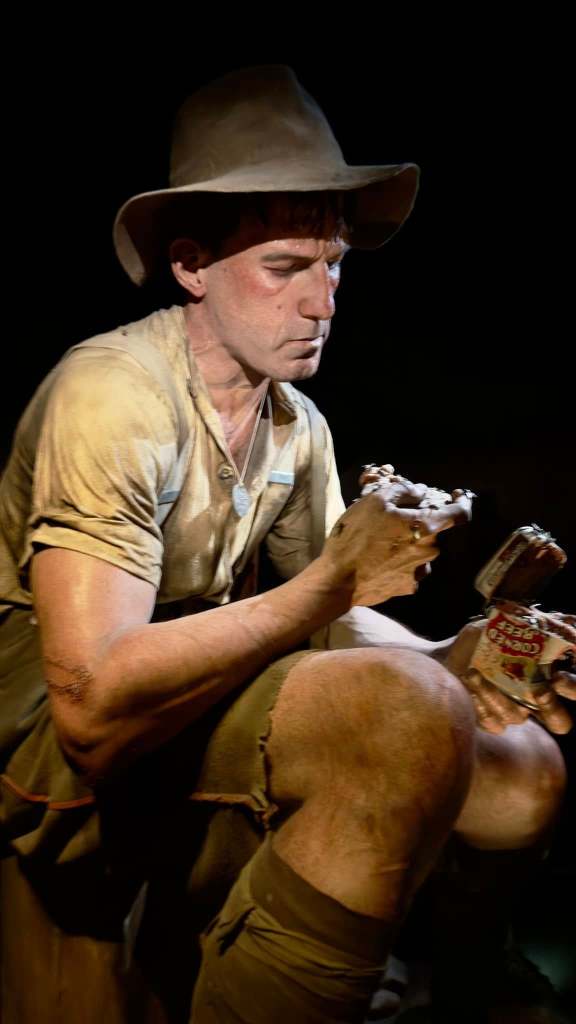
    Another exhibit was a series of stories about New Zealanders who participated in World War I. There were huge statues of people created to be very very realistic right down to hair on the arms and sweat on the brows. It was very moving.

    A very good day for our first visit to the northern island of New Zealand.

    Going over the mountains
    Going over the mountains
    Going over the mountains
    Going over the mountains
    Going over the mountains
    Seal
    big seal
    rugged coastline
    seal and sea weed
    My lovely bride
    my lovely bride and the bum she married.
    wood that has drifted
    flowers will survive
    The line of dark blue and light is where the Tasmania sea and Pacific Ocean meet. Depending on the weather the line moves closer or farther from the shore of New Zealand.
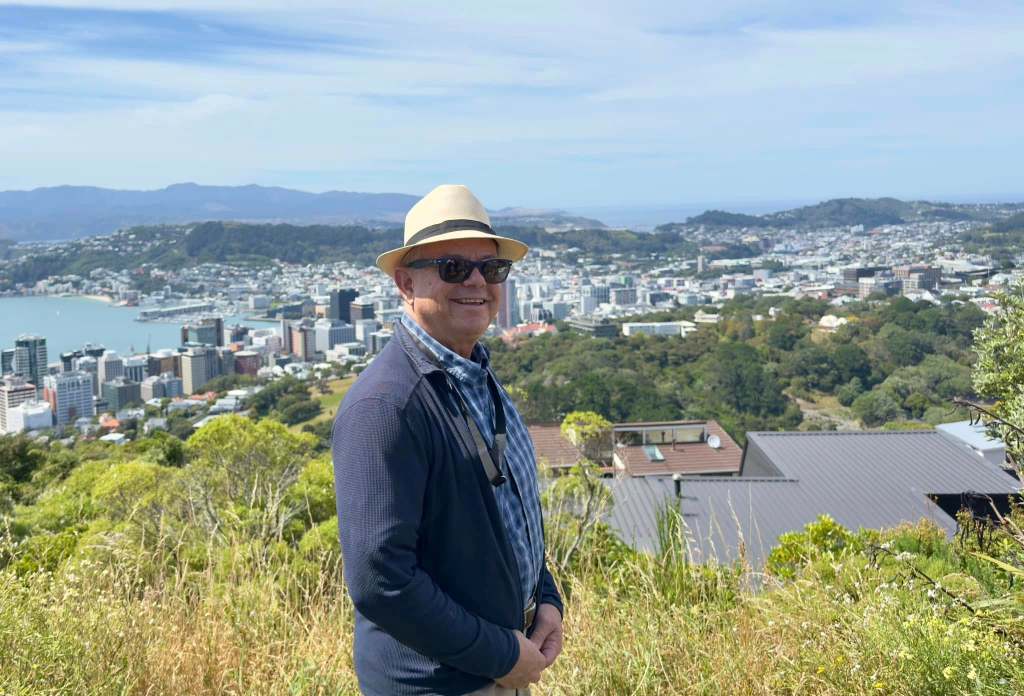
    A stop above Wellington
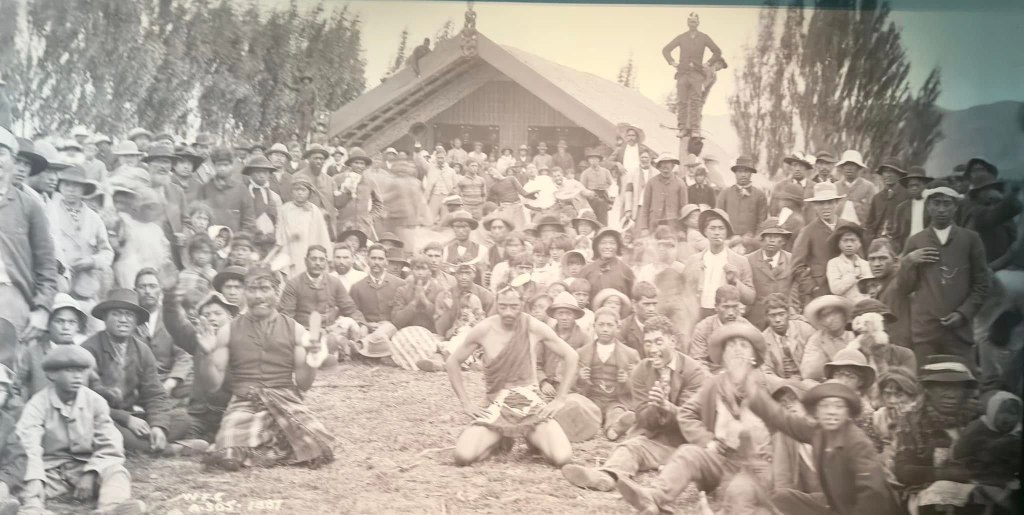
    A family photo from the late 1800’s
    much larger than life display of real soldiers from New Zealand in WW II
    the nurse
    sea birds
    seals are much slower on land.
  • Day 20 February 2, 2025 Christchurch, New Zealand

    The days just keep getting better and better. This morning Frank, Jeanette, Penny and I had the grand experience of riding through the beautiful farmland of the southern island of New Zealand to arrive at a lovely sheep farm that was built in the 1880s. Mary, the farmer’s wife, greeted us. We were given a demonstration of how the sheep dogs are trained and how they work the sheep. It was amazing.

    Then we were shown how to sheer a sheep. The sheep getting a haircut was less than a year old and it was the first time it had been shorn. The first wool is very soft and is typically used to make baby clothing.

    We also learned that there is a proper way to hold a sheep so that they will cooperate. The trick is to grab them by the legs and set them down on their rump. Then one front leg is held between the legs of the person doing the sheering. If you were to put them on their side or their back they would kick and wiggle.

    We were then treated to fresh apple cider and cake that Mary made.

    The ride back was just as beautiful as going out. We had lunch on the ship and then Frank and I took the shuttle bus into Christchurch. The road took us through a long tunnel that made the trip from the port to the city much quicker. In 2011 this area of New Zealand had a severe earthquake that damaged many stone and masonry buildings but the tunnel was virtually unharmed.

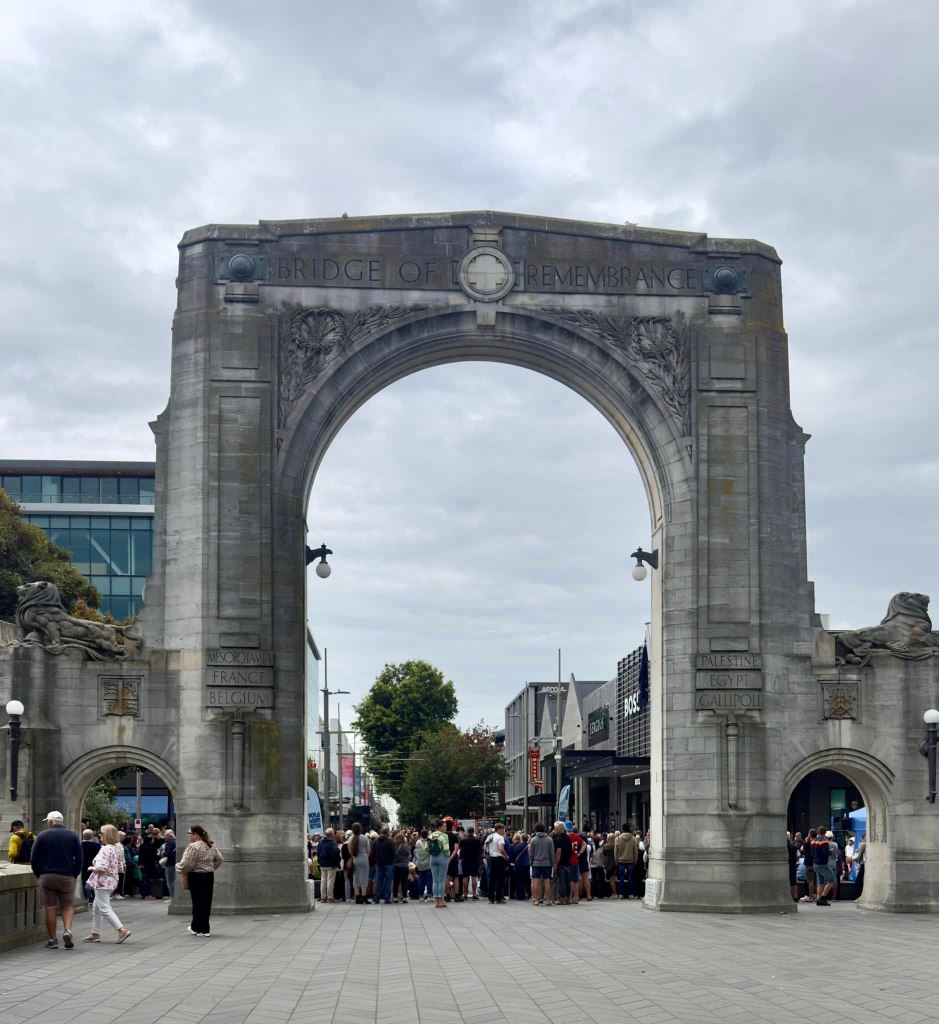
    In town Frank and I explored the area. There was a huge crowd gathered around the bridge of remembrance watching a street performer. He was eating fire and telling jokes.

    We walked several blocks to the Christchurch botanical gardens. It was so very delightful. As you walk just a small distance into the large garden the sights and sounds of the city just faded away.
    The flowers and trees were from many places. There was a large section dedicated to the flora of New Zealand. Today was Sunday and there was a concert going on in one area of the garden. They were playing great music from the 1960s.

    We made our way back to where the shuttle bus was to pick us up and we encountered the area where the street performer was different. This guy was a contortionist. He was squeezing himself through a tennis racket. (The strings had been removed. )

    We then returned to the ship and played cards and ate barbecue.

    Another great day.

    view from our ship
    not all boats are big boats
    New Zealand scenery
    for Pat and Roger
    New Zealand scenery
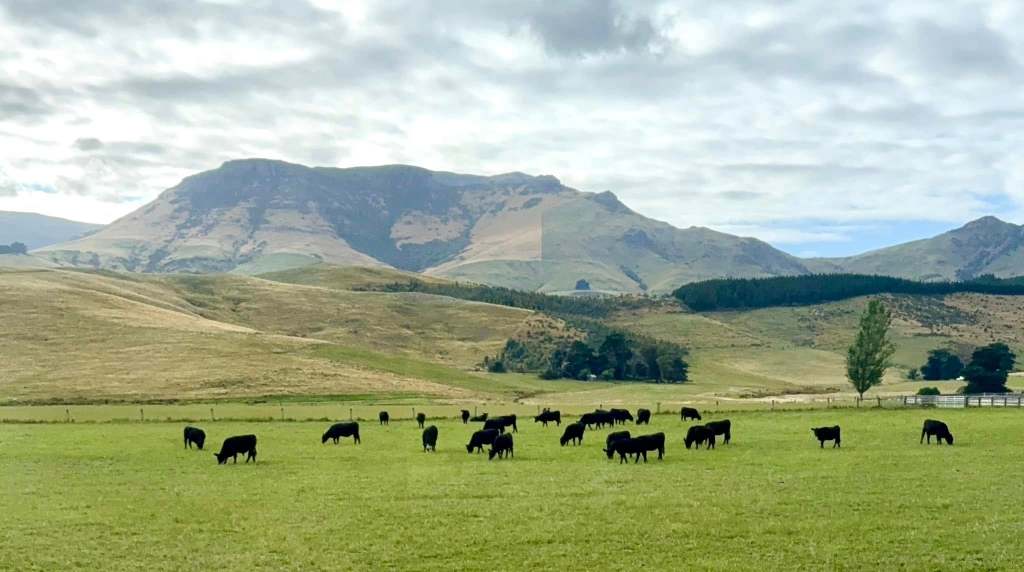
    Cattle
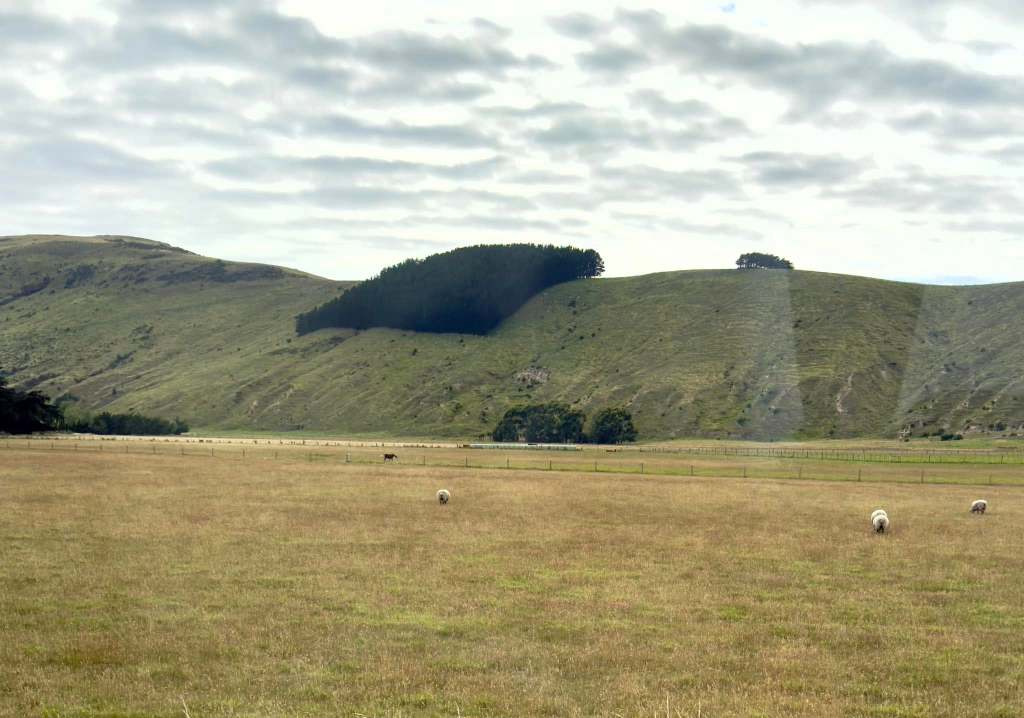
    This square of pine trees, we were told, was planted 25 years ago by a couple of farmers who lived near by. When asked what it was to be used for they said. “Nothing, we just were having a bit of a lark.”
    sheep
    a newly shorn sheep
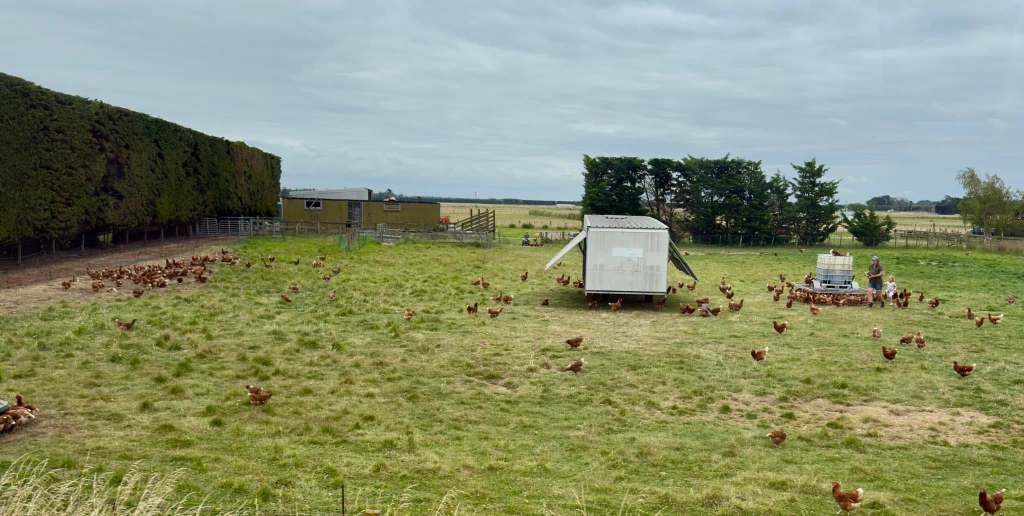
    All the chicken in New Zealand are free range chickens. Both for eating and egg production.
    The bridge of remembrance and a street performer
    Botanical gardens
    fountain in the botanical gardens
    The river Avon (name borrowed from England) runs through the botanical garden
    yellow flower in the botanical garden
    red flower in the botanical garden
    they got togeter
    Frank and the giant leaves
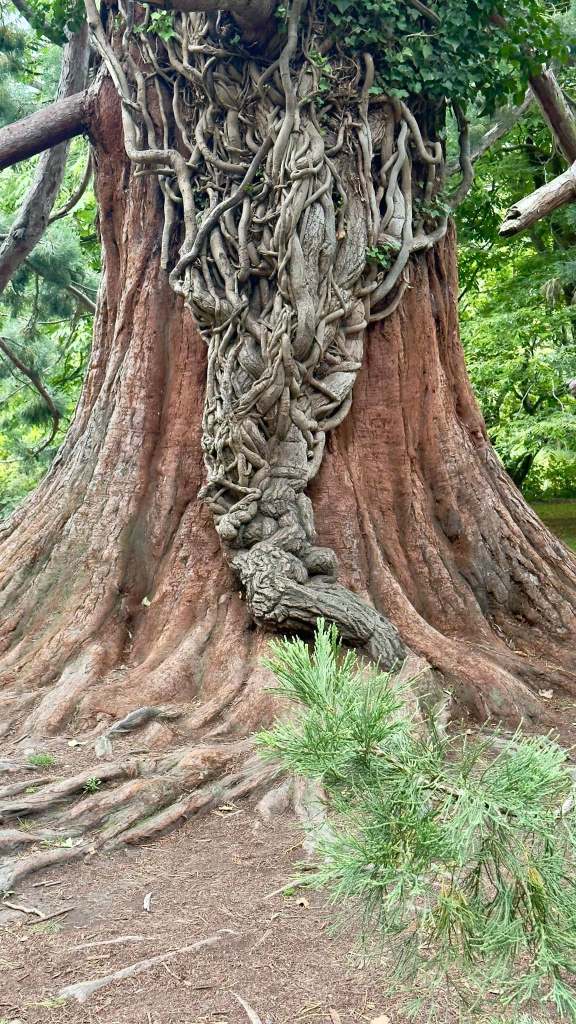
    tree with a goatee
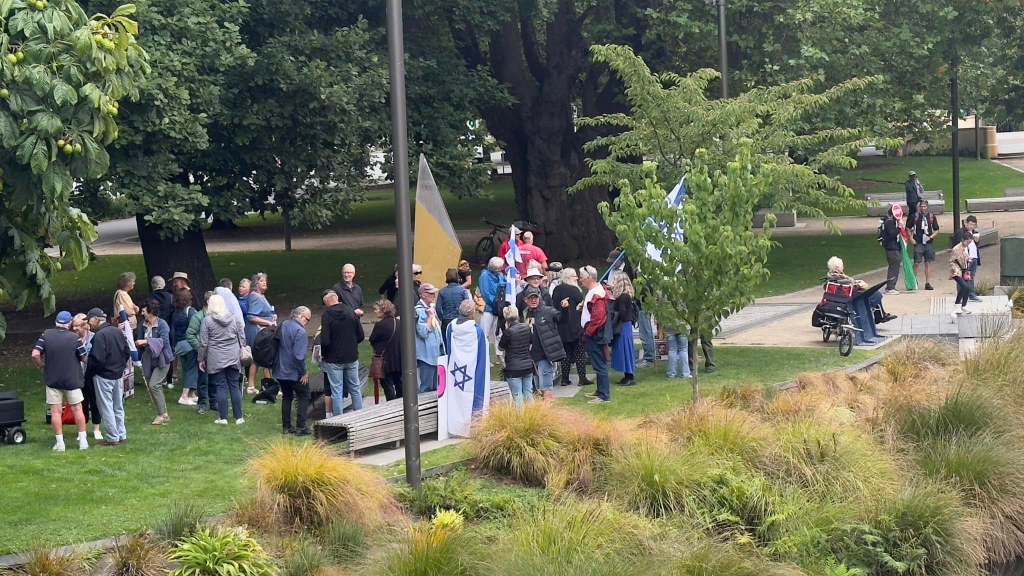
    A protest for or against something.
  • We arrived in New Zealand for another “Wow, I can’t believe we are here!” moment.

    This truly has been a marvelous experience. I have been so very privileged in my life. I have visited place that as a child I never dreamed I would get to see: standing on the Great Wall of China, experiencing the art of the Louvre in Paris, seeing the Sistine Chapel in Rome, the fiords of Norway, and now I get to experience the people and places of Australia and New Zealand.

    Today we visited Dunedin. A city that people from Scotland came and settled here in 1848.

    However the story is the same as in North America, Australia, Singapore and many others. When Europeans came there were already people living here.

    Archaeological evidence shows the first Māori occupation of the wider Dunedin area occurred within decades of their arrival in New Zealand (1280–1320).

    The Scottish settlers brought with them a love of Scotland. The name Dunedin is the Galicia name for Edinburgh. Many of the streets borrow the names of streets from back in Scotland.

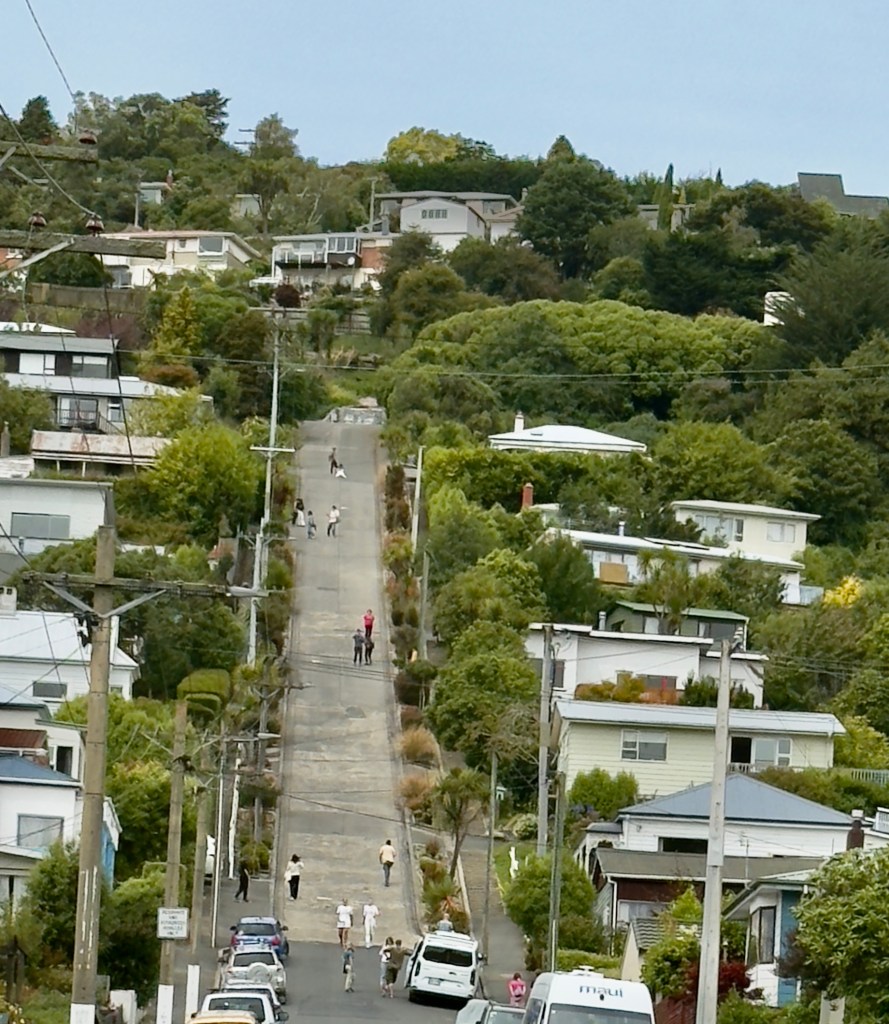
    One of the streets with connection to Edinburgh is Baldwin street. The distinction is the one in Edinburgh is a relatively flat street. Whereas the one in Dunedin has been recognition in Guinness as the steepest street in the world.

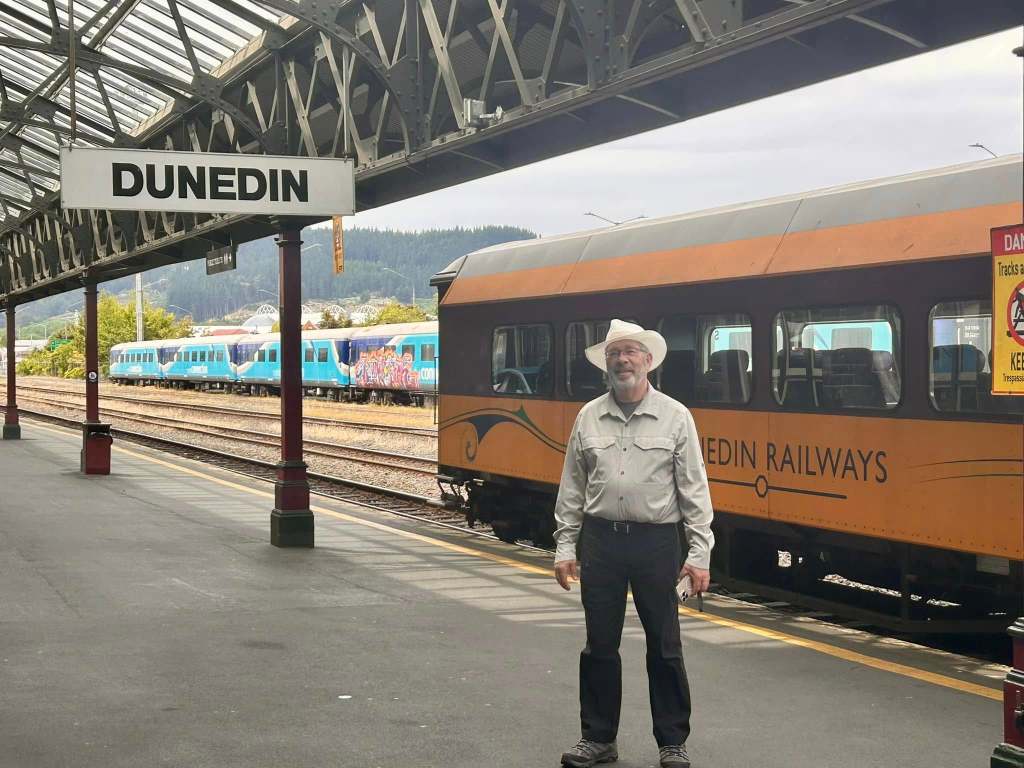
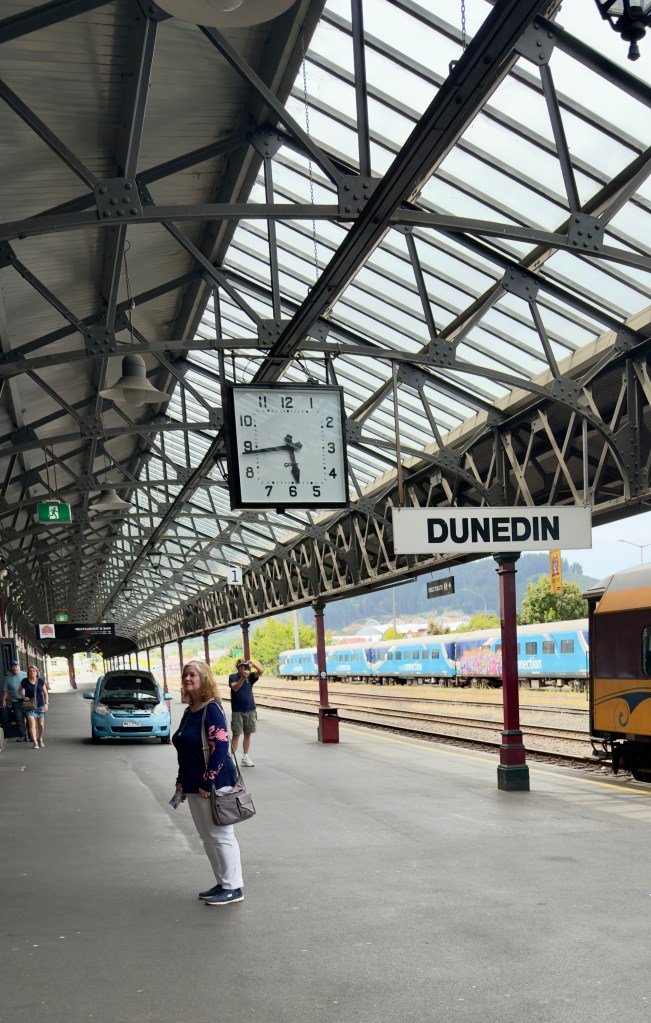
    We also got to visit the Dunedin Railroad station described as a gingerbread style.

    The town is quite lovely and did indeed remind me of Scotland.

    It was a lovely day topped off with a very good performance by our assistant cruise director Ellie. She is a singer.

    Guiness Book of World Records holder in Dunedin
    A very Steep Street.
    A gnome in the garden of the home at the bottom of Baldwin Street
    Flowers in the garden of the home at the bottom of Baldwin Street
    Flowers in the garden of the home at the bottom of Baldwin Street
    We docked in Port Chambers about 15 minutes from Dunedin. This was on the way to Dunedin.
    A little street art
    the railway station
    Inside the railway station decorated to celebrate Chinese New Year that occured on January 29, 2025
    Me at the Dunedin railway station
    Penny at the Dunedin railway station
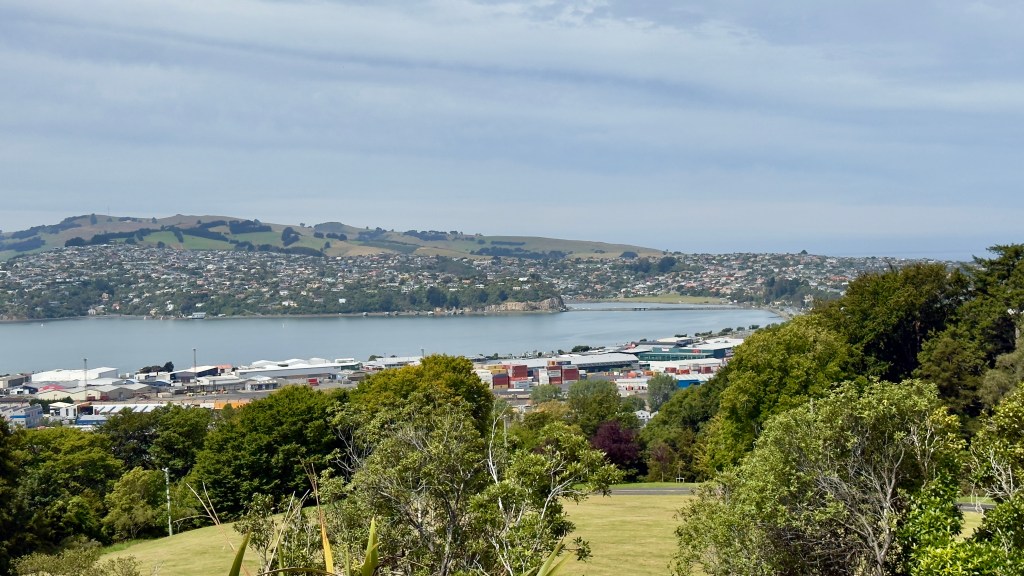
    Dunedin is a coastal town
    Admiral Richard Evelyn Byrd Jr. began his trek to the South Pole from the city of Dunedin.
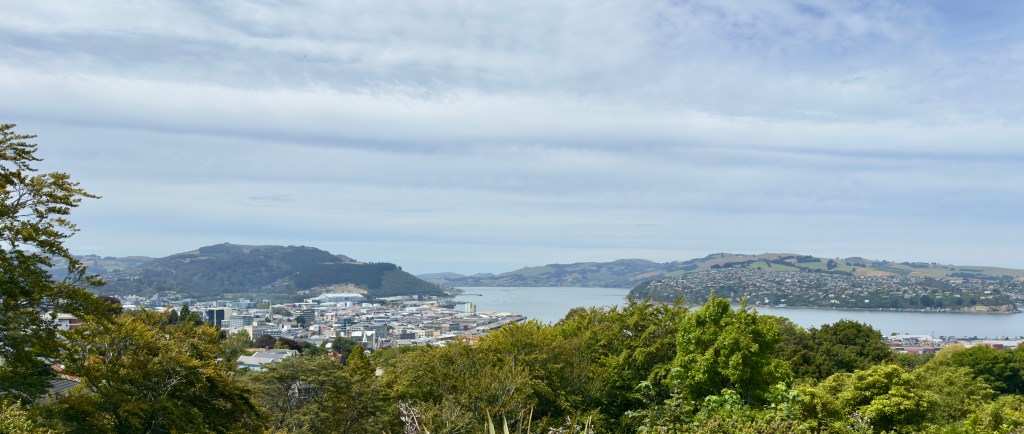
    Looking over the fjord of Dunedin
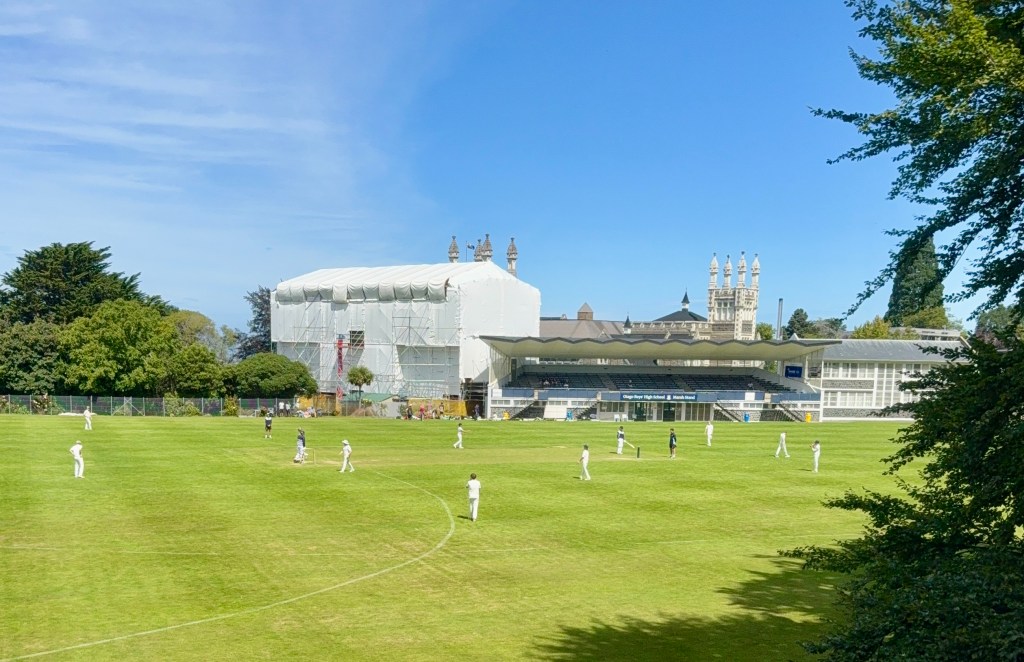
    Saturday cricket match.
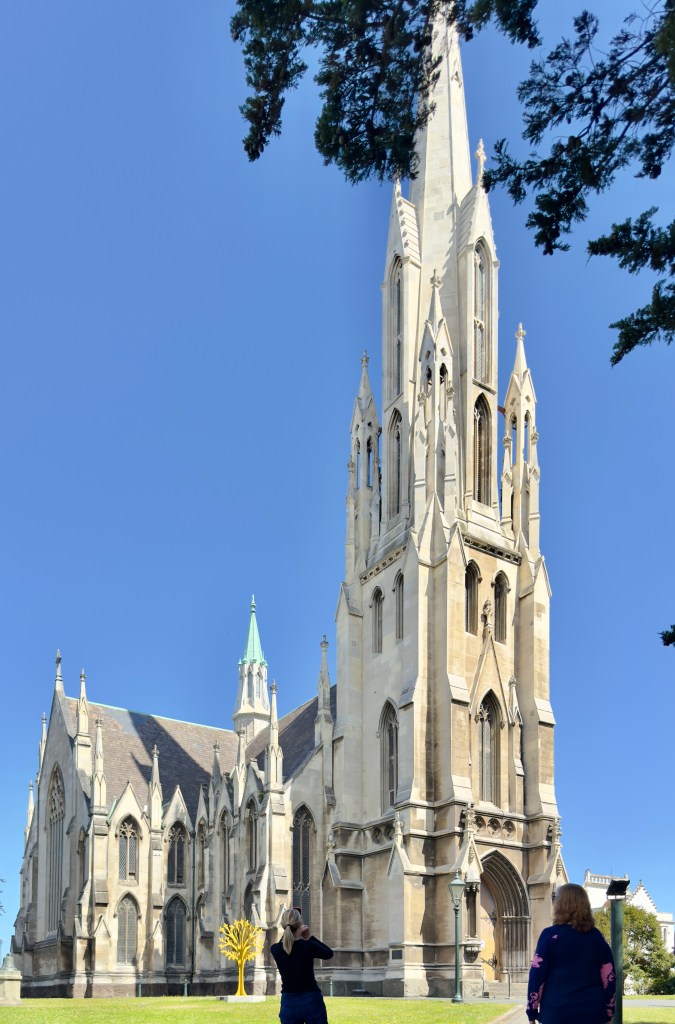
    irst Church of Otago, a Presbyterian church, Victorian-style cathedral, Dunedin
  • Day 18 January 31, 2025 sailing the Tasmania Sea

    I actually had the gumption to go to the health center and do some resistance training. I did not do any cardio training. I figured I got enough of that by taking the stairs up and down.

    It was a relaxed day. There were cards to play. Lunch and dinner to consume. Frank and I went to the historian’s lecture of the history of New Zealand.

    Heard about the Māori people and their ability to navigate by the sun and stars long before European people were able to so.

    It was a good relaxing day. Tomorrow we will be in Dunedin New Zealand. I learned to pronounce the town as done-Eden.

    Picture taking will resume tomorrow.

  • Today was a relaxing day aboard the good ship Orion. We set our clocks ahead last night but I was not about to let the clock people get away with stealing an hour of sleep. I just stayed in bed longer.

    In the morning it was very rainy. The ship was a little rocky but my trusty scopolamine patch and I are doing just fine.

    We ate several times and played cards.

    The show tonight was by the Viking singers and they performed a series of songs from the ABBA collection. They were very good.

    Tomorrow is another sea day.

  • Day 16 January 29, 2025. Hobart, Tasmania, Australia

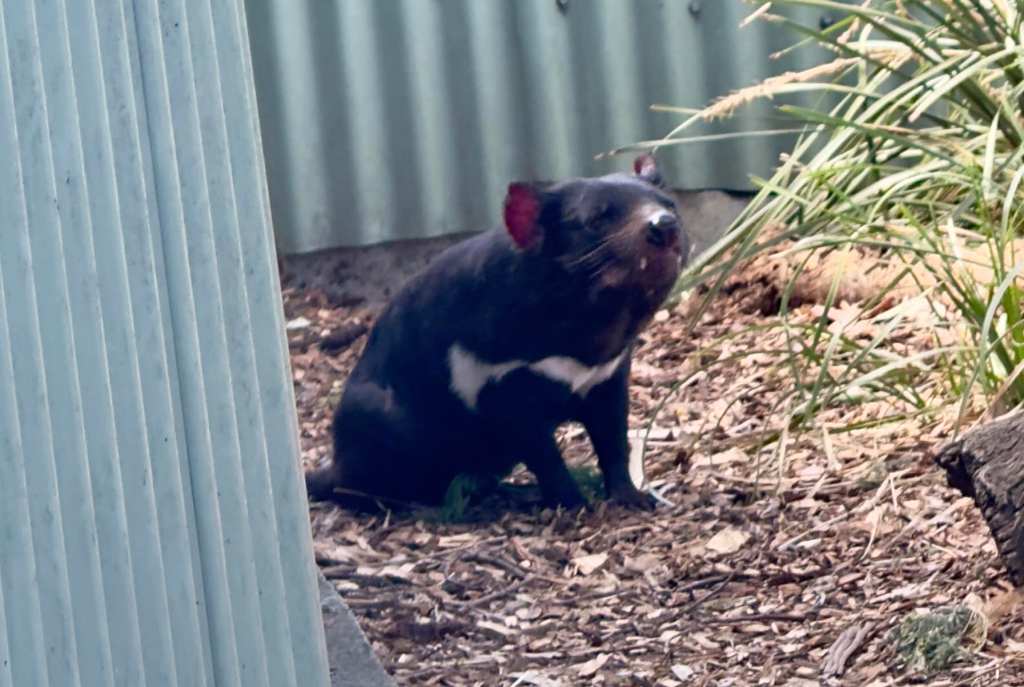
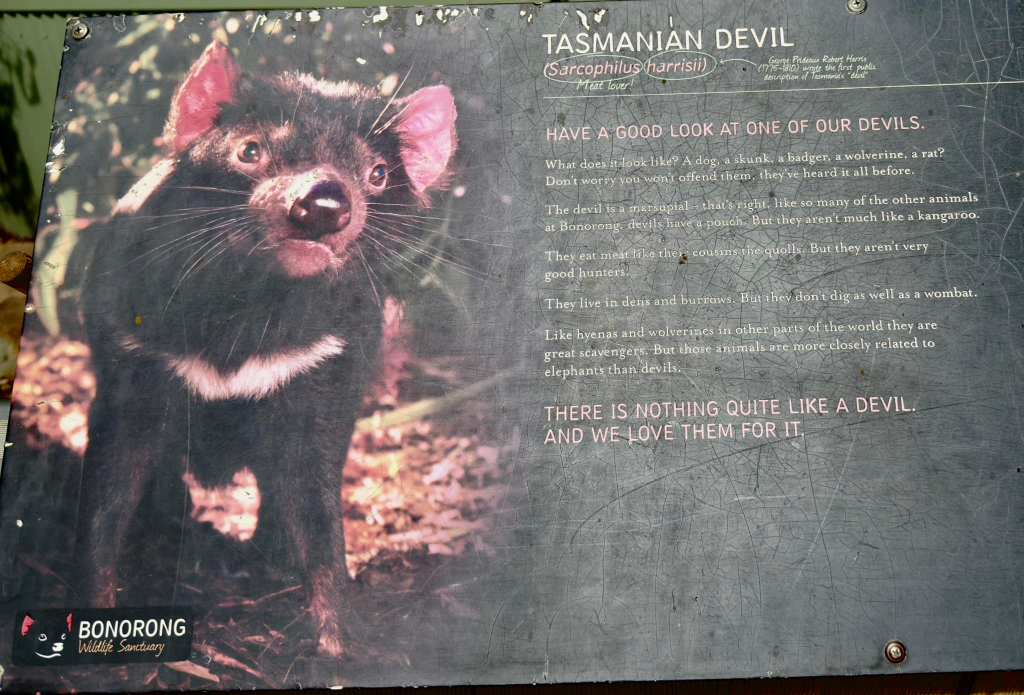
    We are off to see the wildlife sanctuary. We may get to see the devil of the Tasmanian variety.

    I am very glad that everyone who leads us pays tribute and thanks to aboriginal people who were here when the Europeans arrived here in 1856.

    Tasmania is one of the six states that make up Australia. The residents are often asked when was the last time you got to visit Australia. Their answer is they live in Australia.

    The island state is 240 kilometers south of the Australia mainland. It has a population of 579,000 people in the entire state. Hobart, the state capital, has a population of 265,000. In 1975 the Tasman bridge collapsed after being hit by an ore carrying ship. They still talk about it around here.

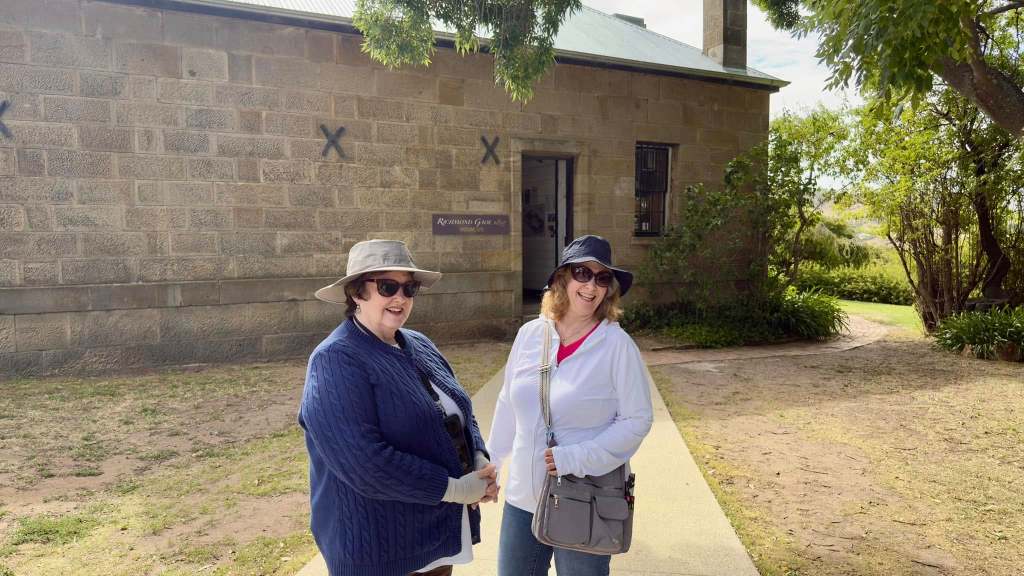
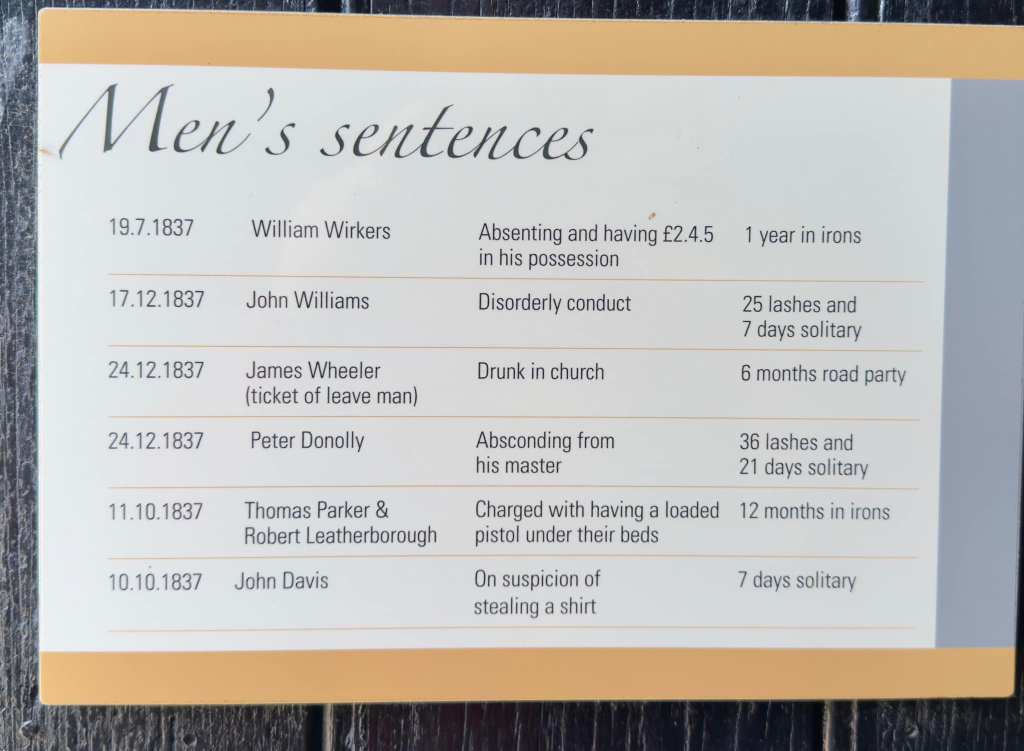
    Our first stop was the town of Richmond. It was here that convicts from England first landed and the prisoners were placed, men and women, in the oldest jail in Australia. The good folks spell jail like this: gaol.

    It was difficult to consider the cruel punishment that the prisoners endured.

    From Richmond we drove to the Bonorong wildlife sanctuary. The island is crowded with lots of wildlife and there are cars. Many animals are struck with cars and are in need of care. And here they find that care.

    I had a great time seeing the animals in their care. It is not a zoo. The goal of the organization is to treat and return the animals to the wild. Some are not able to and the sanctuary becomes their new home.

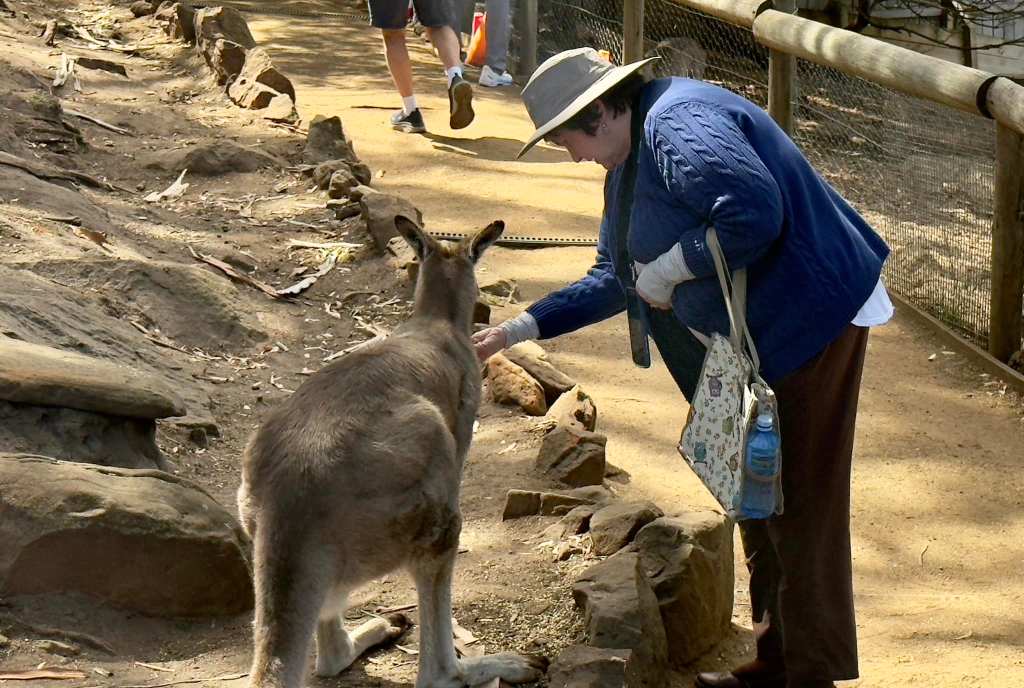
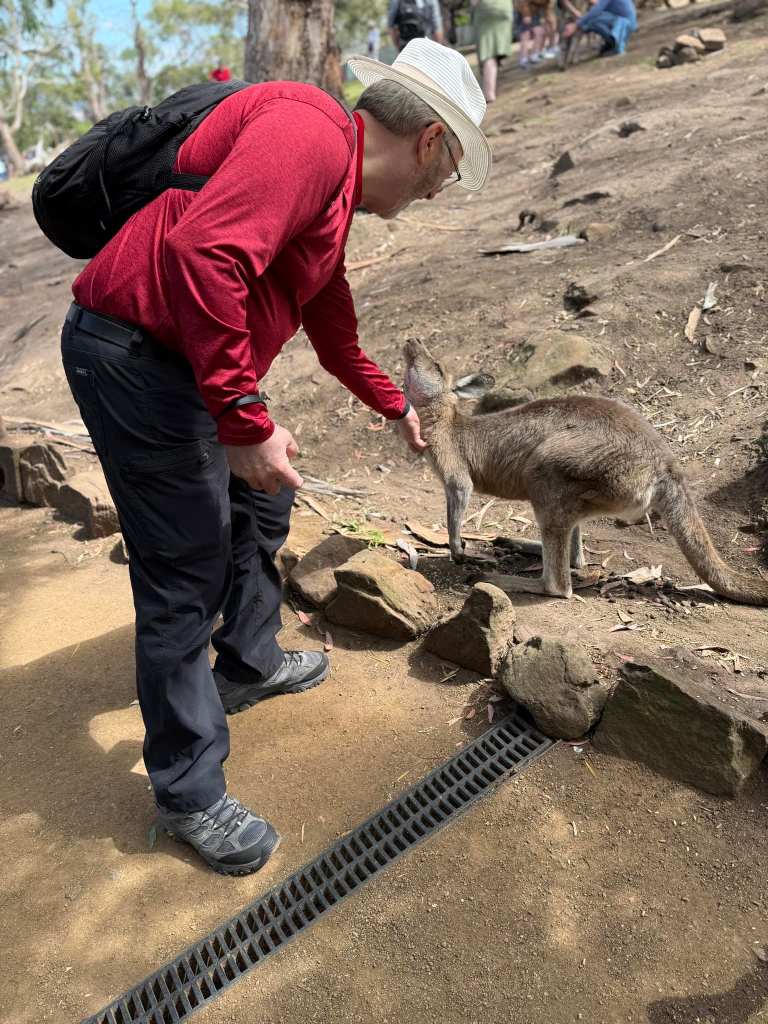
    I got to pet a kangaroo!! Fun times had by me.

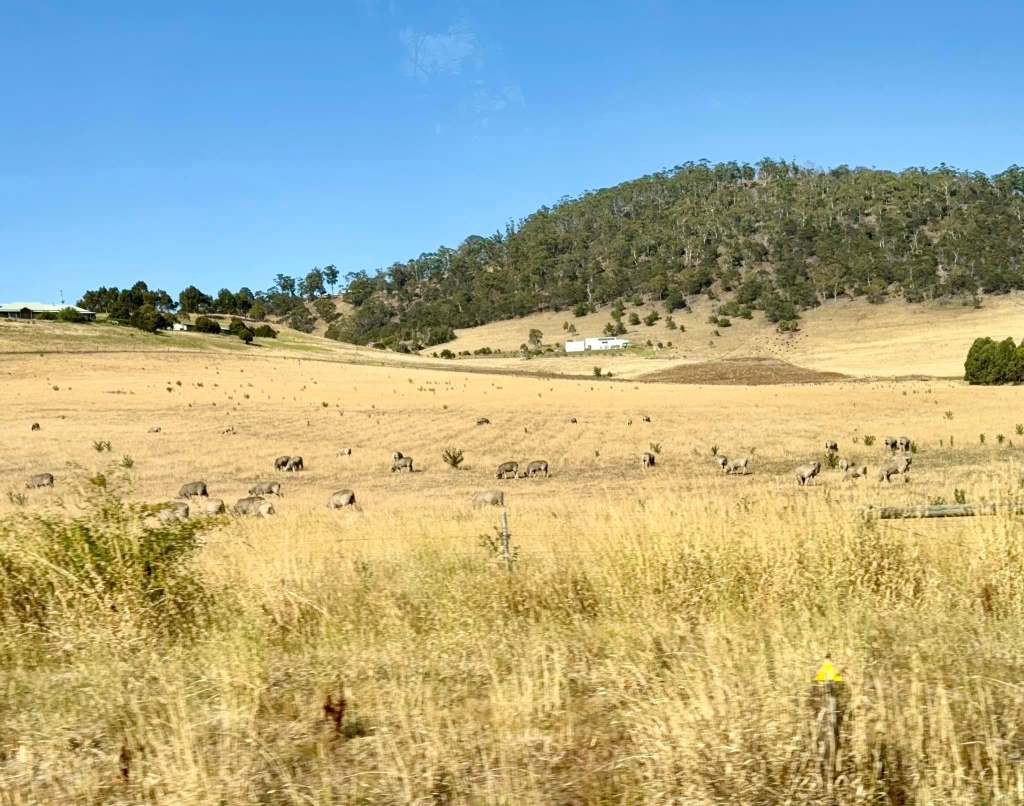
    Tasmania county side
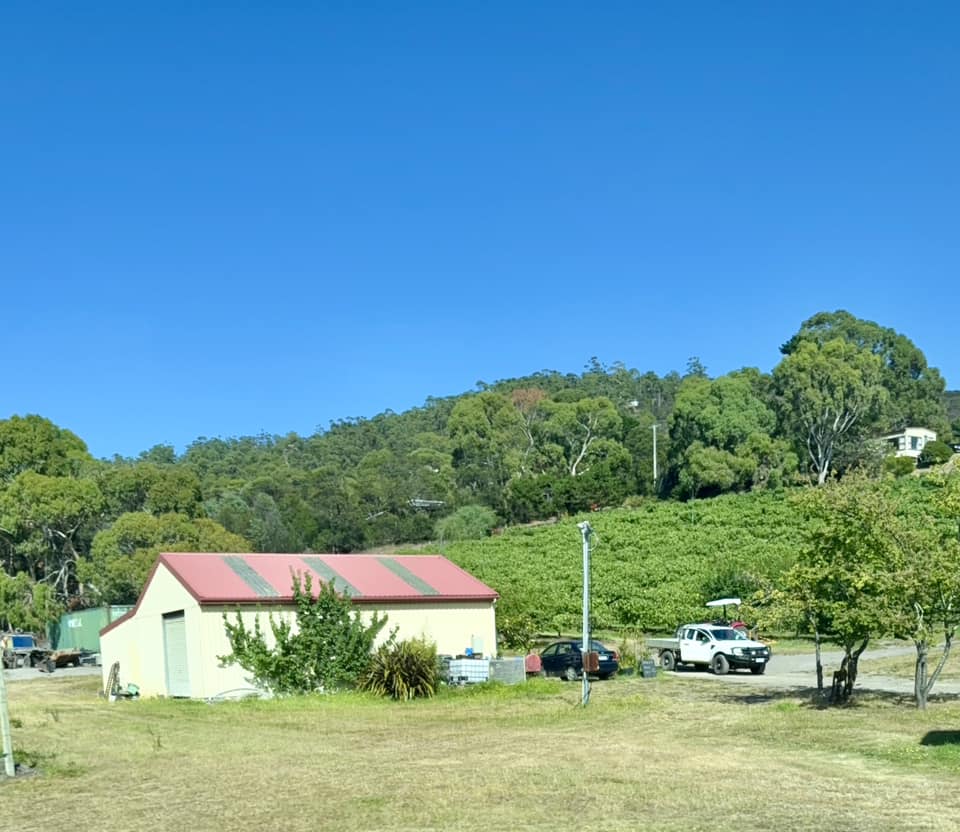
    Tasmania farm
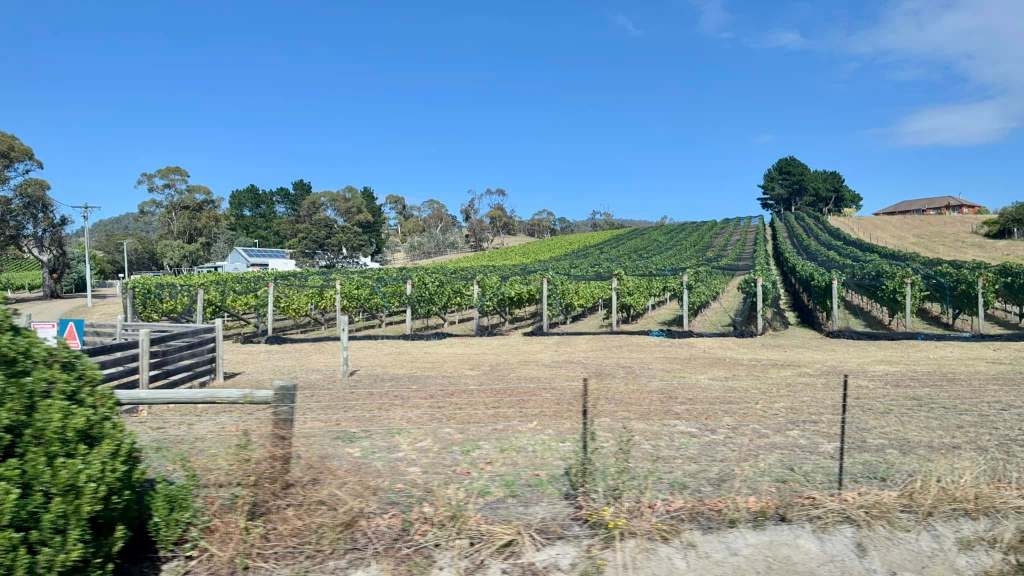
    Tasmania vineyard
    In Richmond the first and still standing convict built bridge
    Okay. Do you give up? The sign says Richmond Jail.
    Two new convicts ready to serve their time
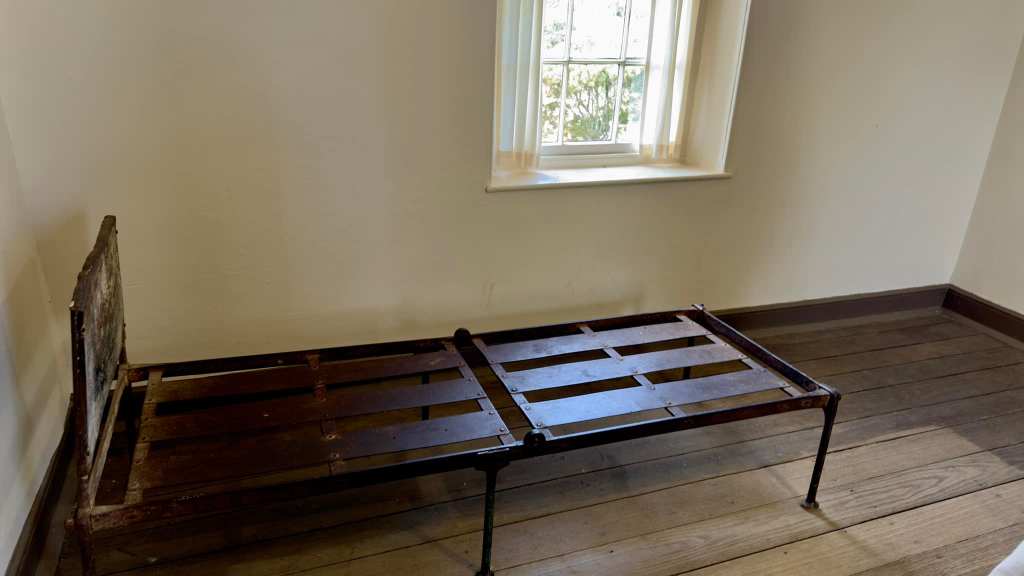
    It isn’t a sleep number bed
    I am not sure how well cellophane tape will substitute for duct tape for this repair
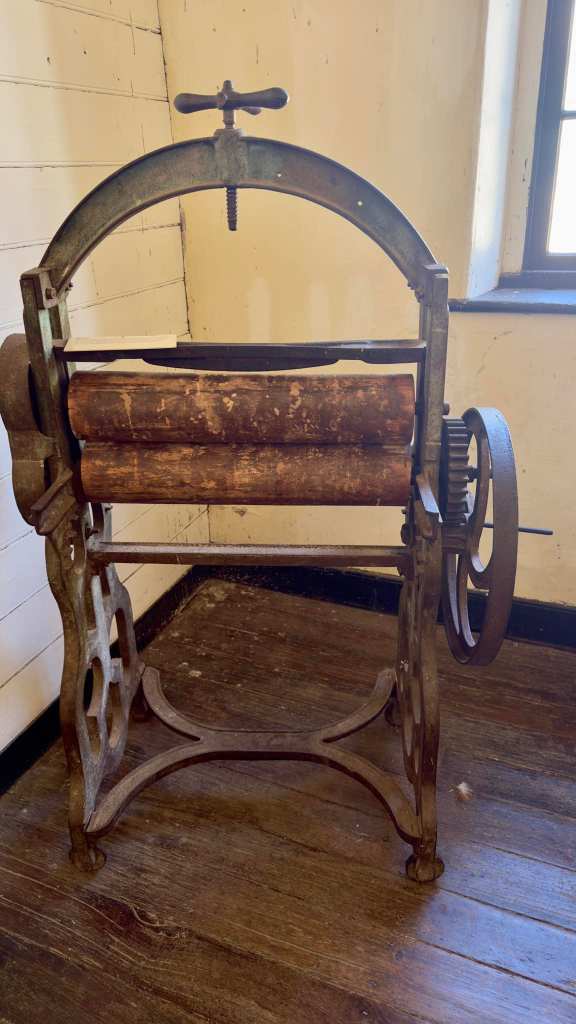
    Grandma just called this the wringer on the washing machine that was on the back porch
    The Mangler
    Sad
    solitary was not a very large space
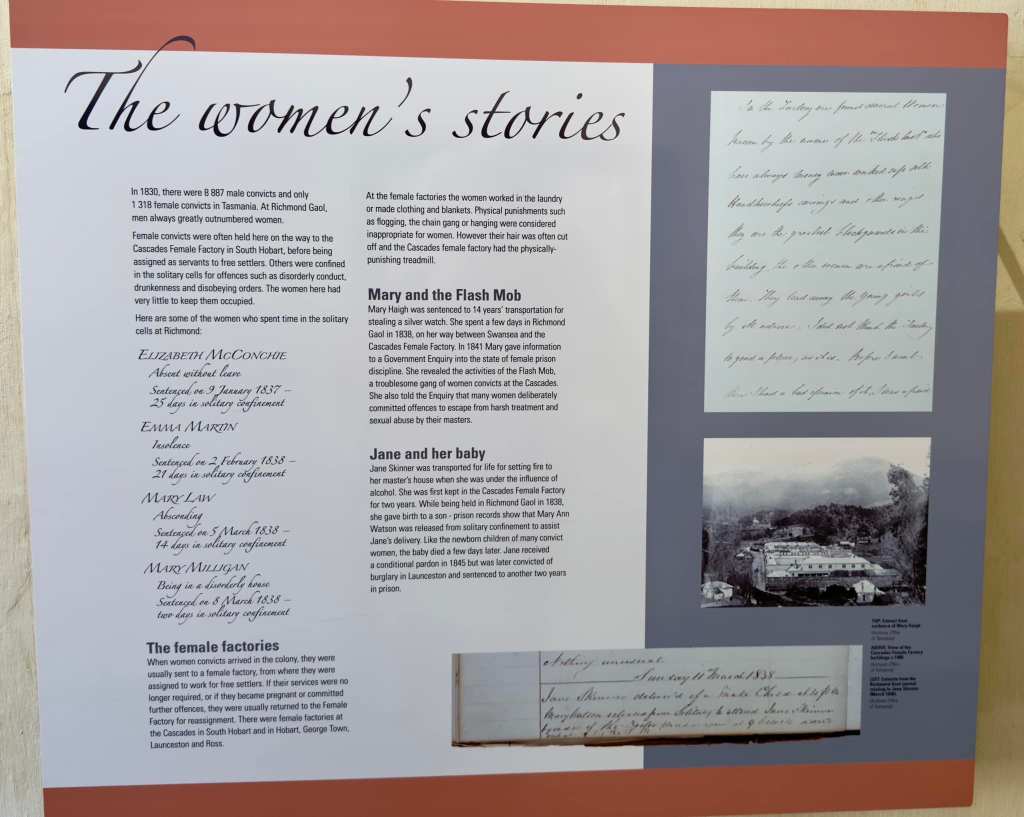
    Note any differences between women and men offenses
    Note any differences between women and men offenses
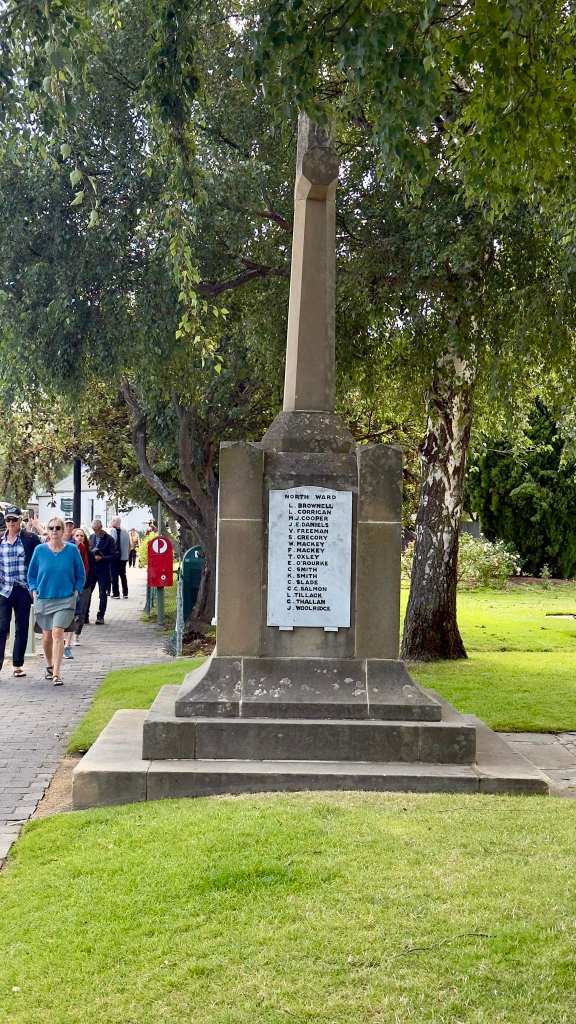
    WW I Memorial
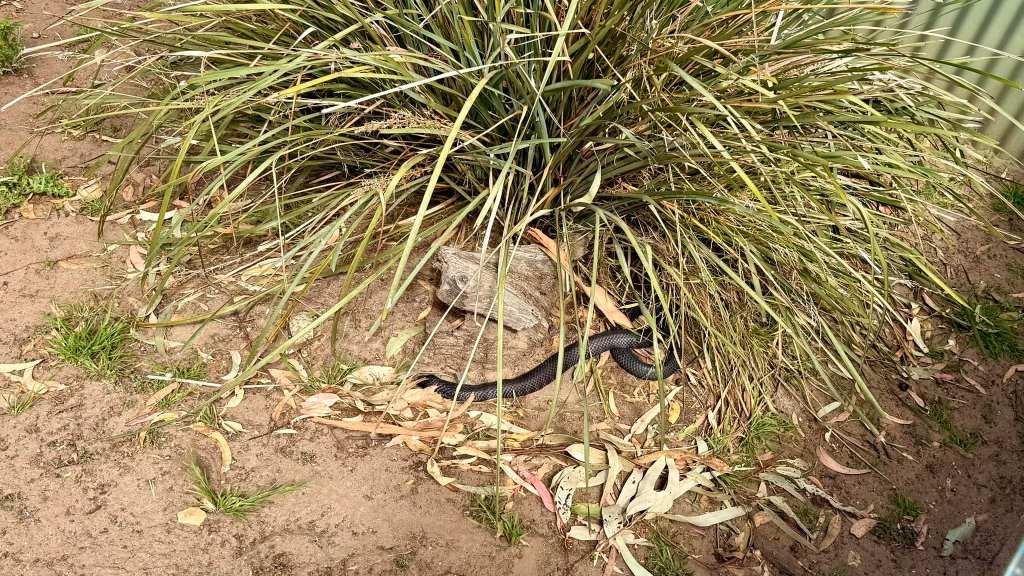
    snake
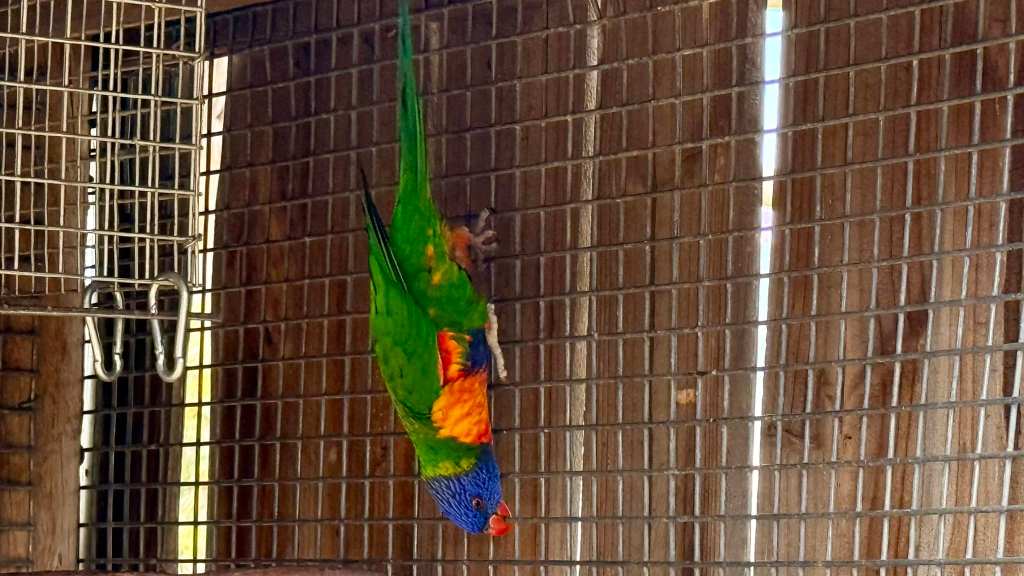
    Rainbow parrot
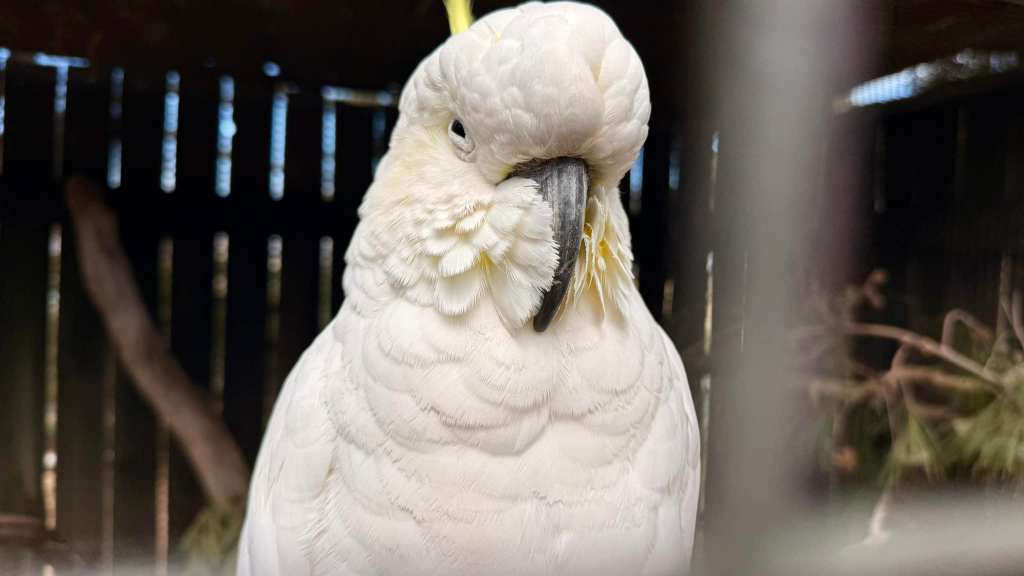
    Cockatoo
    Blue Parrot
    Black parrot
    Devil of the Tasmania variety
    Jeanette and the kangaroo
    Ray giving the kangaroo a neck and chin scratch
    Kangaroo close up
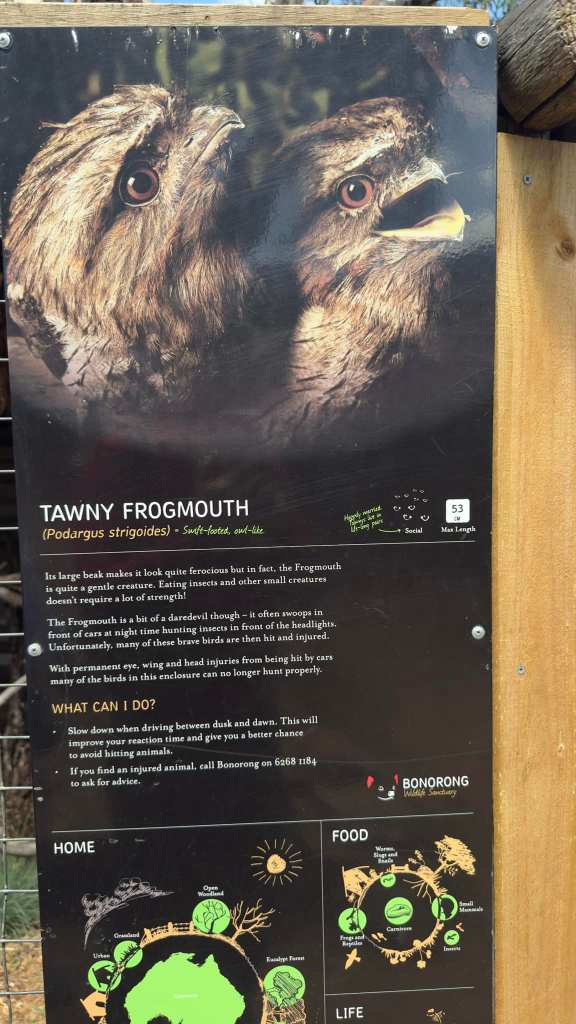
    tawny frogmouth
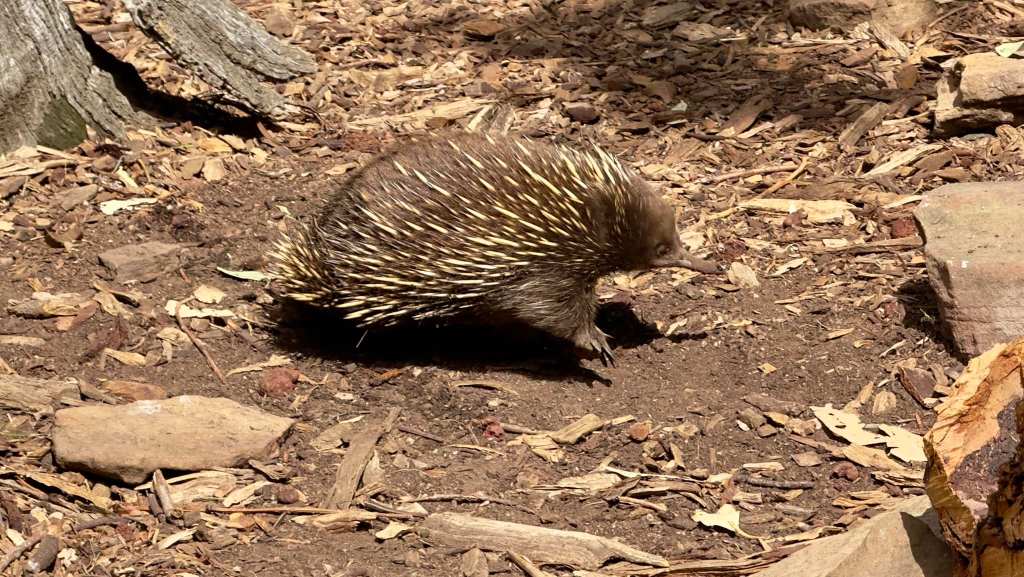
    Short beaked echidna
    Blue tongue lizard
    Frank the lizard