Today was a day of learning to observe what is going on in a community with mostly our eyes and ears. We were escorted into the city of Barcelona and the smart ladies and less smart men were split into two groups. Matt took the men and Michelle took the women and we walked through the streets of the Raval Neighborhood.
Raval is one of the oldest areas of Barcelona. We were instructed to look and listen and to see if we could tell who lives here, what cultures might be represented. what kinds of job they might have, where they might live, what would indicate that the individuals had achieved some measure of success or achievement. We asked not to take photographs as we made our observations so as not to interfere with our physical observations.
My first observation was of a couple of orthodox Jewish men walking. Not far behind was a few traditionally dressed Muslim women. We walked by the University of Barcelona Medical School, the institute of Catalon Studies. We saw what appeared to be students in the neighborhood of these schools. There was a hospital.
As we turned down a street there were many more shops. Out attention was drawn to a store selling hair wigs and hair products. The boxes in the window had many different products that were from many different countries written in different language. The languages on the boxes were Sanskrit. Arabic, Hebrew, and several others.
There was a clearly middle east sweet shop that had things like Baclava. I had that in Turkey and it is delicious.
There were many blocks with a dozen cell phone shops. How do they all stay in business? We were told that they were generally used as money laundering store fronts for the local criminal enterprises.
One block had a couple of men standing on each end of the block and several women were seen standing in doorways. This was about 10:00 AM and we were told many more would be around later in the day and evening. This, we were told, is the place where women were often trafficked here from some poor country and forced into prostitution.
We saw store fronts where people were making garments. Another one that had people ironing what looked like sheets. These were likely for one of the hotels in the area.
We were told, not observed, that the order established in 1950 by Mother Teresa called Missionaries of Charities ran the second largest feeding centers in the world right in this neighborhood.
Is this a place where ministry is needed? It depends on what kind. There are lots of things that people can get when they live here. All citizens are given health care. Undocumented immigrants who have emergency health needs (including tourists like us) can receive free health care in Spain.
It was an interesting morning.
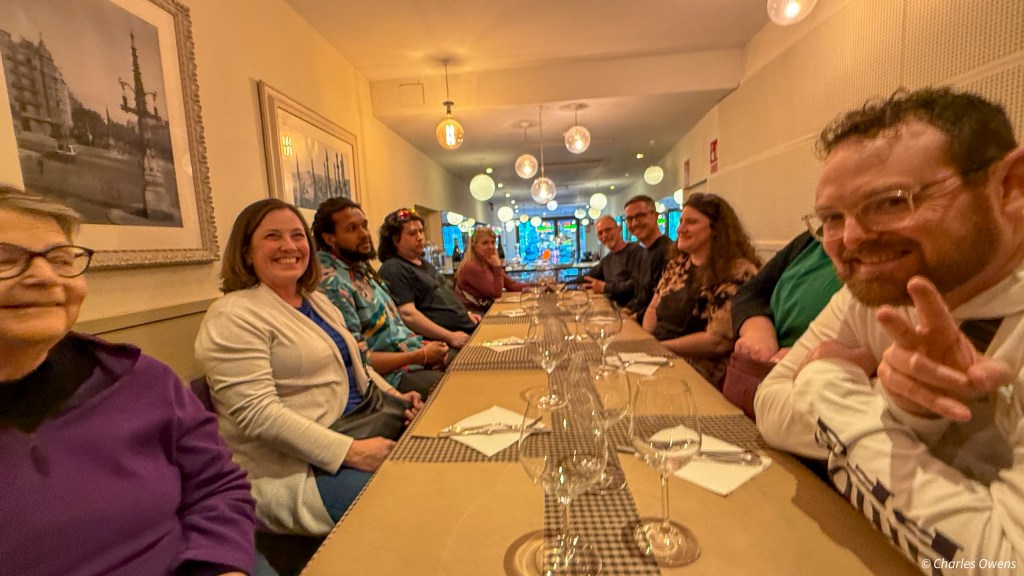
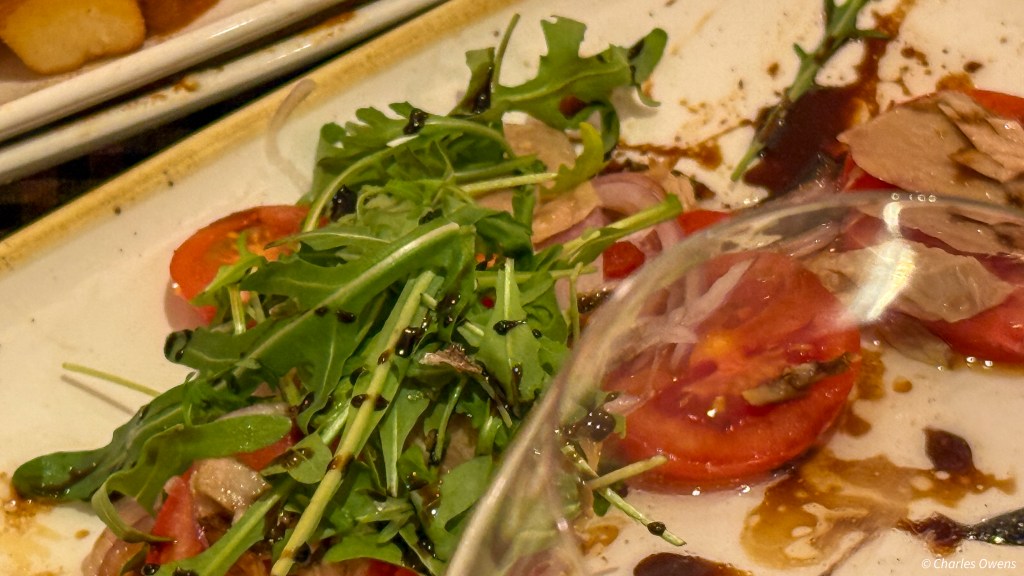
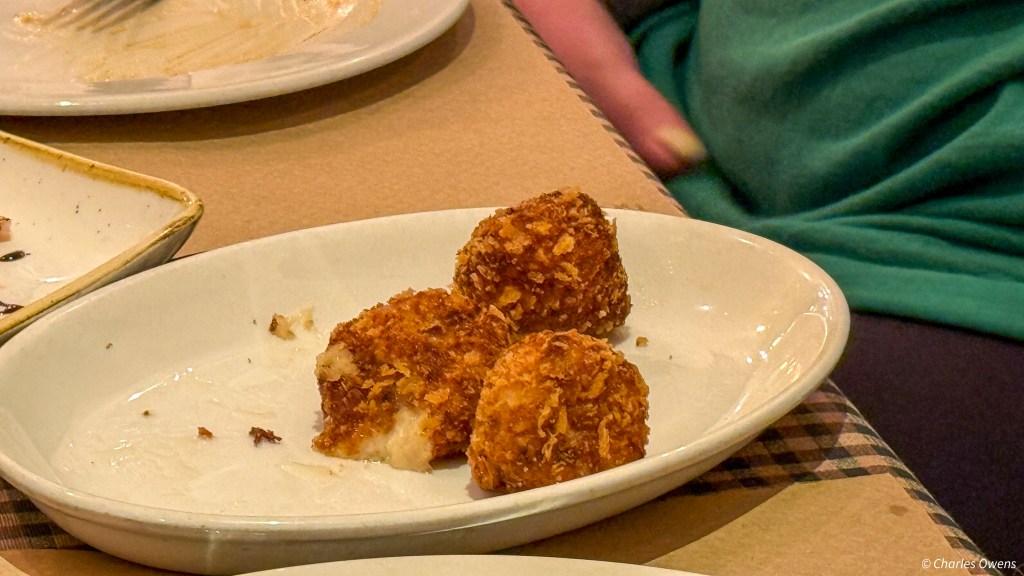
We had lunch at Café Moderno which is located off the beaten tour paths of the city. The food was abundant and wonderful. Tapas were served and we had the crockets (fried gravy balls) again and they were delicious again. There were potatoes with, tomato covered toast with ham to put on them. There were fresh tomatoes with onions, olive oil and kale.
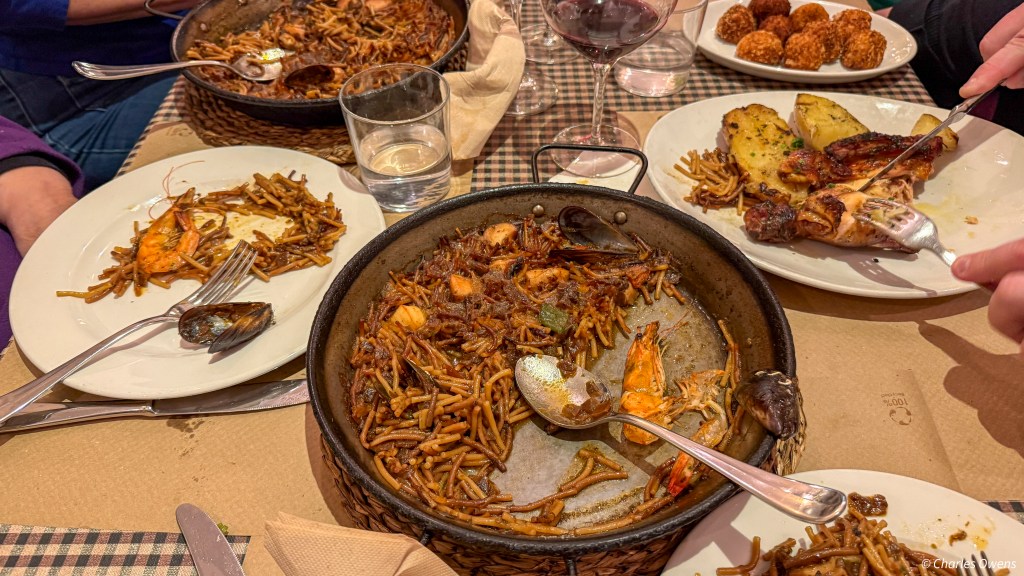
Then we had preordered the main courses. There were 3 options about half chose the thyme chicken with potatoes and the others had the seafood fideua. This is cousin of the Spanish paella, which is a rice dish with mixed in seafood or other meats. I have had that and loved it. The fideua is made with vermicelli noodles rather than rice. I like the Paella better but this was very good. It was served in a skillet about 10 inches. Everyone said they could not eat all that after all the tapas. It turned out that it was only about a quarter inch thick but I still could not finish it. I did manage to eat the ice cream for dessert.
After lunch we were taken on a tour of the Gothic (old) part of Barcelona. This is where the millions of tours hang out on the ramblas (a walking tour trap). The whole area is under construction so the crowds felt even more crowding.
We walked by “el call” which is the old Jewish quarter of the city. Several centuries again where plagues and contagious illnesses were common. The non-Jewish communities all would get sick and many would die. They began to notice that the Jewish folks were far less likely to become sick. This was due to the rules on cleanliness that they followed. But of course, the non-Jews did not understand this and rumors sprung up about the Jews poisoning the water. This resulted in a massacre of the people living in el call. Sad part of the world’s history.
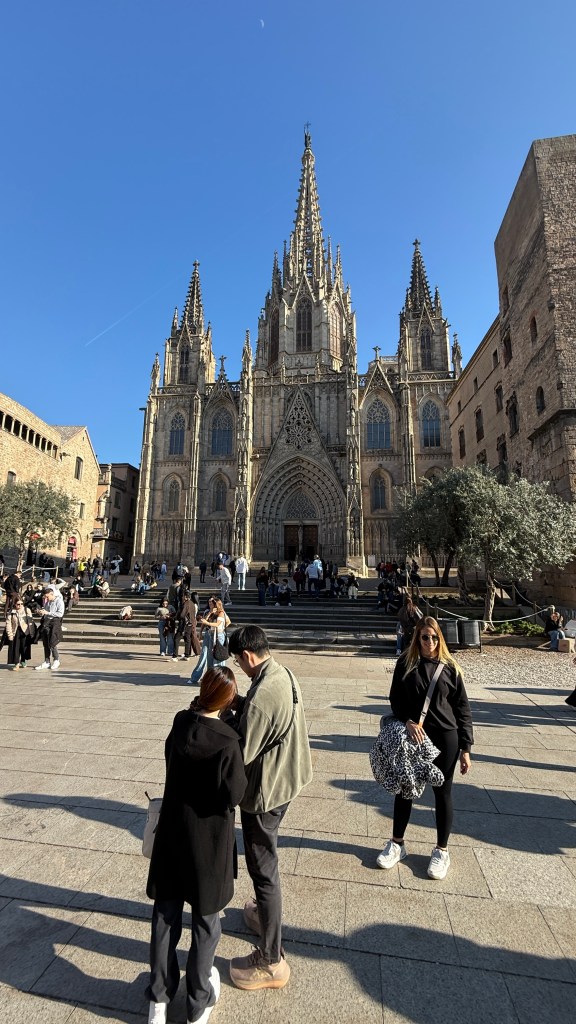
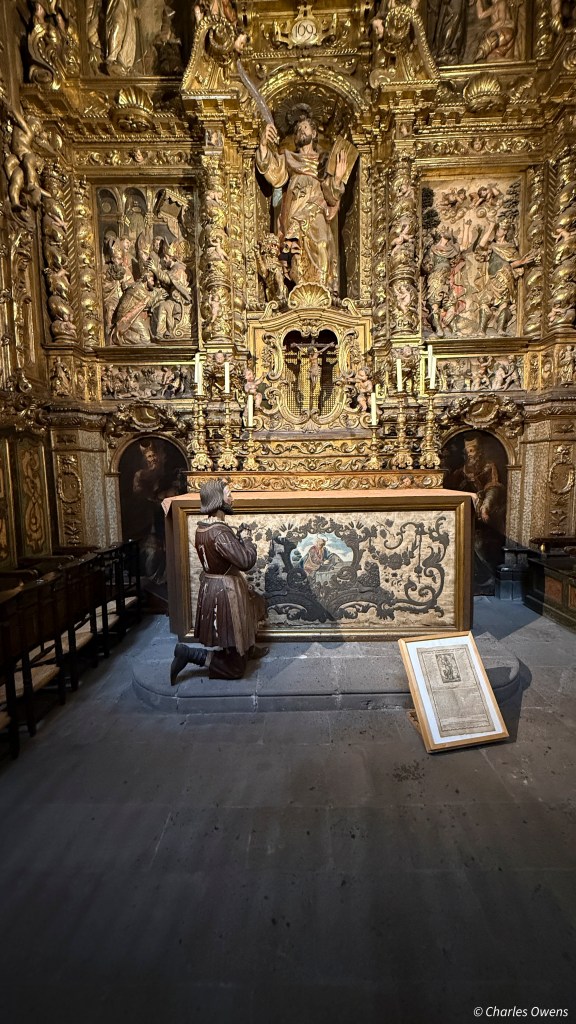
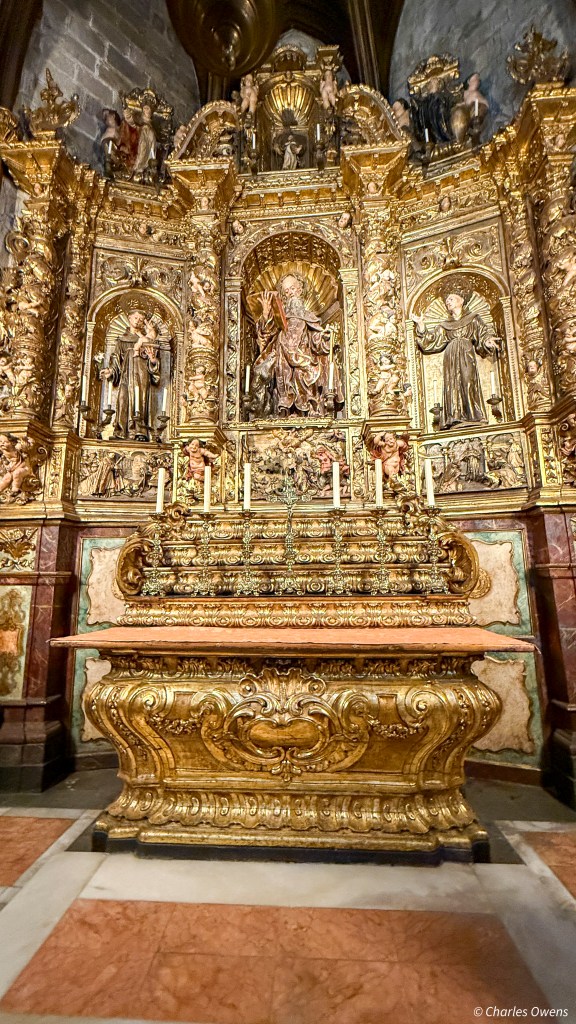
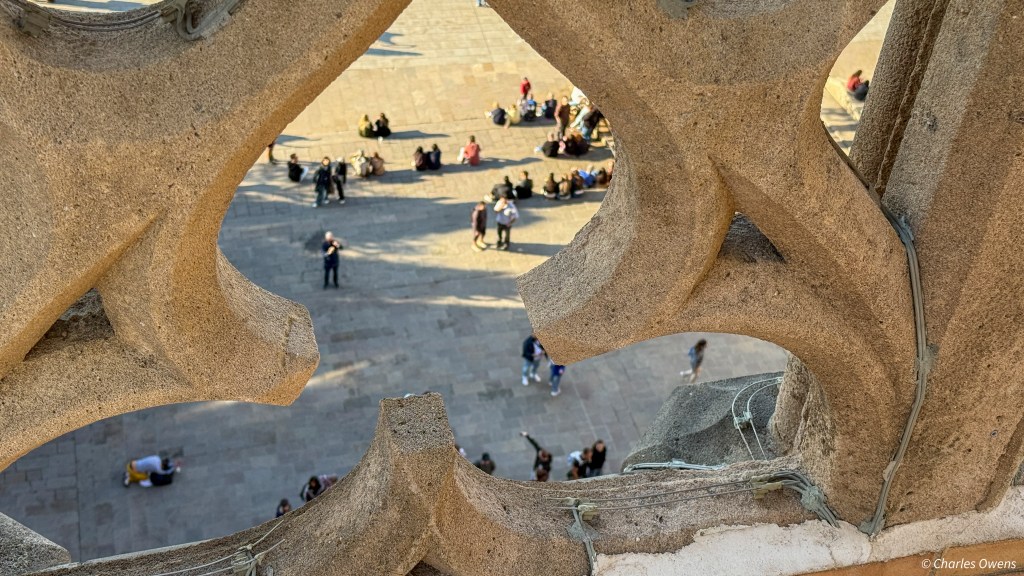
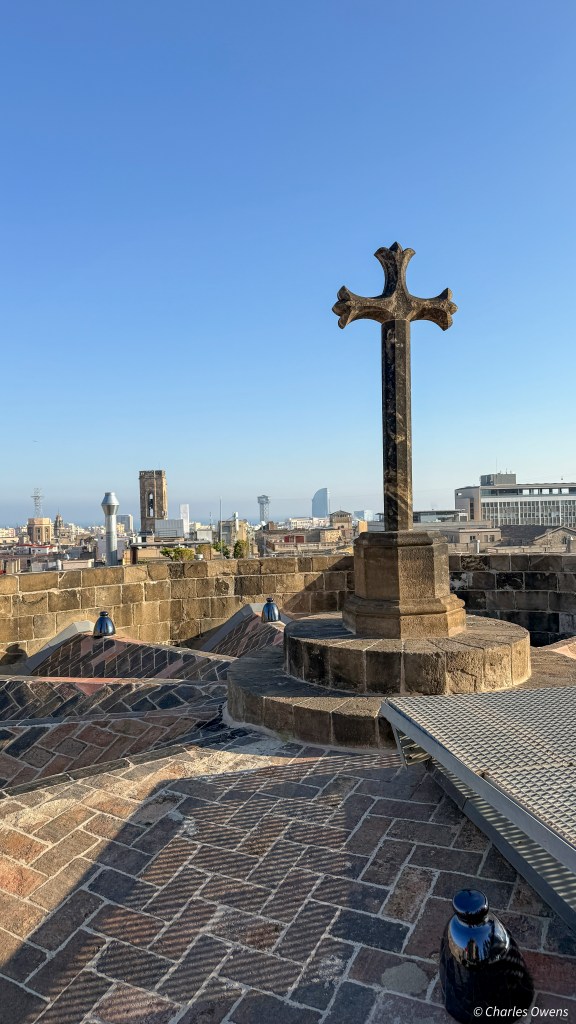
All so in this area is the Barcelona Cathedral. Although the Gothic Cathedral is very old, built between the 13th and 15th centuries. However, the ornate façade on the square side of the building was only added in the late 19th century and finished in the early 20th. It is pretty impressive. Karen and I went in and got to enjoy the beautiful organ music while we were there. We rode the elevator (not original) to the roof and enjoyed the stunning cityscapes.
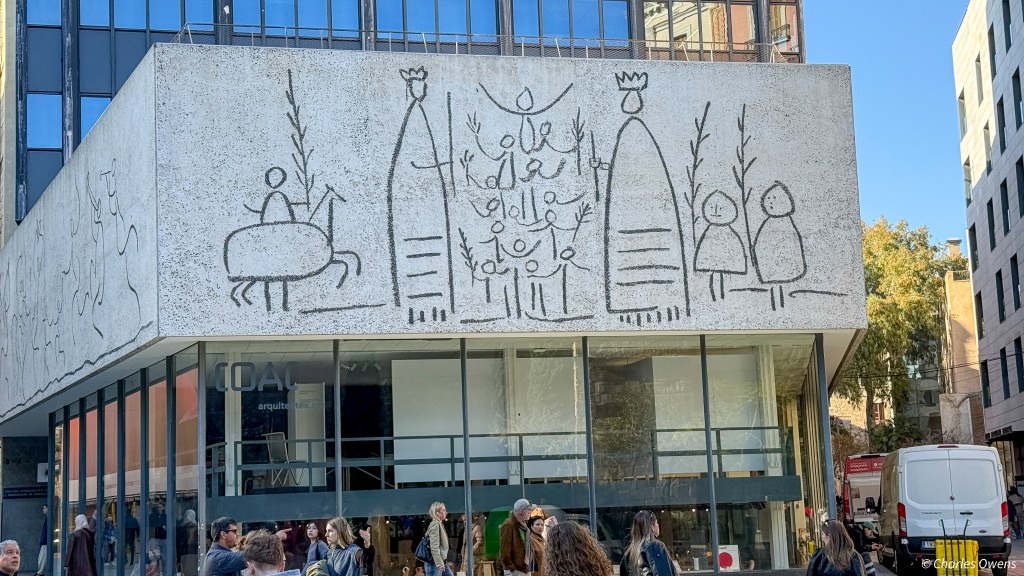
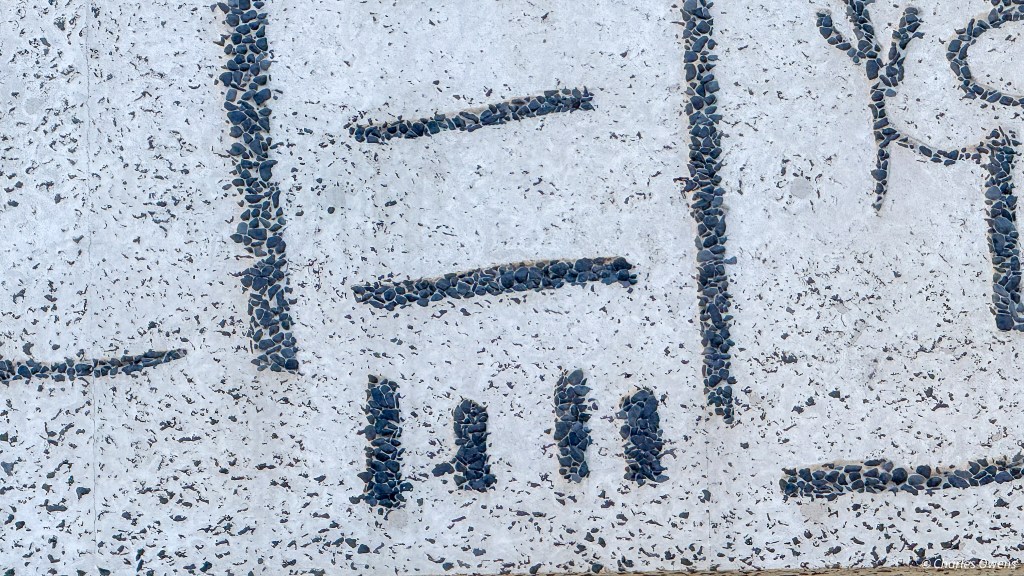
We also got to see the largest “painting” by Pablo Picasso. It wraps around a large government building in front of the Cathedral. It looks from a distance like it was painted on the concrete walls. But when you look closely that Picasso invented the technic to make the art look like paint but it was really the result of etching in the fresh concrete.
Karen and I on our own, managed to fine our way to the train station and got off at the right stop and returned to our hotel.
I am still full after eating the lunch so I am going to bed without my supper (kind of feeling like a naughty kid) in not to very long.
Tomorrow, we begin at 8:30 and have tickets for 10:15 for the Sagrada Familia.
 Traveling with Ray Owens
Leave a comment