
Day 36. Tuesday February 18, 2025
We arrived at Vanuatu early this morning. Vanuatu became a republic in 1980. Since then all land is owned by the government and a few kastom owners. The best I could figure that would be a tribal leader. Individuals can lease property for at most the useful lifetime of a coconut tree, about 75 years.
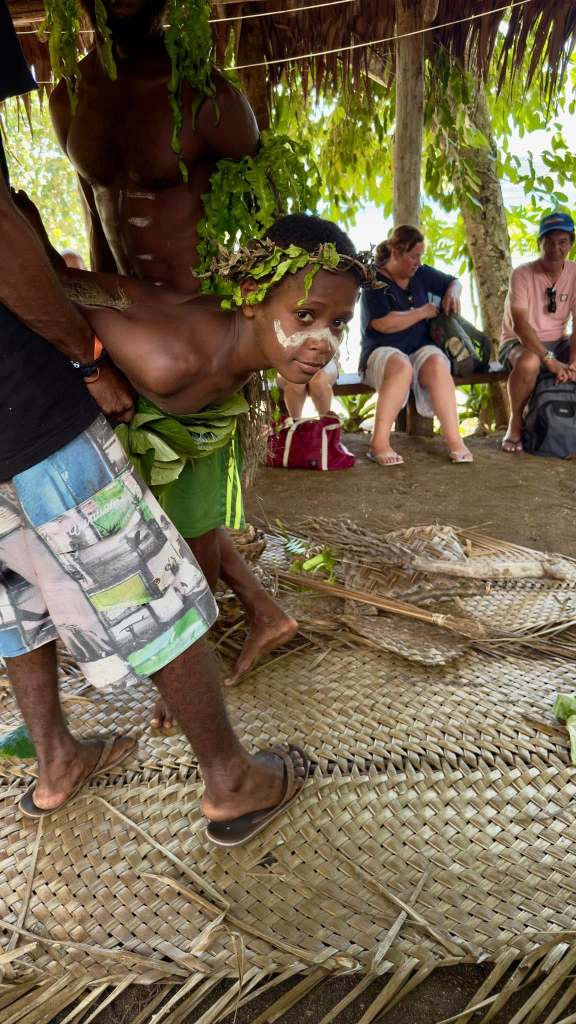
Our excursion started at 7:15 am and was a Keamu cultural village immersion. Keamu is the name of the village that is near the beach on the main island. The residents of this village have created a business during the cruise ship season. They create a realistic portrait of life on the island some 25 to 100 years ago that would have included no running water and no electricity. But today they have running water from springs in the hills above. There are solar street lights. And I can assume they have a way to charge their phones some were carrying. But they did a great job of display the traditional means of gathering and using the plants. Two ladies sat weaving from palm trees leaves. They were very adept.
I kinda wish my mother was still with us. She would have been shocked to learn that she did not come up with the idea that a fly swatter had two purposes. Here they bundle the fiber of a palm leaf and they use it for swatting flies and misbehaving children.
We were told of the mats that were woven and used as bedding. They might cushion the sleeper a bit. I was reminded of the camping equipment we used to rent from the Utah State outdoor center. A camping mat came with a sleeping bag. The mat was very thin and you could do a great reenactment of the princess and the pea while trying to sleep on one of those mats.
This afternoon I did a second excursion to the main island a bit further north up the coast.
This one was called fire walking and Kastom Magic tour. The first stop was educational. We learned about the day of yore when Europeans began to arrive. At that point in time the people who lived here did practice cannibalism. They assured us they that was no longer practiced. We were shown how they shelled a coconut back in the day when they were effectively in the Stone Age. No metal tools at all. A sharp stick held up right by a boy was used to smash through the tough husks of the coconut.
He then pointed to the tree I was standing under and said that coconut tree belongs to his grandmother. That coconut tree produces coconuts that are very sweet. I looked up and saw the tree was full of coconuts. I immediately recalled that each year worldwide there are ~ 10 deaths attributable to shark attacks compared with ~ 150 deaths worldwide caused by falling coconuts. I immediately moved locations. I was not going to push my luck.
We were shown how with a stick you can get the coconut out of the shell all ground up and ready to eat.
Next in our education was the fire walking demonstration. This was said to have been a rite of passage for the boys. Girls did not participate.
A bed of rocks had a bundle of sticks and leaves set on top and put a blaze. It took 10 or so minutes to burn down. Then a fellow used a fly/kid swatter to make sure that none of the embers were left on top of the stones. Then this fire walker gentleman emerged from a hut and walked across the hot rocks, then he repeated the walk two more times. Then we were asked to examine the soles of his feet for blisters. None were found but he did have a very even coating of what we were to think was soot. Then they threw some water on one side of the rock bed and it sizzled.
Now I am not a physicist but I do play one in my dreams. I also do not want to make fun of anyone who might think this was showing great courage and the power of the mind to control the body. But nevertheless let me point out several things.
A. Heat rises and a fire built on top of rocks would soak up relatively little of the heat in the short time the fire burned.
B. The gentleman who walked the rocks was out with us but he went inside of a hut and emerged when it was time to stroll across the stones. When he showed us the soles of his feet I suspect that he had painted something on the bottom of his feet that made us think that he had soot from the rocks but which in fact protected his feet a little bit.
What of the sizzling water that was thrown on the rocks to show how hot they were? Well you may recall them sweeping of the embers and remaining half burnt but still glowing sticks all to the far side of the rocks or certainly off the tops of the flat stones. When the water was thrown it was not on the rocks where he walked but on the still burning twigs on the sides or between the stones Thus it created the image of very hot rocks but one the other guests was seen right after all of this putting his hands on the rocks with no difficulty.
Ok I feel better after explaining the mysticism of this.
But I did prove an old saying that we used to say. We were invited to move if the smoke from the burning twigs began to bother us. I moved three times to three different sides of the fire and each time the smoke came right towards me. Thus adding scientific evidence to the old saying “smoke follows beauty or handsomeness.” Obviously it is true.
It was a good day in the country of Vanuatu. The people are very hospitable.

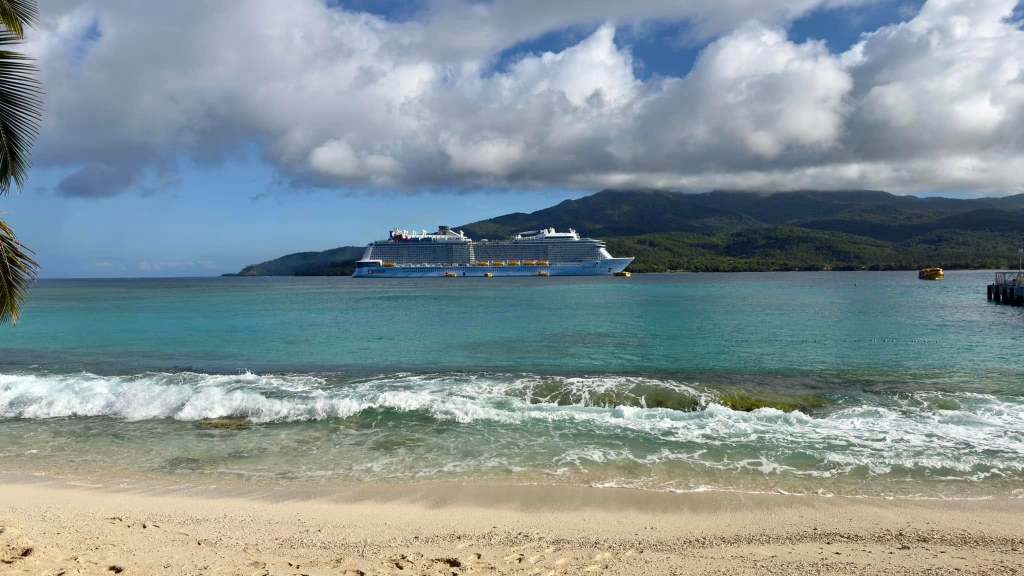


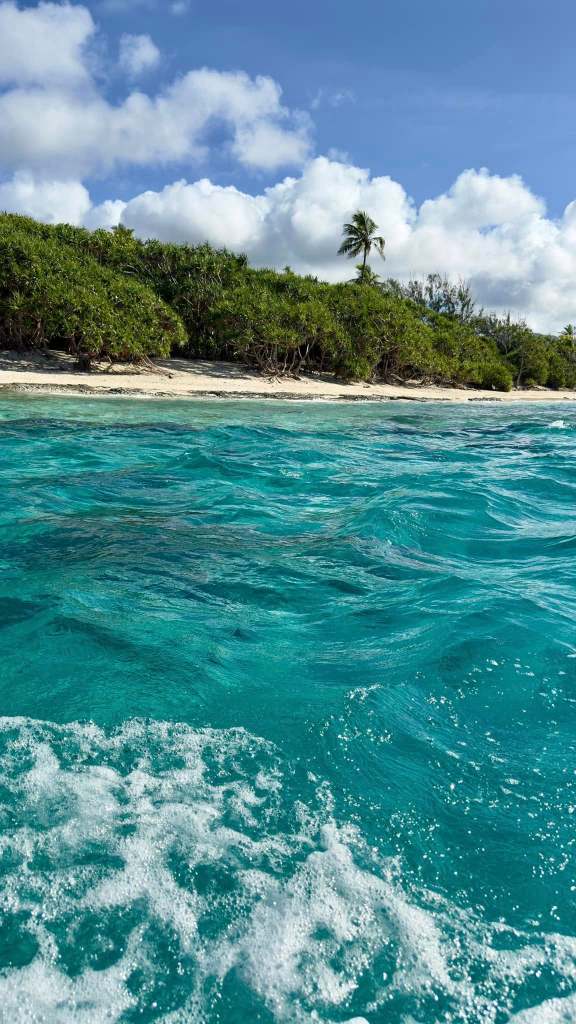

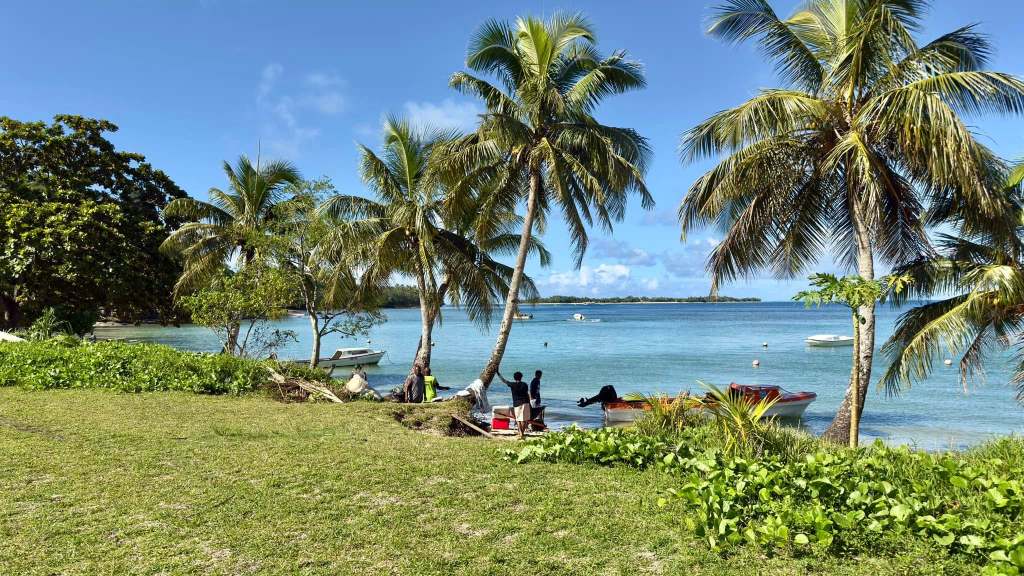
Evidently the dog fight was scheduled for another day. Today was the dog romp on the beach day.
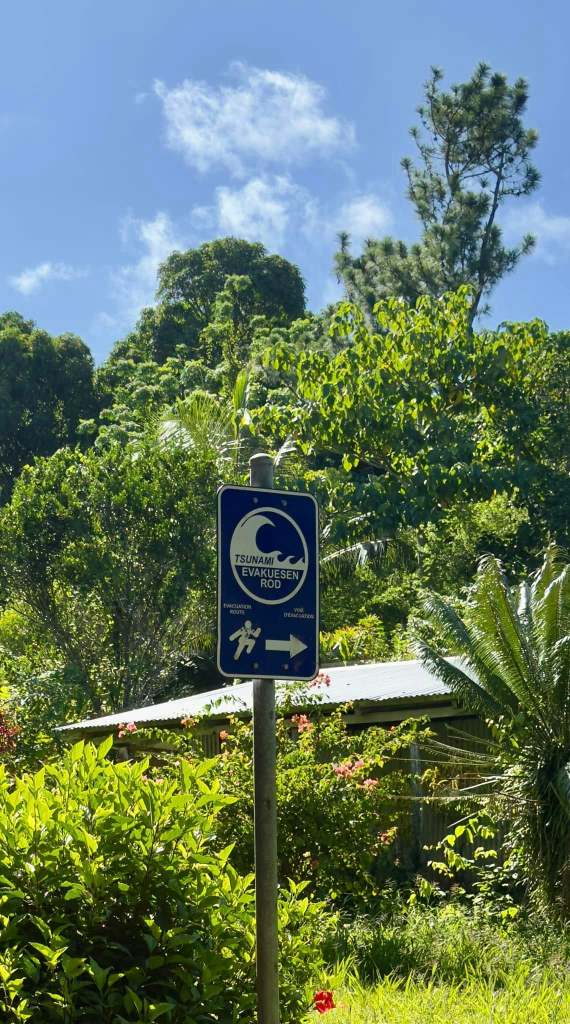
That warning sign puts a bummer on the whole tropical paradise thing. We were told today that the islands of Vanuatu have 4 underwater volcanoes and 8 or so run of the mill volcanoes. Punctuated by some 500 earthquakes each year.
I knew I should have taken that underwater basket weaving class when I had the chance.
I started this video just after she said that baby chicks on the island are particularly vulnerable to being eaten by cats and dogs. So you build one of these and put the chicks inside till morning.



The waves breaking out towards the horizon are: “The Great Barrier Reef is the world’s largest coral reef system, composed of over 2,900 individual reefs and 900 islands stretching for over 2,300 kilometres (1,400 mi) over an area of approximately 344,400 square kilometres (133,000 sq mi). The reef is located in the Coral Sea, off the coast of Queensland, Australia, separated from the coast by a channel 160 kilometres (100 mi) wide in places and over 61 metres (200 ft) deep.[6] The Great Barrier Reef can be seen from outer space and is the world’s biggest single structure made by living organisms.”

 Traveling with Ray Owens
Leave a comment