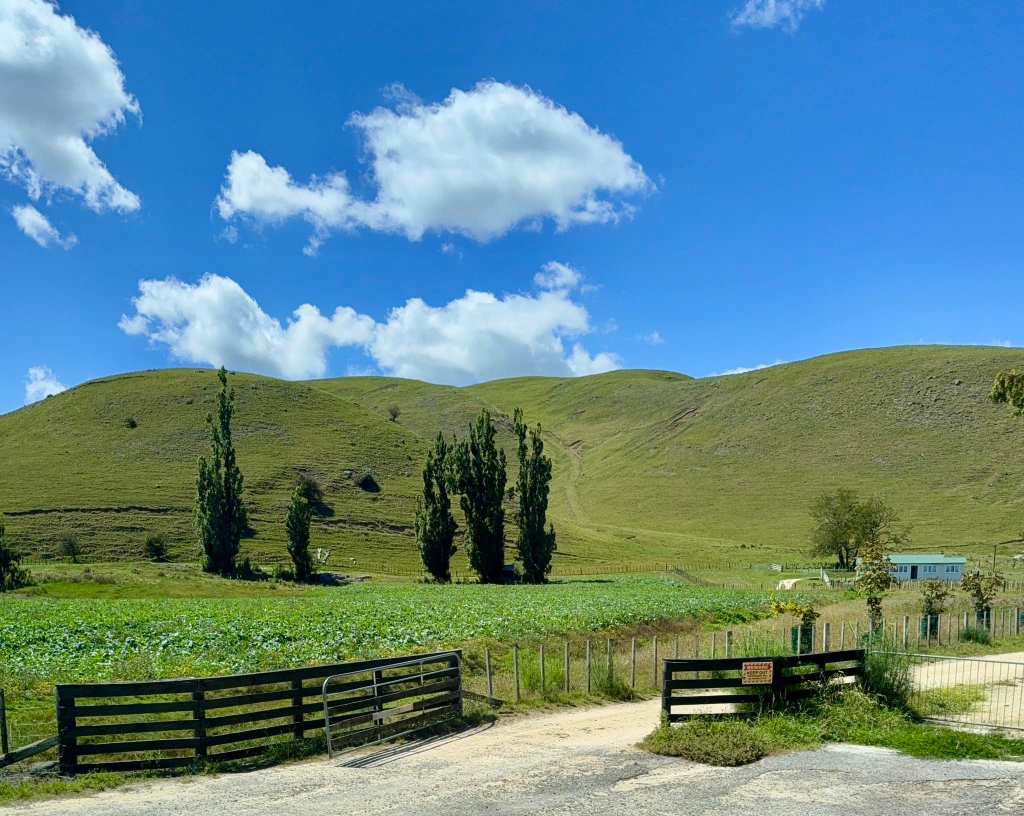
Today’s excursion for Frank, Jeanette and me is a trip to a goat dairy and sheep station. Penny said she had seen the sheep dogs work and she opted to ride a train in the city. Frank and I thought we are sheep shearing experts, since we have seen one done a couple of days ago. So we plan to be judges and hold up numbered signs to rate the job.
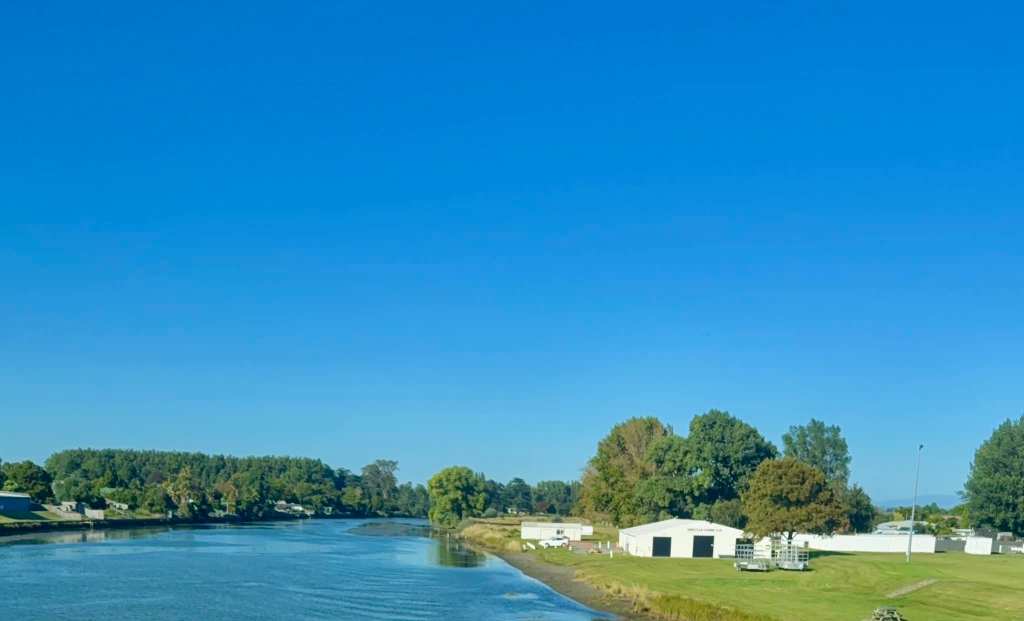
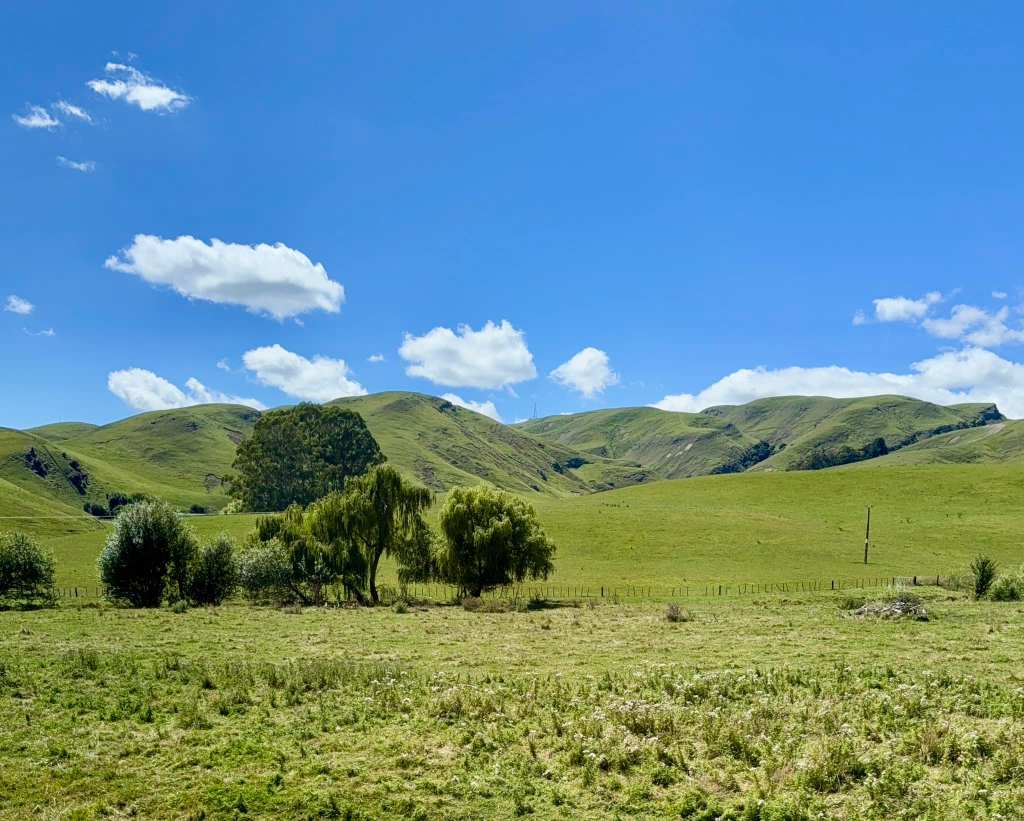
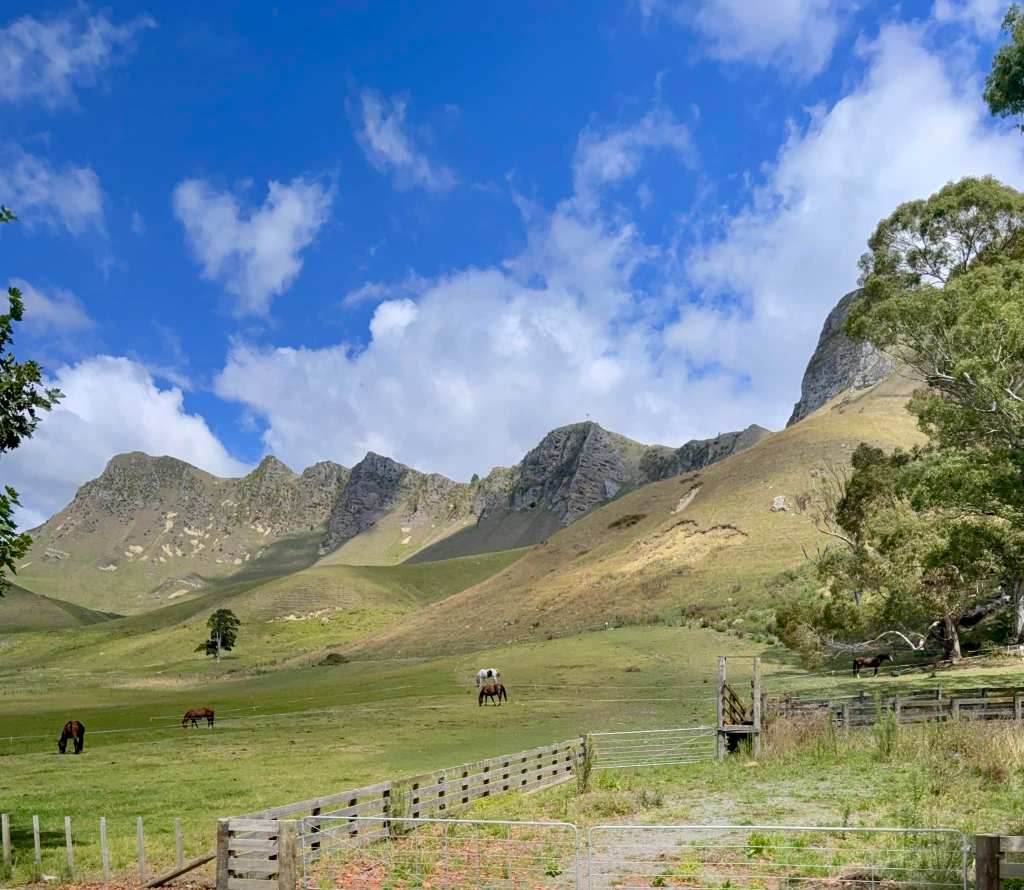
We had a lovely day. It has been very nice and educational to see different areas of New Zealand. Napier and the surrounding area are much flatter than the mountains we have been seeing. The area is highly involved in agriculture. They grow a variety of things from maize (AKA, corn) to all kinds of fruit, to grapes for wine, to sheep, goats cows and chickens. They grow so much that they export over 90% of what they produce.
Our guide was a young man who wanted to start a business providing agricultural tourism. He met his wife whose family owned a bus company. So it was a match made in heaven.
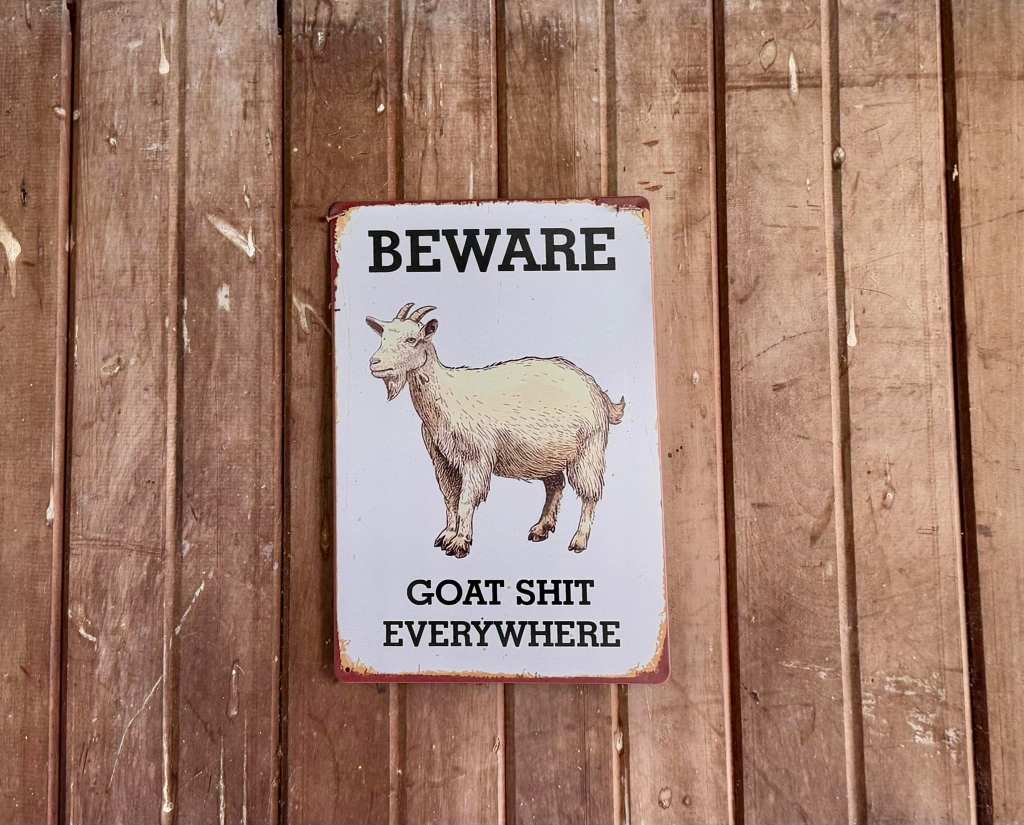
The guide went to school with members of the family who owned a farm. The husband and wife are in their 30s. The wife had a degree in business. They started a goat dairy farm back several years before Covid struck. They were doing well until Covid shut down much of their business which was exporting goat powdered milk. China managed to get a much larger share of the goat milk market. They never recovered. Being good business people they shifted to fattening cattle.l, letting beef people run their herds on their land.
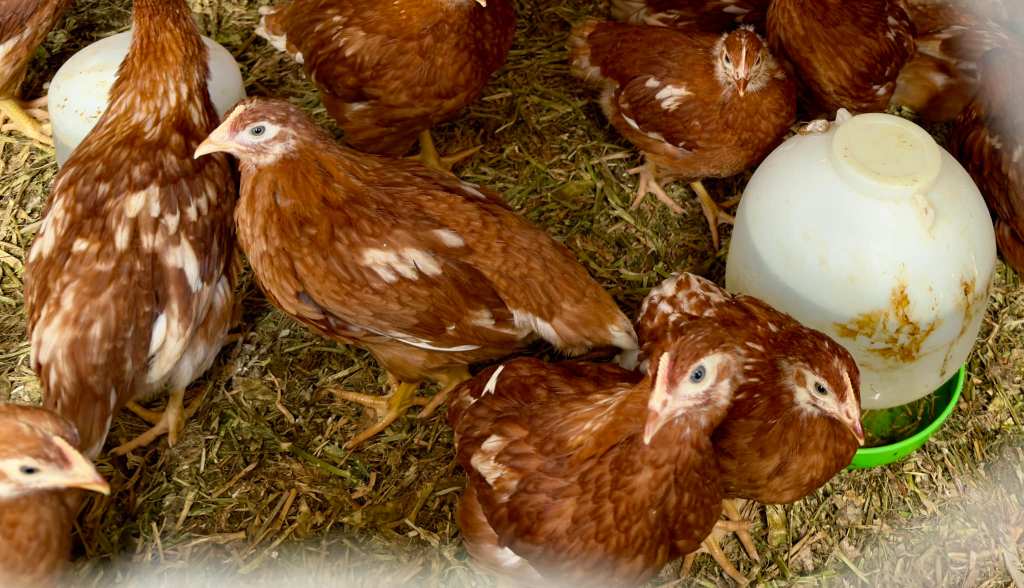
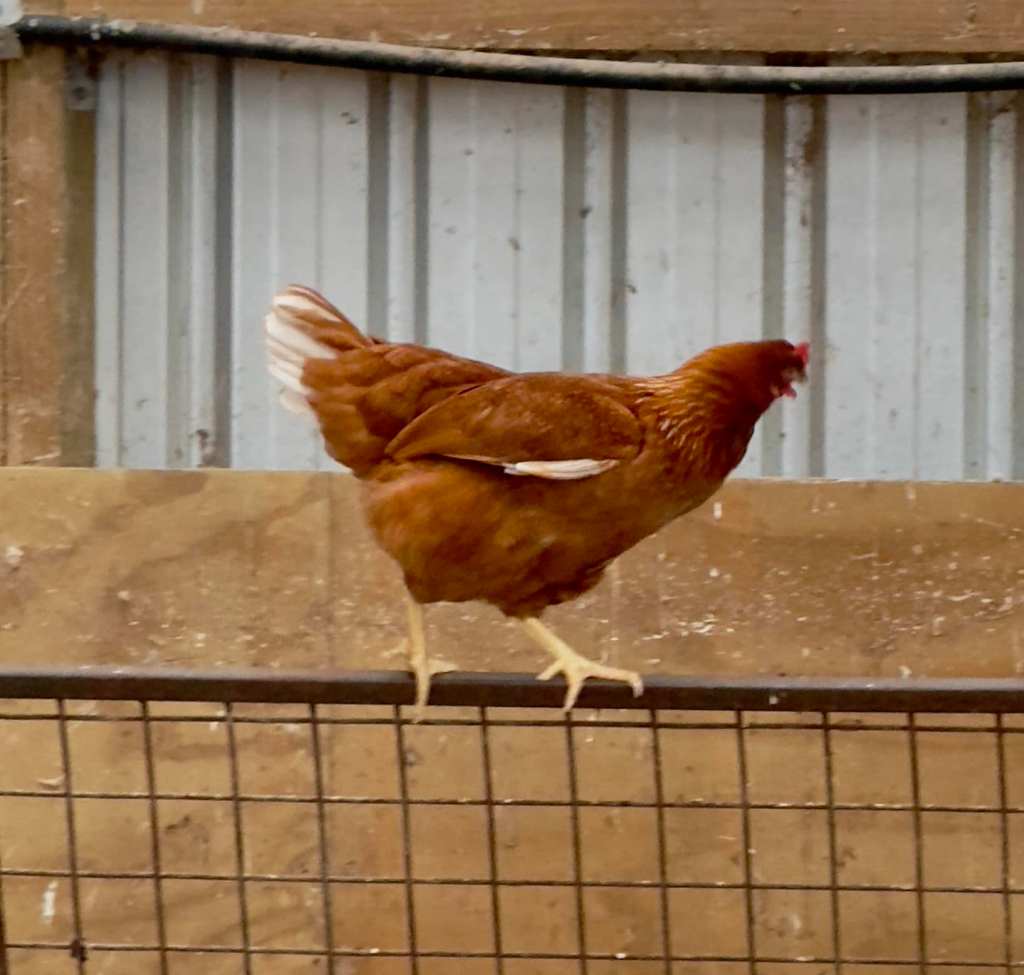
Then when one of their sons wanted to do motor cross they took the opportunity to let him learn about farm life. And they decided to let the son start a chicken business. After googling how to raise chickens and harvest eggs, they had a business that made the son some money.
They also have sheep on the farm. But that business of selling wool is one that is also in decline. This is largely due to the rise in synthetic materials for clothing.
The latest business is the tourism business, giving cruise ship passengers an opportunity to visit a working New Zealand farm. It was a great time.
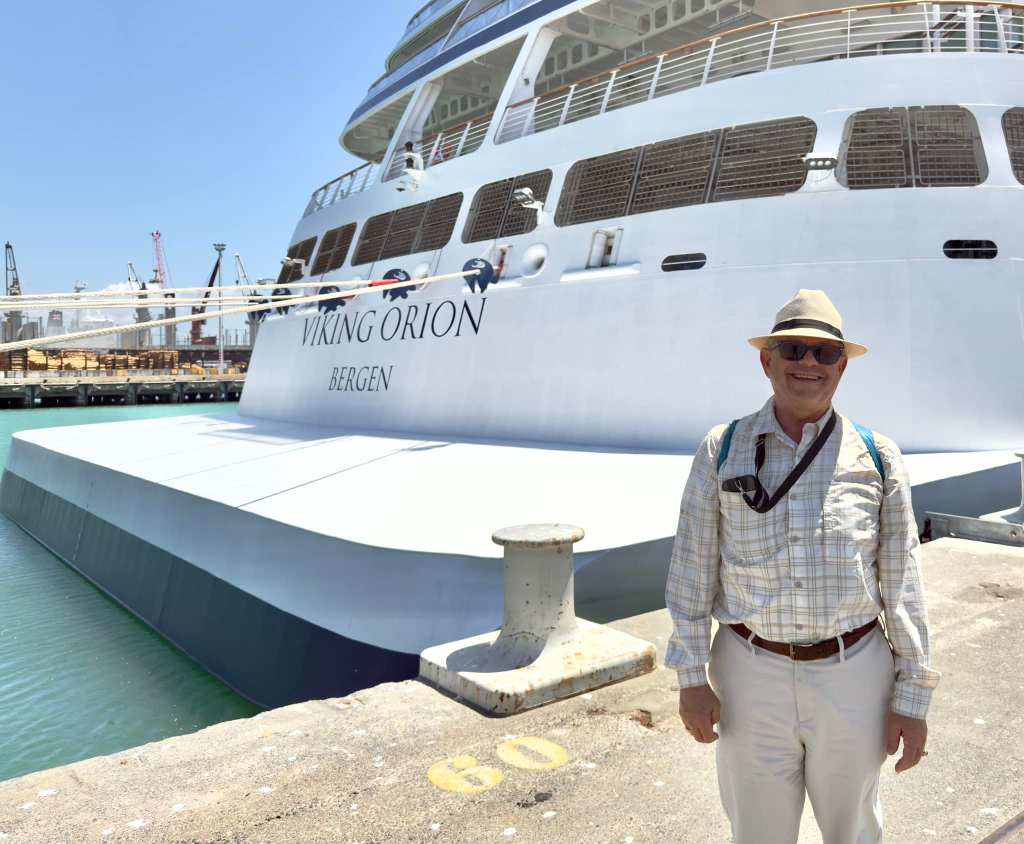
On our way back to the ship our guide stopped and bought us apples at a local orchard. It is apple picking time and these were delicious apples.
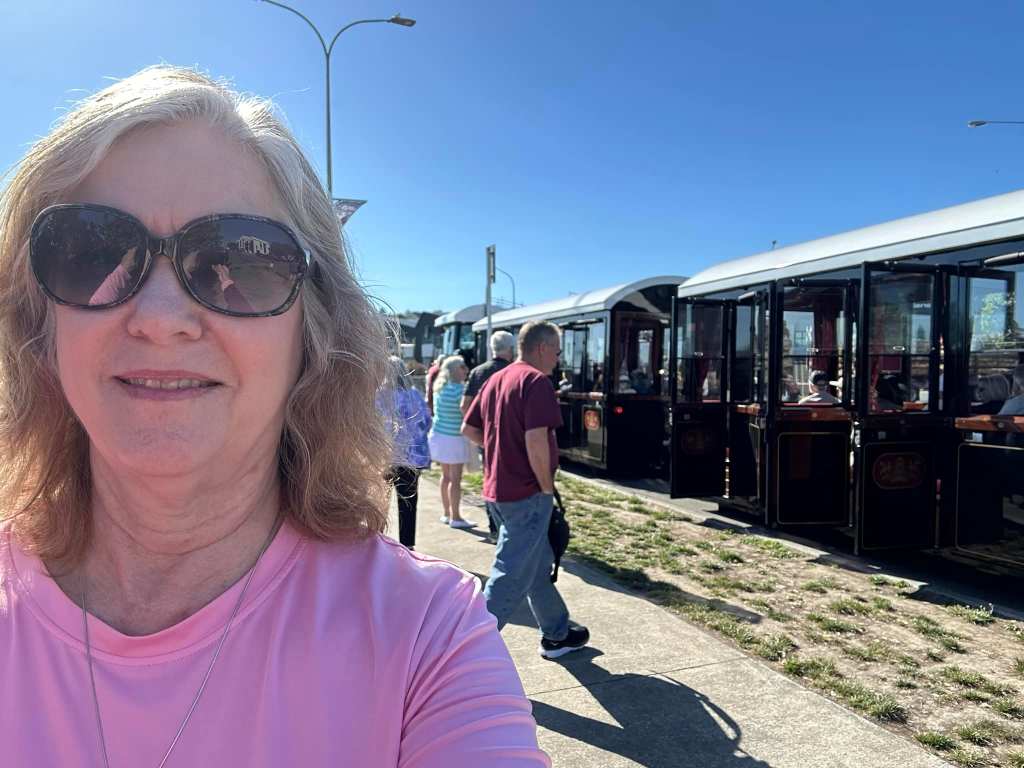
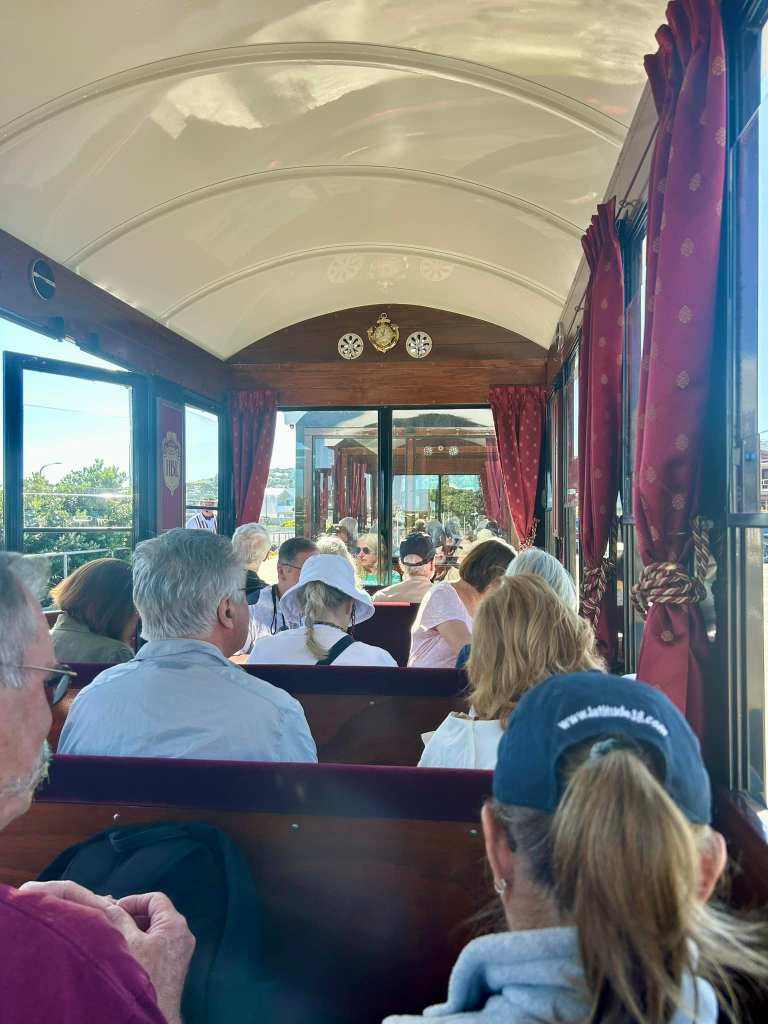
Penny took a train of sorts it was pulled on the streets and there were tires of rubber and no tracks. The driver built the train from scratch with his dad. He described the changes to the town of Napier since their last big earthquake in 1931. It lasted 2 1/2 minutes and when it was over, the land had shifted so much that the town had 67,000 more acres of land than before the quake as it pushed land up through the lagoon. He then described how they worked out how to turn the new marshy salty soil into good solid usable land over the next couple years. It was a very enjoyable and informative train ride through their cute little town.








 Traveling with Ray Owens
Leave a comment